


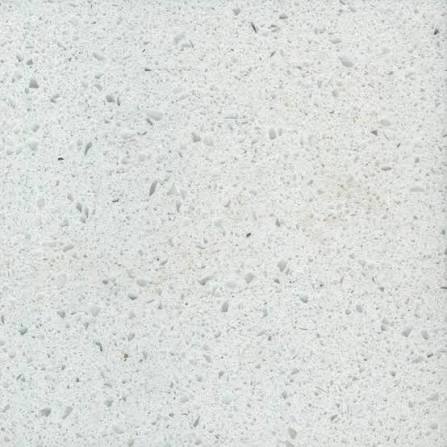
Engineered quartz has become one of the most popular surface materials for modern kitchens, bathrooms, commercial interiors, and hospitality projects. Its consistent appearance, wide range of colours, and low maintenance requirements make it an attractive choice for homeowners and designers.
However, many buyers ask an important question before choosing it: what is engineered quartz?
Recommended Stone Solutions

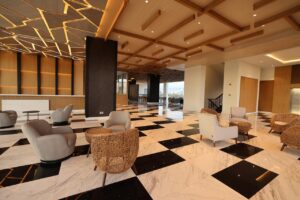
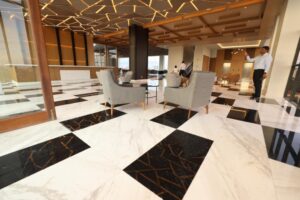
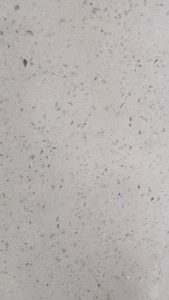
Engineered quartz is a manufactured surface made by combining crushed natural quartz minerals with resins, pigments, and other materials under controlled factory conditions. Unlike natural marble or granite, which are quarried directly from the earth, engineered quartz is produced to achieve greater consistency in colour, pattern, and performance.
Understanding what is engineered quartz helps buyers make informed decisions because the material has both impressive advantages and important limitations. While engineered quartz offers excellent durability, stain resistance, and design flexibility, it is not completely maintenance-free and does have restrictions, especially regarding extreme heat and outdoor exposure.
At Maruti Mining Limited, we help homeowners, architects, and developers compare engineered quartz with natural stone options to select the right surface based on their design requirements, lifestyle, and application.
Explore premium quartz solutions and architectural stone options from Maruti Mining Limited at marutimining.
What Is Engineered Quartz Made From?
Engineered quartz is a composite surface made mainly from crushed quartz crystals combined with resin binders and pigments.
Unlike natural stone slabs that are cut directly from quarried blocks, engineered quartz is manufactured through an industrial process.
The typical composition includes:
- Natural quartz particles
- Polymer resin binders
- Colour pigments
- Performance additives
Quartz itself is one of the hardest naturally occurring minerals, which contributes to the strength of the finished surface.
The resin component binds the quartz particles together and creates a non-porous surface structure.
This combination gives engineered quartz its unique balance of:
- Hardness
- Consistency
- Low porosity
- Design flexibility
How Is Engineered Quartz Manufactured?
Understanding what is engineered quartz also requires understanding how it is produced.
The manufacturing process generally involves several stages:
1. Quartz Selection and Processing
Natural quartz is extracted, crushed, and processed into different particle sizes.
The particle size affects:
- Texture
- Appearance
- Strength
- Final design pattern
2. Mixing With Resin and Pigments
The quartz particles are combined with resin binders and colour pigments.
This allows manufacturers to create a wide variety of designs, including:
- Marble-inspired patterns
- Solid colours
- Concrete effects
- Natural stone appearances
3. Compression and Forming
The mixture is placed into moulds and compacted under high pressure.
This removes air spaces and creates a dense slab.
4. Curing Process
The slabs are cured under controlled conditions to strengthen the resin structure.
5. Finishing
The surface is polished, textured, or finished according to the desired appearance.
The result is a consistent engineered surface suitable for residential and commercial applications.
Is Engineered Quartz Real Quartz?
Yes, engineered quartz contains real quartz minerals.
However, it is important to understand the difference between:
Natural quartz crystal
and
Engineered quartz surfaces
Natural quartz crystals are geological formations created over thousands of years.
Engineered quartz uses processed quartz particles combined with resin to create a usable slab material.
Therefore, engineered quartz is not the same as a natural quartz stone slab, but it does contain a significant amount of natural quartz material.
What Are the Main Strengths of Engineered Quartz?
Engineered quartz is popular because it combines durability, low maintenance, and design consistency.
Some of its major advantages include:
High Durability
Quartz particles provide excellent hardness, making engineered quartz resistant to:
- Everyday scratches
- General wear
- Surface damage
This makes it suitable for:
- Kitchen countertops
- Bathroom vanities
- Reception desks
- Commercial surfaces
Non-Porous Surface
One of the biggest advantages of engineered quartz is its low porosity.
Because the resin binds the material tightly, it does not absorb liquids easily.
Benefits include:
- Improved stain resistance
- Easier cleaning
- Reduced maintenance
This makes engineered quartz particularly popular for kitchen applications.
Consistent Appearance
Natural stones such as marble and granite contain natural variation.
Engineered quartz provides greater control over:
- Colour
- Pattern
- Texture
This makes it easier for designers to achieve a consistent appearance across large projects.
Wide Design Selection
Manufacturers can create many styles of engineered quartz.
Options include:
- White marble-look quartz
- Grey stone designs
- Dark luxury finishes
- Minimal modern surfaces
- Decorative patterns
This flexibility allows quartz to fit many interior styles.
Is Engineered Quartz Stronger Than Marble?
The answer depends on what type of strength is being considered.
Engineered quartz generally performs well against:
- Scratching
- Daily wear
- Staining
Marble, however, offers:
- Natural beauty
- Unique veining
- Heat resistance advantages
Marble and engineered quartz have different characteristics.
The better choice depends on:
- Location
- Usage
- Maintenance expectations
- Desired appearance
What Are the Limits of Engineered Quartz?
Engineered quartz is durable, but it is not indestructible.
Understanding its limitations is just as important as understanding its benefits.
Heat Sensitivity
One of the most important limitations of engineered quartz is heat resistance.
Because engineered quartz contains resin, extreme temperatures can affect the surface.
Potential risks include:
- Thermal shock
- Resin damage
- Discolouration
For this reason, hot pots, pans, and appliances should not be placed directly on quartz surfaces.
Use protective trivets or heat-resistant pads.
Outdoor Limitations
Engineered quartz is generally designed for indoor applications.
Long-term exposure to:
- Direct sunlight
- UV rays
- Weather changes
may affect the resin and colour stability.
Outdoor areas are usually better suited to materials specifically designed for exterior conditions.
Can Engineered Quartz Scratch?
Engineered quartz is highly scratch-resistant, but it is not completely scratch-proof.
Damage may occur from:
- Heavy impact
- Sharp objects
- Improper use
Using cutting boards and avoiding unnecessary surface abuse helps maintain the finish.
For expert guidance on selecting quartz surfaces, visit the Maruti Mining Knowledge Base at knowledge-base.
Engineered Quartz vs Natural Stone: Understanding the Difference
A common question after learning what is engineered quartz is how it compares with natural stones such as marble and granite.
The main difference is how the materials are created.
Natural stone is formed by geological processes over thousands or millions of years, while engineered quartz is manufactured using natural quartz particles combined with resins and pigments.
This difference affects:
- Appearance
- Maintenance
- Performance
- Applications
- Long-term care
Engineered Quartz
Advantages:
- Consistent patterns
- Low porosity
- Easy maintenance
- Wide colour selection
- Strong resistance to staining
Limitations:
- Heat sensitivity
- Limited outdoor suitability
- Less natural variation
Marble
Advantages:
- Unique natural veining
- Luxury appearance
- Timeless character
- High heat resistance
Limitations:
- Requires more maintenance
- Can etch from acids
- More porous than quartz
Granite
Advantages:
- Excellent durability
- Good heat resistance
- Natural beauty
- Suitable for many applications
Limitations:
- Requires sealing
- Natural variation may affect matching
The correct material depends on your priorities. Some projects require the consistency of engineered quartz, while others demand the unique character of natural stone.
Is Engineered Quartz Good for Kitchen Countertops?
Engineered quartz is one of the most popular choices for kitchen countertops because it offers durability, stain resistance, and easy maintenance.
Modern kitchens require surfaces that can handle:
- Food preparation
- Daily cleaning
- Spills
- Heavy use
Engineered quartz performs well because its non-porous structure makes it resistant to many common kitchen stains.
Benefits for kitchens include:
- Easy cleaning
- Hygienic surface
- Consistent appearance
- Wide design options
However, homeowners should still use heat protection because direct contact with very hot cookware may damage the resin component.
Is Engineered Quartz Hygienic?
Yes.
A major reason homeowners choose engineered quartz is its low absorption rate.
Because liquids do not easily penetrate the surface, it reduces areas where:
- Dirt
- Bacteria
- Food residue
can accumulate.
This makes engineered quartz suitable for:
- Kitchens
- Bathrooms
- Hospitality spaces
- Healthcare environments
However, hygiene still depends on regular cleaning practices.
No countertop material replaces proper sanitation.
How Strong Is Engineered Quartz?
When discussing what is engineered quartz, strength is one of the most important considerations.
Engineered quartz has excellent everyday durability because of its high quartz content.
It performs well against:
- Scratches
- Surface wear
- General impact
However, strength depends on:
- Slab thickness
- Installation quality
- Edge design
- Support structure
Even strong materials can crack if installed incorrectly or exposed to excessive force.
What Thickness Options Are Available for Engineered Quartz?
Engineered quartz is commonly manufactured in different thicknesses depending on the application.
Common options include:
12mm Quartz
Often used for:
- Lightweight applications
- Wall features
- Decorative surfaces
20mm Quartz
Suitable for:
- Countertops
- Vanities
- Residential applications
30mm Quartz
Often selected for:
- Premium countertops
- Heavy-use areas
- Larger installations
The correct thickness depends on:
- Span length
- Support requirements
- Edge profile
- Application
A stone specialist can recommend the appropriate thickness for each project.
Does Engineered Quartz Need Sealing?
One of the biggest advantages of engineered quartz is that it usually does not require sealing.
Unlike many natural stones, engineered quartz has a non-porous surface created through the resin-binding process.
Benefits include:
- Reduced maintenance
- Easier cleaning
- Better stain resistance
However, homeowners should still follow manufacturer care recommendations to protect the surface.
How Do You Maintain Engineered Quartz?
Maintaining engineered quartz is relatively simple.
Recommended practices include:
- Clean spills promptly
- Use mild soap and water
- Avoid abrasive cleaners
- Use cutting boards
- Use heat protection
- Avoid harsh chemicals
Avoid:
- Strong solvents
- Bleach-based cleaners
- Abrasive powders
- Excessive heat exposure
Regular gentle care keeps quartz looking new for many years.
Common Misconceptions About Engineered Quartz
Many buyers misunderstand engineered quartz because it combines natural minerals with manufactured components.
“Engineered Quartz Is Fake”
This is incorrect.
Engineered quartz contains real natural quartz minerals.
The difference is that the material is processed and combined with resin to create a slab.
“Engineered Quartz Cannot Be Damaged”
Although durable, engineered quartz can still be affected by:
- Extreme heat
- Heavy impact
- Incorrect cleaning
Proper use remains important.
“All Quartz Surfaces Are the Same”
Quality varies depending on:
- Manufacturer
- Quartz content
- Production methods
- Finish quality
Choosing a reputable supplier is important.
Where Should Engineered Quartz Be Used?
Engineered quartz is suitable for many interior applications.
Common uses include:
Kitchen Countertops
A popular choice because of:
- Low maintenance
- Stain resistance
- Modern appearance
Bathroom Vanities
Suitable because of:
- Moisture resistance
- Easy cleaning
- Design flexibility
Reception Desks
Commercial spaces benefit from:
- Consistent appearance
- Durability
- Professional finish
Wall Features
Quartz can create:
- Luxury backgrounds
- Decorative panels
- Modern interiors
However, the suitability depends on the environment and installation requirements.
Why Choose Professional Quartz Fabrication?
Even high-quality engineered quartz requires expert fabrication.
Professional fabrication ensures:
- Accurate measurements
- Proper cutouts
- Strong joints
- Correct edge finishing
- Safe installation
Poor fabrication can damage the slab or reduce its lifespan.
Important areas include:
- Sink openings
- Hob cutouts
- Corners
- Seams
- Unsupported sections
Working with experienced stone professionals helps ensure the final installation performs correctly.
Clients can also explore engineered quartz solutions at quartz-stone, view premium marble collections at marble-manufacturer-kenya, discover granite options at top-granite-manufacturer-kenya-maruti-mining, or browse completed stone projects at our-works.
How to Choose the Right Engineered Quartz for Your Project
Understanding what is engineered quartz helps you compare options, but selecting the right quartz surface requires looking beyond appearance alone.
The best choice depends on:
- Where the surface will be installed
- How frequently it will be used
- Desired design style
- Maintenance expectations
- Budget
- Installation requirements
Before choosing a slab, consider the following factors.
Consider the Colour and Pattern
Engineered quartz is available in a wide variety of designs.
Popular options include:
- Pure white finishes
- Marble-inspired patterns
- Concrete-style surfaces
- Dark luxury colours
- Subtle neutral tones
For modern minimalist interiors, clean white or grey quartz designs are popular.
For luxury interiors, marble-look quartz provides the appearance of natural stone with easier maintenance.
Consider the Application Area
Not every quartz design is suitable for every project.
A kitchen countertop may require:
- Greater thickness
- Strong edge finishing
- High durability
A decorative wall application may prioritise:
- Appearance
- Pattern movement
- Visual impact
Choosing the correct quartz for the intended purpose improves long-term performance.
Consider Lighting Conditions
The appearance of quartz can change depending on lighting.
Before finalising a selection, view samples under:
- Natural daylight
- Indoor lighting
- Warm lighting
- Cool lighting
A colour that looks perfect in a showroom may appear different in your actual space.
Can Engineered Quartz Increase Property Value?
A professionally installed quartz surface can add value by improving:
- Kitchen appearance
- Interior quality
- Functionality
- Modern appeal
Buyers often appreciate surfaces that provide:
- Easy maintenance
- Clean appearance
- Long-term durability
However, property value depends on the overall quality of the project, not only one material choice.
Good design, professional installation, and quality workmanship all contribute to the final result.
What Should You Ask Before Buying Engineered Quartz?
Before purchasing, ask your supplier:
- What is the quartz composition?
- Where was the material manufactured?
- What thickness options are available?
- Is it suitable for my application?
- What maintenance does it require?
- How should it be cleaned?
- Are fabrication and installation included?
- Can I view the actual slab?
A reliable supplier should provide clear information before installation begins.
Why Professional Installation Matters for Engineered Quartz
Even though engineered quartz is a durable material, installation quality has a major effect on performance.
Professional installation ensures:
- Accurate measurements
- Correct cabinet preparation
- Proper support
- Clean seams
- Safe cutouts
- Proper handling
Common installation mistakes include:
- Poor cabinet levelling
- Unsupported overhangs
- Incorrect sink cutouts
- Weak joints
- Rough handling during transport
A quality slab requires quality workmanship.
How Maruti Mining Limited Helps With Engineered Quartz Solutions
Choosing the right surface requires expert advice, not just selecting a colour from a catalogue.
At Maruti Mining Limited, we help clients understand what is engineered quartz and whether it is the right choice for their specific project.
Our team supports customers with:
- Quartz selection guidance
- Premium slab sourcing
- Application recommendations
- Fabrication support
- Installation advice
- Natural stone comparisons
We work with:
- Homeowners
- Architects
- Interior designers
- Contractors
- Developers
- Commercial property owners
Whether you are creating a modern kitchen, upgrading a bathroom, designing a hotel interior, or completing a commercial project, our specialists help you choose a surface that balances beauty, performance, and value.
Clients can also explore engineered quartz collections at quartz-stone, view marble solutions at marble-manufacturer-kenya, discover granite options at top-granite-manufacturer-kenya-maruti-mining, see completed stone installations at our-works, or contact our stone experts at contact-us.
Frequently Asked Questions About Engineered Quartz
What is engineered quartz made of?
Engineered quartz is made from crushed natural quartz minerals combined with resin binders, pigments, and other additives. The manufacturing process creates a dense, durable surface with consistent colour and pattern options.
Is engineered quartz better than marble?
Neither material is universally better. Engineered quartz offers low maintenance, stain resistance, and consistent designs, while marble provides unique natural beauty and timeless character.
The best choice depends on the application, maintenance preferences, and desired appearance.
Can engineered quartz be used outdoors?
Engineered quartz is generally recommended for indoor applications because prolonged UV exposure can affect the resin component and colour stability.
Outdoor projects usually require materials specifically designed for exterior conditions.
Does engineered quartz scratch easily?
Engineered quartz is highly scratch-resistant but not completely scratch-proof. Sharp objects, heavy impacts, and improper use can damage the surface.
Using cutting boards and proper care helps maintain its appearance.
Does engineered quartz need sealing?
No. One of the main advantages of engineered quartz is that it is non-porous and typically does not require sealing.
Regular cleaning with suitable products is usually sufficient to maintain the surface.
Conclusion
Understanding what is engineered quartz helps homeowners, designers, and contractors make better decisions when selecting countertop and interior surface materials.
Engineered quartz combines natural quartz minerals with resin technology to create a durable, attractive, and low-maintenance surface. Its strengths include excellent stain resistance, design consistency, and everyday durability, making it a popular choice for kitchens, bathrooms, hospitality spaces, and commercial interiors.
However, engineered quartz also has limitations. It should be protected from extreme heat, harsh chemicals, and unsuitable outdoor exposure. Like any premium surface material, it performs best when correctly selected, professionally fabricated, and properly maintained.
Whether you choose engineered quartz, marble, granite, or another natural stone option, the right material is the one that matches your lifestyle, design goals, and project requirements.
Bring Your Vision to Life in Stone
Maruti Mining Limited provides premium stone solutions for residential, commercial, and architectural projects across East Africa.
PREMIUM MARBLE, QUARTZ & NATURAL STONE SOLUTIONS
✔ Engineered Quartz Countertops & Surfaces
✔ Premium Marble & Granite Collections
✔ Expert Material Selection Guidance
✔ Professional Fabrication Support
✔ Custom Residential & Commercial Stone Solutions
✔ Serving Kenya, Uganda, Tanzania, Rwanda and the wider East African region
Request Your Consultation Today
Maruti Mining Limited
Email: [email protected]
Phone: +254 736 701 174 | +254 728 789 164 | +254 733 519 836
You May Also Like


Visit Us: Nairobi, Kenya
Website: https://marutimining.com/

Leave a Reply