


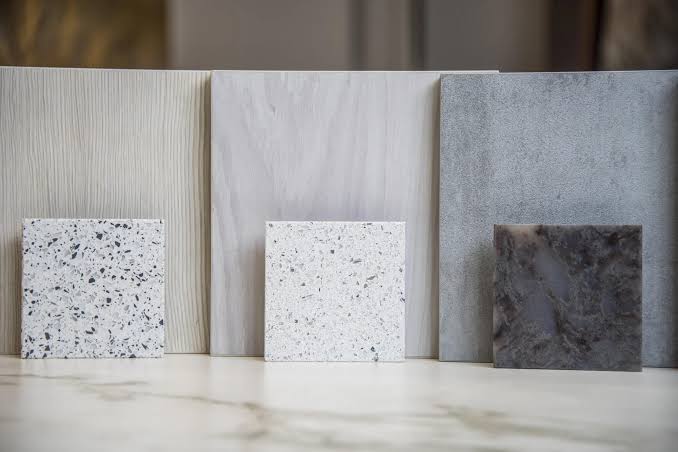
When planning a kitchen renovation or commercial interior project, one of the first questions buyers ask is: what determines quartz cost? Many people expect all engineered quartz slabs to have similar pricing because they are made from the same basic material. However, significant price differences exist between slabs, and these differences are influenced by factors such as design complexity, thickness, manufacturing quality, slab dimensions, finish, and brand reputation.
Two quartz slabs may look similar from a distance but have very different production requirements. A simple solid-colour slab is generally easier to manufacture than a premium design that replicates the movement of natural marble with detailed veining and multiple pigment layers.
Recommended Stone Solutions


The final price is also affected by practical considerations such as fabrication, transportation, installation requirements, edge profiles, sink cut-outs, and project complexity. Understanding these factors helps homeowners avoid comparing quotes based only on the slab price and instead evaluate the complete value of their investment.
At Maruti Mining Limited, we help clients understand quartz pricing by explaining the technical differences between products and recommending surfaces that match their design goals, budget, and performance expectations.
Explore premium engineered quartz collections from Maruti Mining Limited at quartz-stone.
What Is Included in Quartz Cost?
Quartz cost includes more than the price of the raw slab. The final project cost usually combines the material, fabrication, installation, and additional design requirements.
A complete quartz countertop quotation may include:
- Quartz slab price
- Cutting and fabrication
- Edge finishing
- Sink and hob cut-outs
- Transportation
- Installation
- Supporting structures where required
- Splashbacks or additional pieces
Understanding each component helps buyers compare quotations accurately.
1. Pattern Complexity and Design
Pattern complexity is one of the biggest factors affecting quartz cost because detailed designs require more advanced manufacturing processes.
Quartz slabs are available in many styles, including:
- Solid colours
- Fine speckled designs
- Concrete effects
- Marble-inspired patterns
- Bold veined surfaces
Simple designs generally require fewer pigments and production stages.
Premium marble-effect quartz often costs more because manufacturers must create:
- Realistic veining
- Layered colour variation
- Natural stone appearance
- More complex finishing
These designs require advanced technology and careful quality control.
2. Slab Thickness
Thickness directly influences the amount of material used during production.
Common quartz thickness options include:
- 12mm
- 20mm
- 30mm
Thicker slabs typically have:
- More raw material
- Higher transportation weight
- Greater fabrication requirements
A thicker countertop may also provide a more substantial visual appearance, especially for kitchen islands and waterfall edges.
3. Slab Size
The dimensions of the quartz slab affect both material cost and installation efficiency.
Large-format slabs can be more expensive because they:
- Require more manufacturing resources
- Need specialised transportation
- May require larger handling equipment
However, larger slabs can reduce the number of joints required on large countertops.
4. Quartz Quality and Manufacturing Standards
Not all engineered quartz is manufactured to the same standards.
Higher-quality products often feature:
- Better raw materials
- Consistent quartz distribution
- Premium resin systems
- Improved colour stability
- Stronger quality control
Lower-cost slabs may achieve a similar appearance but vary more in long-term performance.
5. Brand Reputation
Established quartz manufacturers often charge more because of:
- Research and development investment
- Manufacturing expertise
- Product testing
- Warranty support
- Consistent production standards
While branding is not the only factor determining quality, recognised manufacturers often provide greater confidence regarding durability and consistency.
6. Surface Finish
The finish applied to quartz also influences pricing.
Common finishes include:
Polished Quartz
Benefits:
- Smooth reflective surface
- Easy cleaning
- Popular kitchen appearance
Honed Quartz
Benefits:
- Matte contemporary look
- Reduced reflection
- Modern design appeal
Textured Finishes
Benefits:
- Unique appearance
- Natural stone feel
Special finishes may require additional manufacturing processes, increasing the overall quartz cost.
7. Fabrication Requirements
The countertop design itself affects the final price.
Complex fabrication requirements include:
- Large sink cut-outs
- Custom edge profiles
- Curved sections
- Waterfall edges
- Multiple seams
- Integrated splashbacks
A straightforward rectangular countertop is usually less expensive to fabricate than a highly customised design.
Why Cheap Quartz Quotes Can Be Misleading
The lowest quartz cost is not always the best value because important differences may exist in material quality, fabrication, and installation standards.
A cheaper quotation may exclude:
- Quality fabrication
- Proper support
- Professional installation
- Reliable warranty coverage
- Accurate templating
When comparing prices, always check what is included.
Common Myths About Quartz Pricing
Myth: All quartz slabs are basically the same.
Reality: Quartz products differ in composition, manufacturing quality, patterns, finishes, and durability.
Myth: The most expensive quartz is always the best.
Reality: The ideal choice depends on your project needs, design preferences, and budget.
Myth: Installation cost is the same for every countertop.
Reality: Fabrication complexity, access, cut-outs, and installation requirements can significantly affect the final price.
For more expert advice on selecting quartz surfaces, visit the Maruti Mining Knowledge Base at knowledge-base.
How Quartz Design Choices Affect the Final Price
When comparing quartz cost, design decisions often have as much impact on pricing as the material itself. A homeowner choosing between a simple white quartz surface and a premium marble-look design may be selecting two products with very different manufacturing requirements.
Understanding these differences helps buyers choose a countertop that fits both their style and budget.
Solid Colour Quartz vs Marble Effect Quartz
One of the biggest price differences appears between plain and highly detailed designs.
Solid Colour Quartz
Examples include:
- White quartz
- Grey quartz
- Black quartz
- Beige quartz
These designs usually have:
- Consistent colour
- Simple manufacturing processes
- Easier slab matching
They are often among the more affordable quartz options.
Marble Effect Quartz
Premium marble-inspired quartz attempts to reproduce natural stone movement.
These slabs may include:
- Large flowing veins
- Multiple colour layers
- Realistic mineral patterns
- High-definition finishes
Because creating natural-looking patterns requires more advanced technology, these designs often increase quartz cost.
Edge Profiles and Their Impact on Pricing
The edge design of a countertop affects both appearance and fabrication requirements.
Common edge options include:
Straight Edge
A simple square edge is usually the most economical option.
Eased Edge
A slightly softened corner provides a modern appearance while remaining cost-effective.
Bullnose Edge
A rounded edge requires additional shaping and polishing.
Custom Decorative Edges
More detailed profiles require:
- Extra fabrication time
- Specialist equipment
- Additional polishing
These custom options can increase the final countertop price.
Sink Cut-Outs and Hob Cut-Outs
Kitchen features also influence installation costs.
Additional fabrication may be required for:
- Undermount sinks
- Farmhouse sinks
- Integrated draining grooves
- Induction hob openings
- Gas hob cut-outs
Precision is essential because incorrect cutting can weaken the slab or create installation problems.
Professional fabrication ensures that the countertop remains strong and visually appealing.
Seam Placement and Material Efficiency
Large kitchens often require multiple quartz pieces joined together.
The number of seams depends on:
- Countertop layout
- Slab dimensions
- Kitchen design
- Access limitations
Good planning can reduce unnecessary waste and improve the final appearance.
Premium fabricators carefully position seams in less visible areas.
Installation Location and Access
The project location can also affect the final quartz cost.
Factors include:
- Distance from supplier
- Transport requirements
- Building access
- Staircases
- Lifts
- Installation complexity
A large slab installed in a high-rise apartment requires more planning than a straightforward ground-floor installation.
Why Professional Fabrication Matters
A premium quartz slab can lose its value if it is poorly fabricated or installed.
Professional workmanship ensures:
- Accurate measurements
- Clean cuts
- Strong joints
- Proper support
- Correct alignment
- Quality finishing
Fabrication is not simply cutting the slab—it requires technical skill and experience.
Comparing Quartz Cost With Other Countertop Materials
When evaluating countertop options, buyers often compare quartz with granite and marble.
Quartz vs Granite
Quartz offers:
- Low porosity
- Consistent patterns
- Minimal sealing requirements
Granite offers:
- Natural variation
- Excellent heat resistance
- Unique stone patterns
Quartz vs Marble
Quartz offers:
- Lower maintenance
- Better stain resistance
- Consistent appearance
Marble offers:
- Natural luxury
- Unique veining
- Timeless character
The best choice depends on lifestyle, design goals, and maintenance expectations.
How to Get an Accurate Quartz Quote
A reliable quotation requires more than choosing a colour.
Provide your supplier with:
- Kitchen drawings
- Countertop measurements
- Sink details
- Hob specifications
- Edge preference
- Splashback requirements
- Installation location
Accurate information helps avoid unexpected costs later.
Questions to Ask Before Approving a Quartz Quote
Before choosing a supplier, ask:
- Is the slab price included?
- Does the quote include fabrication?
- Are sink and hob cut-outs included?
- Is installation included?
- What thickness is being quoted?
- What warranty is provided?
- Who will handle measurements?
These questions make comparisons much clearer.
Choosing Value Instead of Just Price
The cheapest quartz option may not provide the best long-term value.
A better approach is to consider:
- Product quality
- Installation standards
- Warranty support
- Maintenance requirements
- Expected lifespan
A well-selected quartz countertop can serve a kitchen for many years, making quality an important part of the investment.
Clients can also explore engineered quartz collections at quartz-stone, compare premium granite options at top-granite-manufacturer-kenya-maruti-mining, view marble collections at marble-manufacturer-kenya, or browse completed stone installations at our-works.




Leave a Reply