


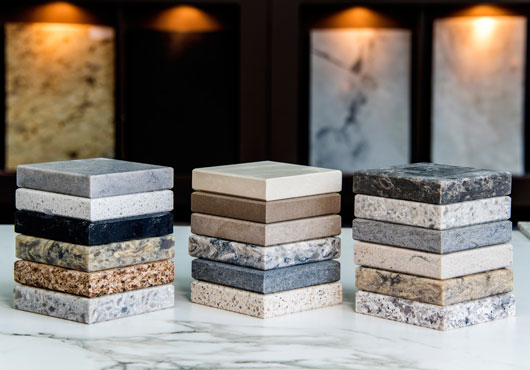
One of the first surprises many homeowners encounter when selecting natural stone is discovering that two slabs carrying the same commercial name can look noticeably different. A marble labelled Calacatta, a granite sold under a familiar trade name, or even quartzite from the same quarry may display variations in colour, crystal size, veining, or overall movement. Understanding stone colour consistency in Kenya helps buyers appreciate why these differences occur and why viewing complete slabs is far more reliable than relying on photographs or small samples.
Unlike manufactured materials produced to exact colour formulas, natural stone is created by geological processes that take place over millions of years. Variations in minerals, pressure, temperature, and crystal formation mean that every quarry block develops its own unique appearance. Even consecutive blocks extracted from the same quarry may differ slightly in shade, veining, and mineral distribution.
Recommended Stone Solutions


These natural variations are not imperfections—they are among the characteristics that make marble, granite, quartzite, travertine, and other natural stones so highly valued in architecture and interior design. Rather than producing identical surfaces, nature creates individual works of art. For this reason, professional architects and designers often encourage clients to select full slabs rather than approving projects from small hand samples.
When discussing stone colour consistency in Kenya, it is also important to distinguish between natural stone and engineered materials. Engineered quartz generally offers greater colour consistency because it is manufactured under controlled conditions, although even quartz collections can exhibit slight batch-to-batch differences depending on production runs and pigment formulations.
Understanding why colour variation occurs allows homeowners, architects, developers, and contractors to make informed decisions during material selection. It also highlights the importance of reserving all required slabs from the same production batch or quarry block whenever visual continuity is important.
At Maruti Mining Limited, we guide clients through the slab selection process by presenting complete slabs rather than relying solely on samples. This approach allows buyers to evaluate colour, veining, crystal movement, and overall appearance before fabrication begins, ensuring confidence in the finished project.
You can explore the complete collection of premium marble, granite, quartz, quartzite, and other architectural stone surfaces available through Maruti Mining Limited at marutimining and compare full slabs suitable for projects across Kenya and East Africa.
Why Natural Stone Is Never Completely Identical
The most important fact about stone colour consistency in Kenya is that natural stone is a product of geology rather than manufacturing.
Every slab is shaped by millions of years of natural mineral formation.
Factors influencing appearance include:
- Mineral composition
- Geological pressure
- Temperature changes
- Crystal development
- Natural fractures
These conditions create unique patterns that cannot be artificially reproduced.
For additional information about natural stone, you can visit our Knowledge Base for expert insights at knowledge-base.
Quarry Blocks Differ Naturally
Large quarry blocks are extracted from different locations within the same stone deposit.
Even neighbouring blocks may display differences in:
- Background colour
- Veining
- Crystal size
- Mineral concentration
This explains why slabs sold under the same commercial name may not appear identical.
Block-to-Block Variation
One of the biggest influences on stone colour consistency in Kenya is block variation.
As quarrying progresses, the geological formation gradually changes.
These subtle changes can affect:
- Colour tone
- Pattern intensity
- Vein direction
- Crystal movement
Natural variation is therefore expected rather than exceptional.
Batch Differences
Stone is commonly processed in production batches.
Although suppliers work to group similar slabs together, batches may still differ slightly depending on:
- Quarry extraction dates
- Block selection
- Processing sequence
This is why professionals often recommend purchasing all project slabs at the same time.
Why Small Samples Can Mislead
A hand sample usually measures only a small fraction of a complete slab.
It may not accurately represent:
- Overall colour
- Veining
- Crystal distribution
- Pattern movement
Viewing full slabs provides a much more realistic understanding of the finished material.
Marble Shows Strong Variation
Marble is particularly well known for its natural diversity.
Different slabs may vary in:
- Vein thickness
- Background colour
- Mineral movement
- Contrast
These characteristics contribute to marble’s timeless appeal.
Granite Also Varies
Although granite often appears more uniform than marble, it still exhibits natural variation.
Granite differences may include:
- Crystal size
- Mineral density
- Colour intensity
- Speckling patterns
No two granite slabs are ever completely identical.
Quartzite and Travertine
Quartzite and travertine also display distinctive natural characteristics.
Quartzite commonly varies in:
- Veining
- Crystal sparkle
- Colour depth
Travertine may differ in:
- Surface texture
- Natural voids
- Layering
These features enhance the individuality of each slab.
Engineered Quartz Is More Consistent
Compared with natural stone, engineered quartz offers greater colour consistency because it is manufactured under controlled conditions.
However, slight batch differences may still occur due to:
- Pigment formulations
- Production runs
- Manufacturing tolerances
For large projects, ordering slabs from the same batch remains good practice.
Why Viewing Full Slabs Matters
Selecting stone colour consistency in Kenya based solely on catalogue photographs or small samples increases the risk of unexpected variation.
Viewing complete slabs allows buyers to evaluate:
- Colour
- Veining
- Crystal movement
- Overall balance
This leads to more confident design decisions and better project outcomes.
For inspiration, you can also explore our gallery of completed projects at our-works.
Lighting Changes How Stone Appears
One of the most overlooked factors affecting stone colour consistency in Kenya is lighting. The very same slab can appear noticeably different depending on where and how it is viewed.
Lighting influences:
- Colour intensity
- Vein definition
- Crystal reflections
- Surface texture
- Overall warmth or coolness
For this reason, architects and designers often recommend viewing slabs under lighting conditions similar to those in the finished space.
Natural Daylight
Daylight usually provides the most accurate representation of a stone’s true colour.
It allows buyers to evaluate:
- Background tone
- Natural veining
- Mineral movement
- Colour balance
Artificial Lighting
LED, warm white, and cool white lighting can each change the perceived appearance of the same slab.
This is especially noticeable with:
- White marble
- Grey marble
- Quartzite
- Light-coloured granite
Evaluating stone under multiple lighting conditions helps avoid surprises after installation.
Surface Finish Influences Colour
The finish applied to natural stone also affects its appearance.
Common finishes include:
- Polished
- Honed
- Leathered
- Brushed
- Flamed
Each finish reflects light differently.
For example:
- Polished finishes generally deepen colour and increase reflection.
- Honed finishes produce a softer, more understated appearance.
- Leathered finishes highlight natural texture while reducing glare.
The same stone can therefore appear quite different depending on the selected finish.
Moisture Can Temporarily Change Appearance
Natural stone often looks darker when wet.
Rain, cleaning, or temporary moisture may deepen:
- Colour saturation
- Vein visibility
- Crystal definition
Once the surface dries, it usually returns to its normal appearance.
Understanding this temporary change helps prevent unnecessary concern during installation or maintenance.
Why Designers Reserve All Slabs Together
When colour consistency is important, professionals usually reserve all required slabs at the beginning of the project.
This reduces the likelihood of receiving material from different:
- Quarry blocks
- Processing batches
- Production periods
Ordering the complete quantity together improves visual continuity throughout the installation.
Vein Matching Improves Visual Consistency
Although every slab varies naturally, careful slab selection can create a remarkably cohesive design.
Professional fabricators often use:
- Vein matching
- Book matching
- Sequential slab layouts
These techniques allow the natural movement of the stone to continue across adjoining surfaces while embracing its unique character.
Digital Slab Layout Planning
Modern fabrication facilities use digital software to preview the finished project before cutting begins.
Digital planning allows professionals to:
- Position veins
- Balance colours
- Reduce waste
- Optimise slab usage
- Improve overall appearance
Clients can review the proposed layout before fabrication starts.
Common Misconceptions
Several misconceptions surround stone colour consistency in Kenya.
“The Sample Will Match Exactly”
Small samples provide only a general indication of colour.
They cannot represent the complete movement, veining, or crystal distribution of a full slab.
“Variation Means Poor Quality”
Natural variation is one of the defining characteristics of genuine stone.
Differences in colour and veining demonstrate authenticity rather than defects.
“All Slabs with the Same Name Look Identical”
Commercial names identify a stone variety, not an exact appearance.
Every quarry block produces its own unique combination of colours and patterns.
Tips for Buyers
When selecting natural stone, consider the following recommendations:
- View complete slabs whenever possible.
- Reserve all required slabs together.
- Inspect slabs under appropriate lighting.
- Discuss pattern expectations before fabrication.
- Work with experienced stone specialists.
These simple steps help achieve a more consistent finished installation.
Natural Variation Adds Character
Rather than trying to eliminate natural differences, many architects deliberately celebrate them.
The individuality of each slab creates:
- Unique interiors
- One-of-a-kind feature walls
- Distinctive kitchen worktops
- Exclusive architectural finishes
No manufactured material can fully replicate the geological beauty of genuine natural stone.
Clients comparing different stone materials can also learn more about marble options at marble-manufacturer-kenya, explore our extensive collection of granite at top-granite-manufacturer-kenya-maruti-mining, or discover the full range of quartz surfaces at quartz-stone.
Professional Slab Selection Makes the Difference
Achieving the best possible stone colour consistency in Kenya begins with careful slab selection rather than relying on luck. Experienced stone specialists inspect every slab individually, comparing colour, veining, crystal distribution, and overall movement before recommending a combination for the project.
For larger residential and commercial developments, this process helps maintain a balanced appearance across multiple rooms and surfaces.
Professional slab selection typically includes:
- Full slab inspection
- Colour comparison
- Vein evaluation
- Batch verification
- Layout planning
- Material reservation
Selecting all required slabs at the same time significantly improves visual consistency throughout the project.
Fabrication Preserves Visual Balance
Once the slabs have been selected, careful fabrication ensures that their natural beauty is preserved.
Professional fabrication includes:
- Digital templating
- CNC precision cutting
- Pattern alignment
- Edge profiling
- Dry layout verification
- Final quality inspection
Proper planning allows fabricators to position prominent veining where it creates the greatest visual impact while maintaining harmony across adjoining surfaces.
When Consistency Is Most Important
Certain applications require particularly careful slab selection.
These include:
- Kitchen worktops with large islands
- Hotel reception counters
- Feature walls
- Bathroom vanity tops
- Staircase cladding
- Executive boardrooms
- Restaurant interiors
In these projects, colour variation should appear intentional and balanced rather than random.
When Natural Variation Is an Advantage
In many architectural designs, natural variation is actually a major design feature.
Architects often embrace differences in:
- Veining
- Mineral movement
- Crystal size
- Colour depth
These characteristics create interiors that feel authentic, exclusive, and impossible to duplicate with manufactured materials.
Natural Stone vs Manufactured Surfaces
When comparing stone colour consistency in Kenya, understanding the difference between natural and engineered materials is essential.
Natural Stone
Natural stone offers:
- Unique geological patterns
- Individual slab character
- Organic colour variation
- One-of-a-kind installations
No two slabs are ever identical.
Engineered Quartz
Engineered quartz provides:
- Greater colour consistency
- Controlled manufacturing
- Predictable appearance
- Uniform production batches
It is an excellent choice where a highly consistent appearance is a priority while still offering elegant marble-inspired designs.
Common Buying Mistakes
Avoiding a few common mistakes can greatly improve the final result.
Ordering Additional Slabs Later
Returning months later for extra slabs may result in receiving material from a different quarry block or production batch.
Whenever possible, order the complete project quantity at the beginning.
Choosing Only from Photographs
Photographs rarely capture the full character of natural stone.
Viewing complete slabs in person provides a far more accurate impression of:
- Colour
- Texture
- Veining
- Crystal movement
Ignoring Lighting Conditions
Stone should be viewed under lighting similar to the intended installation environment whenever possible.
This helps ensure the chosen material performs as expected once installed.
Focusing Solely on Uniformity
Natural variation is one of the defining qualities of genuine stone.
Attempting to eliminate every difference often means overlooking the very characteristics that make natural stone beautiful.
Why Choose Maruti Mining Limited
At Maruti Mining Limited, we understand that selecting natural stone is both a technical and aesthetic decision. Our experienced team works closely with homeowners, architects, interior designers, developers, and contractors to ensure every project benefits from carefully selected slabs that balance natural variation with visual harmony.
Our services include:
- Premium slab sourcing
- Full slab viewing
- Batch selection
- Digital layout consultation
- Precision CNC fabrication
- Professional installation support
- Technical project guidance
Whether your project involves marble, granite, quartz, quartzite, travertine, or other architectural stone, we help you make informed decisions that maximise both beauty and long-term value.
Clients can also visit our Knowledge Base for expert insights at knowledge-base, explore our gallery of completed projects at our-works, learn more about marble options at marble-manufacturer-kenya, explore our extensive collection of granite at top-granite-manufacturer-kenya-maruti-mining, discover the full range of quartz surfaces at quartz-stone, or contact our team for project consultation at contact-us.
Conclusion
Understanding stone colour consistency in Kenya is essential for anyone investing in premium natural stone. Because marble, granite, quartzite, travertine, and other natural materials are formed over millions of years, every slab possesses its own unique combination of colour, veining, crystal structure, and mineral movement. These natural differences are not flaws but evidence of authenticity and one of the reasons natural stone remains highly prized in architecture and interior design.
By viewing complete slabs, reserving materials from the same quarry block or production batch, considering lighting conditions, and working with experienced stone specialists, buyers can achieve installations that balance consistency with the individuality that makes natural stone so distinctive. Whether specifying a luxury kitchen, feature wall, hotel reception, or commercial development, careful slab selection ensures a finished project that is both visually harmonious and truly one of a kind.
Bring Your Vision to Life in Stone
Every natural stone slab tells a different geological story. At Maruti Mining Limited, we help you choose the perfect slabs for your project, ensuring exceptional quality, balanced colour selection, and precision fabrication from consultation through installation.
CUSTOM FABRICATION & INSTALLATION ACROSS EAST AFRICA
✔ Premium Collection of 80+ Stone Varieties
✔ Full Slab Viewing Before Fabrication
✔ Precision CNC Cutting & Professional Installation
✔ Free Project Consultation & Quotation
✔ Serving Kenya (Nairobi, Mombasa, Kisumu, Nakuru), Uganda, Tanzania, Rwanda and the wider East African region.
Request Your Free Consultation
Maruti Mining Limited
Email: [email protected]
Phone: +254 736 701 174 | +254 728 789 164 | +254 733 519 836
You May Also Like


Visit Us: Nairobi, Kenya
Website: https://marutimining.com/


Leave a Reply