


Choosing the right countertop material is one of the most important decisions in modern Kenyan home design. In Nairobi’s growing real estate market—spanning apartments in Kilimani, Westlands, Kileleshwa, and villas in Karen and Runda—homeowners are increasingly comparing premium surface materials based on both aesthetics and cost efficiency.
Among the most common choices are quartz and granite. Both are widely used in kitchens and bathrooms, but they differ significantly in pricing structure, maintenance requirements, and long-term value.
Recommended Stone Solutions
 QuartzQuartz CollectionEngineered quartz countertops in Kenya from KES 10,000 per Lm — non-porous, zero-maintenance, 8 leading brands.…Explore Collection →QuartzCaesarstone QuartzCaesarstone is a leading engineered quartz — 93% crushed quartz with 7% resin, making it non-porous…View Stone →
 QuartzSilestone QuartzSilestone is a premium engineered quartz offering consistent colour and a completely non-porous, sealing-free surface with…View Stone →
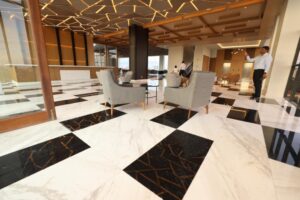 QuartzCambria QuartzCambria is a high-end engineered quartz with deep, natural-looking patterning and the convenience of zero sealing…View Stone →
Understanding quartz vs granite Nairobi affordability is essential before making a purchase, because the decision impacts not just upfront cost but also long-term maintenance and durability.
At Maruti Mining Limited, both materials are supplied and fabricated based on project needs, with clients able to explore options through granite countertops Kenya and quartz surfaces.
Quartz vs granite Nairobi: Understanding the basic difference
Before comparing affordability, it is important to understand what each material is.
Granite is a natural stone formed from cooled magma underground. It is cut into slabs and polished for use in kitchens and bathrooms. Each slab is unique in pattern and texture.
Quartz, on the other hand, is engineered stone made from crushed quartz crystals combined with resin and pigments. It is manufactured for consistency and uniformity.
This fundamental difference affects pricing, availability, and installation costs in Nairobi’s construction market.
Material cost comparison in Nairobi homes
When analyzing quartz vs granite Nairobi pricing, granite is generally more affordable at entry level.
Based on Nairobi market trends:
Granite typically costs less per square foot for basic and mid-range installations
Quartz is usually higher due to manufacturing and import costs
Granite remains widely available locally, which helps reduce supply chain costs. Quartz often involves imported slabs, increasing overall pricing.
However, pricing can vary depending on slab quality, color rarity, thickness, and finishing requirements.
Installation cost differences
Installation is another key factor in quartz vs granite Nairobi affordability.
Granite is heavier but easier to fabricate locally, which can reduce fabrication costs. Quartz requires precise handling and specialized cutting tools due to its resin composition.
In most Nairobi projects, quartz installation ends up slightly more expensive due to material handling requirements and brand sourcing.
Durability and long-term value impact
Affordability is not only about initial cost—it also includes long-term performance.
Granite offers excellent heat resistance and scratch durability, making it ideal for heavy-use kitchens. Quartz offers superior stain resistance and requires less maintenance.
In quartz vs granite Nairobi comparisons, quartz reduces maintenance costs over time, while granite reduces upfront investment costs.
This creates a trade-off:
- Granite = lower initial cost
- Quartz = lower long-term maintenance cost
Maintenance cost comparison
Maintenance plays a major role in long-term affordability.
Granite requires periodic sealing to maintain stain resistance. Without sealing, it may absorb liquids over time.
Quartz is non-porous and does not require sealing, making it easier to maintain in busy households.
For Nairobi homeowners seeking low-maintenance kitchens, quartz may offer better long-term convenience despite higher upfront cost.
Aesthetic differences affecting pricing
Aesthetic demand also influences quartz vs granite Nairobi pricing.
Granite offers natural, unique patterns—no two slabs are identical. Premium or exotic granite varieties can increase cost significantly.
Quartz offers uniform design and modern finishes, which are popular in contemporary Nairobi apartments. However, premium quartz brands often come at higher price points.
Which is more affordable overall?
In most Nairobi residential cases:
Granite is generally more affordable upfront
Quartz becomes more cost-effective in maintenance-heavy environments
So affordability depends on how you define value:
- Short-term budget → Granite wins
- Long-term maintenance savings → Quartz can compete
Best use cases in Nairobi homes
Granite is ideal for:
- Rental apartments
- Budget-conscious renovations
- Outdoor kitchens
- High-heat cooking environments
Quartz is ideal for:
- Modern apartments
- Low-maintenance households
- Luxury interiors
- Clean, minimalist kitchen designs
Real estate value impact
Both materials improve property value in Nairobi’s competitive housing market.
Well-installed stone countertops increase resale appeal and tenant demand, especially in furnished apartments and Airbnb properties.
This makes both quartz and granite strong long-term investments despite differences in upfront cost.
Conclusion
When comparing quartz vs granite Nairobi, there is no single winner for every homeowner.
Granite is typically more affordable at purchase and offers strong durability. Quartz is more expensive initially but provides lower maintenance and modern aesthetics.
The best choice depends on budget, lifestyle, and long-term expectations.
For most Nairobi homes, granite remains the most budget-friendly option, while quartz is preferred for premium, low-maintenance interiors.
Bring Your Vision to Life in Stone
Imagine a space defined by elegance, durability, and timeless beauty. At Maruti Mining Limited, we transform your vision into reality with the finest selection of granite, marble, and quartz, backed by expert fabrication and installation.
Contact our team for a consultation and let’s create a legacy set in stone.
CUSTOM FABRICATION & INSTALLATION ACROSS EAST AFRICA
✔ Premium Collection of Over 80 Stone Varieties
✔ Expert Cutting, Polishing & Installation
✔ Free Project Consultation & Quote
✔ Serving Kenya (Nairobi, Karen, Mombasa), Uganda, Tanzania & beyond.
📞 Request Your Free Consultation:
Maruti Mining Limited
📧 Email: [email protected]
You May Also Like
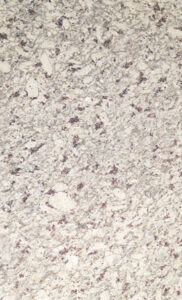 GraniteMoon White GraniteMoon White is a bright imported granite with a white-and-grey base flecked with burgundy and silver.…Explore Collection →
 GraniteGalaxy Black GraniteGalaxy Black, also known as Star Galaxy, is a premium imported granite famed for its pitch-black…Explore Collection →
 GraniteK Black GraniteK Black is a locally-quarried Kenyan granite prized for its deep, intense black field with fine…Explore Collection →
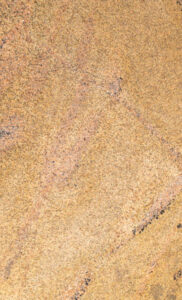 GraniteK Pink GraniteK Pink is a Kenyan-quarried granite with a warm pink-to-salmon ground and natural speckling — a…Explore Collection →
📞 Phone: +254 736 701 174 | +254 728 789 164 | +254 733 519 836
📍 Visit Us: Nairobi, Kenya
🌐 Website: https://marutimining.com/
Leave a Reply