




Modern architecture increasingly favours clean lines, seamless surfaces, and materials that combine outstanding durability with elegant aesthetics. Among the fastest-growing innovations in architectural finishes are large-format porcelain slabs. Designed to deliver exceptional performance while creating expansive, uninterrupted surfaces, porcelain slabs in Kenya have become a preferred choice for luxury homes, commercial developments, hotels, healthcare facilities, retail spaces, and high-end hospitality projects.
Unlike traditional ceramic tiles, porcelain slabs are manufactured in significantly larger dimensions, allowing architects and designers to minimise visible joints while achieving a refined contemporary appearance. These ultra-large panels can replicate the beauty of marble, granite, concrete, terrazzo, limestone, timber, and other natural materials with remarkable realism while offering superior resistance to stains, moisture, heat, ultraviolet light, and everyday wear.
Recommended Stone Solutions
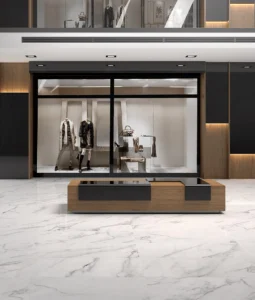


One of the greatest strengths of porcelain slabs in Kenya is their versatility. A single slab can be used across floors, walls, kitchen worktops, bathroom vanities, shower surrounds, staircases, furniture, exterior façades, and outdoor entertainment areas, creating visual continuity throughout an entire development.
Their exceptional technical performance also makes porcelain slabs suitable for both residential and commercial applications where hygiene, low maintenance, and long-term durability are essential. Whether installed in luxury apartments, executive offices, hotels, restaurants, hospitals, or educational facilities, porcelain delivers reliable performance without compromising on aesthetics.
Choosing the right porcelain slab requires an understanding of panel sizes, thickness options, finishes, fabrication methods, installation techniques, and the differences between porcelain, sintered stone, engineered quartz, granite, and marble. Each project has unique structural and design requirements, making informed material selection essential.
At Maruti Mining Limited, we help homeowners, architects, contractors, interior designers, and property developers select premium architectural surfaces tailored to every application. Whether designing a contemporary kitchen, a seamless bathroom, an executive reception area, or an elegant commercial façade, porcelain slabs provide an innovative solution that balances beauty with outstanding technical performance.
You can explore the complete collection of premium architectural surfaces available through Maruti Mining Limited at marutimining and compare porcelain slabs with granite, marble, quartz, and other premium materials for projects throughout Kenya and East Africa.
What Are Porcelain Slabs?
Porcelain slabs are large-format panels manufactured from refined natural minerals that are compressed under extremely high pressure before being fired at very high temperatures.
This advanced manufacturing process creates a dense, low-porosity surface capable of withstanding demanding architectural environments.
Unlike conventional ceramic tiles, porcelain slabs in Kenya offer:
- Much larger dimensions
- Higher structural strength
- Excellent dimensional stability
- Low water absorption
- Superior durability
- Contemporary seamless appearance
These characteristics explain why porcelain slabs have become increasingly popular in both residential and commercial construction.
For more guidance on selecting architectural surfaces, you can visit our Knowledge Base for expert insights at knowledge-base.
Why Large-Format Panels Are Becoming More Popular
One of the defining characteristics of porcelain slabs in Kenya is their ability to create expansive surfaces with very few visible joints.
Fewer joints provide several important advantages:
- Cleaner appearance
- Easier maintenance
- Improved hygiene
- Modern architectural aesthetics
- Enhanced visual continuity
Large-format panels are especially effective in open-plan interiors where uninterrupted surfaces contribute to a spacious, elegant atmosphere.
Benefits of Porcelain Slabs
Architects and designers increasingly specify porcelain because it combines attractive aesthetics with impressive technical performance.
Its key advantages include:
- Heat resistance
- UV resistance
- Scratch resistance
- Stain resistance
- Moisture resistance
- Hygienic surface
- Low maintenance
- Indoor and outdoor suitability
These qualities make porcelain suitable for a wide variety of architectural applications.
Heat Resistance
One of the principal advantages of porcelain slabs in Kenya is their excellent resistance to high temperatures.
This makes porcelain ideal for:
- Kitchen worktops
- Outdoor kitchens
- Barbecue areas
- Commercial food preparation surfaces
Hot cookware can generally be placed on porcelain more safely than on many resin-based surfaces, although suitable care is always recommended.
UV Resistance
Unlike some decorative materials that gradually fade under prolonged sunlight exposure, porcelain maintains excellent colour stability.
Its UV resistance makes it suitable for:
- Exterior wall cladding
- Outdoor kitchens
- Balconies
- Garden entertainment areas
- Building façades
Even after years of outdoor exposure, porcelain retains its original appearance.
Scratch Resistance
The dense surface of porcelain slabs in Kenya provides outstanding resistance to everyday scratching.
This makes porcelain particularly suitable for:
- Kitchen countertops
- Dining tables
- Commercial counters
- Reception desks
- Retail displays
Although cutting boards should still be used for food preparation, porcelain offers exceptional resistance to normal household wear.
Moisture Resistance
Porcelain absorbs extremely little water, making it one of the most hygienic architectural surfaces available.
Its low porosity makes it especially appropriate for:
- Bathrooms
- Kitchens
- Healthcare facilities
- Restaurants
- Commercial interiors
The surface is easy to clean and helps maintain high standards of hygiene.
Flooring Applications
Large-format porcelain flooring has become increasingly popular because it creates spacious interiors with minimal grout joints.
Typical applications include:
- Luxury homes
- Hotels
- Office buildings
- Retail centres
- Healthcare facilities
- Educational institutions
Its durability allows it to withstand heavy foot traffic while maintaining its elegant appearance.
Wall Cladding Applications
Porcelain slabs in Kenya are also widely specified for interior and exterior wall cladding.
Large panels create striking architectural features while reducing the number of visible joints.
Popular applications include:
- Bathroom walls
- Shower enclosures
- Feature walls
- Hotel receptions
- Commercial façades
- Lift lobbies
For inspiration, you can also explore our gallery of completed projects at our-works.
Kitchen Worktops
One of the fastest-growing applications for porcelain slabs in Kenya is the modern kitchen. Large-format porcelain creates elegant worktops with minimal joints while providing outstanding durability for everyday cooking and food preparation.
Its technical performance makes it particularly suitable for busy households and commercial kitchens.
Common applications include:
- Kitchen worktops
- Waterfall islands
- Splashbacks
- Breakfast counters
- Pantry work surfaces
- Outdoor kitchen countertops
Its resistance to heat, stains, and ultraviolet light allows a consistent design to flow from indoor kitchens to outdoor entertainment areas.
Bathroom Vanities and Shower Walls
The low-porosity nature of porcelain makes it exceptionally well suited to bathrooms.
Large panels reduce grout lines, creating cleaner, more hygienic spaces that are easier to maintain.
Popular bathroom applications include:
- Vanity tops
- Shower walls
- Bath surrounds
- Feature walls
- Wet-room cladding
The seamless appearance creates a luxurious spa-inspired environment while simplifying routine cleaning.
Outdoor Applications
Because porcelain slabs in Kenya resist moisture, UV exposure, and temperature fluctuations, they perform exceptionally well outdoors.
Common exterior applications include:
- Outdoor kitchens
- Garden entertainment areas
- Balcony flooring
- Exterior wall cladding
- Building façades
- Terrace paving
Unlike many decorative materials, porcelain maintains its colour and structural stability even after prolonged exposure to sunlight and weather.
Standard Slab Sizes
Large-format porcelain slabs are manufactured in several dimensions to suit different architectural applications.
Common sizes include:
- 3,200 × 1,600 mm
- 3,240 × 1,620 mm
- 3,000 × 1,000 mm
- Custom dimensions for selected product ranges
Large panels reduce visible joints while enhancing visual continuity across expansive surfaces.
Thickness Options
Choosing the appropriate thickness depends on the intended application and structural requirements.
6 mm Porcelain Slabs
Ideal for:
- Wall cladding
- Furniture
- Cabinet doors
- Decorative panels
The reduced thickness minimises weight while maintaining excellent performance.
12 mm Porcelain Slabs
This is one of the most versatile options for:
- Kitchen worktops
- Bathroom vanities
- Dining tables
- Reception counters
It provides excellent structural strength while maintaining elegant proportions.
20 mm Porcelain Slabs
Recommended for:
- Heavy-duty commercial worktops
- Large waterfall islands
- Executive reception desks
- Bespoke furniture
The additional thickness creates a substantial architectural appearance while providing enhanced durability.
Surface Finish Options
Porcelain slabs in Kenya are available in several finishes, allowing architects and designers to achieve different aesthetic styles.
Polished Finish
A polished surface enhances colour depth while reflecting light beautifully.
It is commonly specified for:
- Luxury kitchens
- Hotel receptions
- Executive offices
- Bathroom vanities
Matte Finish
Matte porcelain creates a sophisticated contemporary appearance with minimal surface reflection.
This finish suits:
- Minimalist interiors
- Modern commercial spaces
- Contemporary residential developments
Textured Finish
Textured finishes provide additional grip while introducing tactile character.
They are particularly suitable for:
- Outdoor terraces
- Balcony flooring
- Garden pathways
- Pool surrounds
What Influences the Cost of Porcelain Slabs in Kenya?
The total investment in porcelain slabs in Kenya depends on several factors rather than a single price per slab.
Key considerations include:
- Slab dimensions
- Thickness
- Surface finish
- Design collection
- Fabrication requirements
- Edge detailing
- Installation complexity
- Transportation
- Project quantity
Premium marble-effect collections and designer finishes generally command higher prices because of their advanced manufacturing techniques.
Fabrication Requirements
Although porcelain slabs are highly durable, they require specialist fabrication equipment because of their density.
Professional fabrication generally includes:
- Digital templating
- CNC precision cutting
- Edge profiling
- Sink cut-outs
- Hob cut-outs
- Surface finishing
- Quality inspection
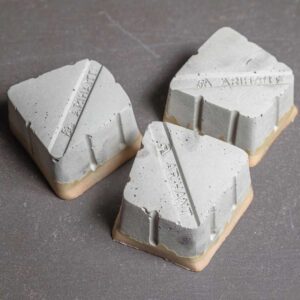
Specialist diamond tooling helps achieve accurate cuts while protecting the slab from unnecessary stress.
Comparing Porcelain with Sintered Stone
Porcelain and sintered stone share several technical characteristics, including excellent durability and resistance to heat and moisture.
However, there are differences in manufacturing processes and available product ranges.
Porcelain generally offers:
- Exceptional design variety
- Large-format panels
- Excellent stain resistance
- Competitive pricing
Sintered stone typically provides:
- Ultra-compact density
- Superior structural strength
- Enhanced impact resistance
- Exceptional dimensional stability
Both materials perform exceptionally well in contemporary architectural projects.
Comparing Porcelain with Granite
Granite remains one of the world’s most respected natural stones because every slab displays unique mineral formations.
Porcelain slabs in Kenya provide an alternative for clients seeking highly consistent colours and patterns across large installations.
Granite offers:
- Natural uniqueness
- Exceptional durability
- Timeless architectural appeal
Porcelain provides:
- Uniform appearance
- Large seamless panels
- Low maintenance
- Extensive design flexibility
Clients comparing these premium surfaces can also explore our extensive collection of granite at top-granite-manufacturer-kenya-maruti-mining.
Comparing Porcelain with Marble
Marble has long been associated with luxury interiors because of its elegant natural veining.
Porcelain reproduces many marble-inspired designs while offering greater resistance to staining, moisture, and everyday wear.
Marble is commonly specified for:
- Luxury flooring
- Staircases
- Decorative wall cladding
- Premium interiors
Porcelain is increasingly selected where marble aesthetics are desired together with enhanced durability and simplified maintenance.
Those considering natural marble can also learn more about marble options at marble-manufacturer-kenya.




Leave a Reply