


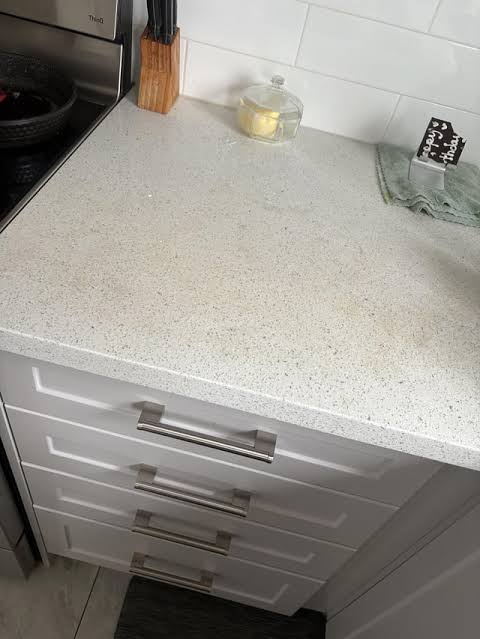
Quartz countertops have become one of the most popular choices for modern kitchens and bathrooms because they combine attractive designs with exceptional durability and low maintenance. Unlike many natural stones, engineered quartz does not usually require sealing, making it an appealing option for busy households and commercial spaces. However, understanding how to clean quartz correctly is essential if you want the surface to maintain its beauty for many years.
One of the biggest misconceptions is that quartz is completely maintenance-free. While it is highly resistant to staining and everyday wear, improper cleaning methods can gradually damage the surface, dull its finish, or even affect the resin that binds the quartz particles together. Strong chemicals, abrasive pads, and excessive heat are among the most common causes of unnecessary damage.
Recommended Stone Solutions



Fortunately, learning how to clean quartz is straightforward. In most cases, daily care requires nothing more than a soft cloth, warm water, and a mild detergent. Promptly wiping up spills and avoiding harsh cleaning products will help preserve the countertop’s smooth finish and vibrant colour.
Whether you have installed quartz in a family kitchen, bathroom vanity, office kitchenette, hotel, restaurant, or commercial workspace, following the correct cleaning routine will maximise the lifespan of your investment.
At Maruti Mining Limited, we help homeowners, architects, interior designers, and developers choose premium engineered quartz while providing expert guidance on installation, cleaning, and long-term maintenance.
Explore premium engineered quartz collections from Maruti Mining Limited at quartz-stone.
What Is Engineered Quartz?
Before learning how to clean quartz, it helps to understand what the material is made from.
Engineered quartz combines:
- Natural quartz crystals
- Polymer resins
- Colour pigments
These materials are compressed under high pressure to produce a dense, durable, and low-porosity surface.
Because quartz has very low absorption, it resists many everyday stains without requiring routine sealing.
Why Proper Cleaning Matters
Although quartz is highly durable, incorrect cleaning can gradually affect its appearance.
Proper care helps maintain:
- Surface shine
- Consistent colour
- Smooth texture
- Long-term durability
- Hygienic food preparation surfaces
Good cleaning habits also reduce the build-up of grease, soap residue, and dried food.
Daily Cleaning Routine
The simplest answer to how to clean quartz is to clean it regularly using mild products before dirt and spills have time to harden.
Daily cleaning usually requires:
- Warm water
- Mild washing-up liquid
- Soft microfibre cloth
- Non-abrasive sponge
After wiping the surface, dry it with a clean cloth to minimise streaks.
This routine is suitable for most kitchens and bathrooms.
How to Remove Everyday Spills
Most common spills can be removed easily if cleaned promptly.
Examples include:
- Coffee
- Tea
- Milk
- Juice
- Soft drinks
- Cooking oil
- Sauces
Wipe the spill with a damp cloth and mild detergent before it dries.
Prompt attention makes cleaning much easier.
How to Clean Quartz After Food Preparation
Food preparation often leaves behind:
- Flour
- Grease
- Sugar
- Cooking oils
- Food residue
After preparing meals:
- Remove loose debris.
- Wipe with warm water and mild detergent.
- Dry with a soft cloth.
Regular cleaning prevents residue from accumulating.
How to Lift Dried Spills Safely
Occasionally, food may dry onto the surface.
Instead of using metal tools or abrasive pads:
- Soften the residue with warm water.
- Allow it to loosen.
- Gently lift it using a plastic scraper if necessary.
- Wipe clean with a damp cloth.
This approach protects the quartz surface from unnecessary scratches.
What Should Never Be Used on Quartz?
Knowing how to clean quartz also means understanding which products should be avoided.
Avoid using:
- Steel wool
- Abrasive scouring pads
- Harsh alkaline cleaners
- Strong acidic cleaners
- Paint removers
- Oven cleaners
- Solvent-based chemicals
- Highly concentrated bleach
These products may dull the finish or damage the resin component of engineered quartz.
Can You Use Disinfectants?
Many mild household disinfectants can be used occasionally, provided they are compatible with engineered quartz and are not left on the surface longer than recommended.
Always follow the manufacturer’s instructions and rinse the surface with clean water afterwards.
Does Quartz Need Special Cleaners?
No.
Most manufacturers recommend simple cleaning using mild soap and water.
Special stone cleaners may be used if desired, but harsh chemicals are generally unnecessary for routine maintenance.
Common Myths About Cleaning Quartz
Several misconceptions continue to circulate.
Myth: Quartz never needs cleaning.
Reality: Quartz resists staining but still requires regular cleaning to remove grease, bacteria, and food residue.
Myth: Strong chemicals clean better.
Reality: Harsh cleaners may damage the resin and gradually reduce the surface’s appearance.
Myth: Abrasive pads remove stubborn marks safely.
Reality: Abrasive materials may scratch or dull the finish.
For more expert countertop care advice, visit the Maruti Mining Knowledge Base at knowledge-base.
How to Clean Quartz After Tough Kitchen Messes
Understanding how to clean quartz becomes especially important when dealing with dried food, grease, sticky residues, or stubborn marks. Fortunately, most messes can be removed without harsh chemicals if the correct cleaning methods are used.
For tougher residue:
- Dampen the affected area with warm water.
- Allow the residue to soften for a few minutes.
- Gently remove it using a plastic scraper if necessary.
- Wipe the surface with a soft cloth and mild detergent.
- Dry thoroughly using a clean microfibre cloth.
Avoid using excessive force, as this is rarely necessary on engineered quartz.
How to Remove Grease from Quartz
Cooking oils and grease can leave a thin film that attracts dust and fingerprints.
The best approach is simple:
- Warm water
- Mild dishwashing liquid
- Soft sponge or microfibre cloth
Clean the area thoroughly before drying it to restore the countertop’s natural finish.
Cleaning Quartz in Bathrooms
Quartz is equally popular for bathroom vanities because it resists moisture and everyday cosmetic products.
To keep bathroom quartz looking its best:
- Wipe away toothpaste immediately.
- Remove soap residue regularly.
- Clean cosmetic spills promptly.
- Dry standing water after cleaning.
Regular care helps prevent residue from building up over time.
What If Something Stains the Surface?
Although engineered quartz is highly stain resistant, strongly coloured substances should never be left on the surface for extended periods.
Examples include:
- Coffee
- Red wine
- Turmeric
- Beetroot juice
- Hair dye
- Food colouring
Prompt cleaning is the simplest way to prevent staining.
If a mark remains after routine cleaning, repeat the process using warm water and a quartz-safe cleaner before considering stronger products.
Can Vinegar Be Used on Quartz?
Many homeowners ask this question when learning how to clean quartz.
Small amounts of diluted vinegar used occasionally are unlikely to cause immediate problems. However, frequent use of acidic cleaning solutions is generally discouraged because they may gradually affect the resin binder and the surface finish.
For routine maintenance, mild soap and warm water remain the safest and most widely recommended choice.
Can Bleach Be Used?
Highly concentrated bleach should not be used as part of everyday quartz maintenance.
If a disinfectant is required:
- Follow the quartz manufacturer’s recommendations.
- Dilute products where appropriate.
- Avoid prolonged contact.
- Rinse thoroughly afterwards.
Using stronger chemicals more often than necessary may shorten the lifespan of the countertop’s finish.
Can Quartz Be Steam Cleaned?
Steam cleaning is generally unnecessary.
Excessive heat directed repeatedly onto one area may place unnecessary stress on the resin component of engineered quartz.
A damp cloth and mild detergent are normally all that is required for routine cleaning.
Does Quartz Need Polishing?
Unlike natural marble or granite, engineered quartz does not normally require polishing to maintain its appearance.
Its factory-finished surface is designed to retain its smooth finish through regular cleaning rather than polishing.
If the surface becomes dull due to damage or improper cleaning, professional assessment is preferable to attempting DIY polishing.
Everyday Habits That Keep Quartz Looking New
Learning how to clean quartz also involves developing good everyday habits.
These include:
- Wipe spills immediately.
- Use chopping boards for food preparation.
- Place trivets beneath hot cookware.
- Avoid dragging heavy objects across the surface.
- Use soft cloths instead of abrasive pads.
- Clean little and often rather than allowing dirt to build up.
These simple practices help maintain the countertop’s appearance for many years.
Common Cleaning Mistakes
Avoid these common errors:
- Using abrasive scouring pads
- Applying paint removers or solvents
- Allowing spills to dry for long periods
- Cutting directly on the countertop
- Using highly concentrated chemicals
- Placing extremely hot cookware directly on the surface
Preventing these mistakes is often easier than correcting the damage afterwards.
Why Professional Advice Matters
Every quartz installation is slightly different depending on:
- Manufacturer
- Colour
- Finish
- Installation location
- Daily usage
Professional guidance helps homeowners choose appropriate cleaning methods while avoiding products that could affect the surface over time.
Clients can also explore engineered quartz collections at quartz-stone, discover premium granite surfaces at top-granite-manufacturer-kenya-maruti-mining, view elegant marble collections at marble-manufacturer-kenya, or browse completed stone installations at our-works.


Leave a Reply