


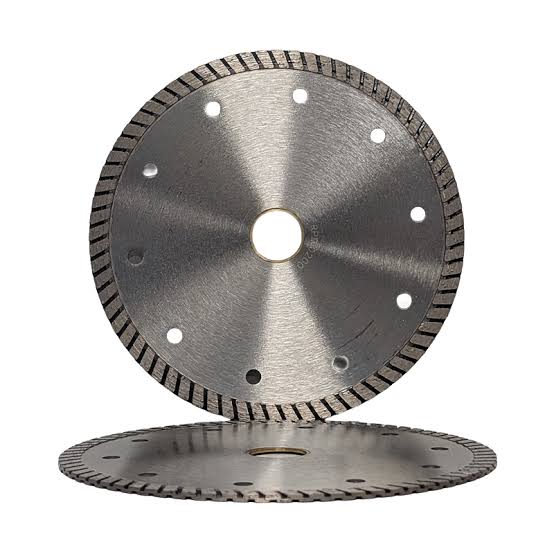
Choosing the right diamond blade for granite can make a significant difference to cutting quality, working speed and the finished appearance of a stone project. Granite is a hard natural material, and cutting it requires a blade designed for the stone, the machine and the intended cutting method.
However, not every diamond blade for granite is the same. Some blades have segmented rims, others have turbo-style edges, while continuous-rim designs are available for applications where a cleaner finish is important. Each design has different characteristics, and the right choice depends on the manufacturer’s specifications and the job requirements.
Recommended Stone Solutions


The same consideration applies when selecting a marble cutting blade or a diamond stone cutting blade for engineered quartz. A blade that performs well on one material may not be suitable for another.
For stone fabricators, contractors, installers and workshops in Kenya, understanding these differences helps avoid unsuitable purchases and unnecessary material waste.
This guide explains how to choose a diamond blade for granite, compares segmented, turbo and continuous-rim designs, and covers wet and dry cutting, blade sizing, operating practices, maintenance and safety.
What Is a Diamond Blade for Granite?
A diamond blade for granite is a cutting disc designed with diamond abrasive particles in its cutting edge to cut hard stone materials. Unlike an ordinary steel cutting disc, it uses the hardness of industrial diamonds to abrade and cut through the material.
Diamond blades are used in different stone fabrication applications, including:
- Cutting granite slabs and worktops.
- Cutting marble and other natural stones.
- Preparing stone pieces for installation.
- Cutting stone tiles and panels.
- Shaping stone components for architectural projects.
- Carrying out workshop fabrication and construction work.
A diamond blade for granite normally consists of a steel body and a cutting edge containing diamond particles held within a bonding material. The blade’s construction, diamond specification and bond design influence how it performs.
How Does a Diamond Blade Work?
A diamond blade cuts through the stone through controlled abrasion. As the blade rotates, the exposed diamond particles contact the material and gradually remove small amounts of stone.
The cutting segments or rim are designed to wear during use, exposing fresh diamond particles as the blade operates. This process helps maintain cutting performance when the blade is used under the conditions for which it was designed.
The performance of a diamond blade for granite depends on several factors:
- Diamond quality and concentration.
- Bond composition and hardness.
- Blade diameter and construction.
- Cutting speed and machine compatibility.
- Cooling and dust-control method.
- Material hardness and abrasiveness.
- Feed pressure and operator technique.
A suitable diamond blade for granite should match the material and machine rather than being selected by appearance alone.
The 3 Main Types of Diamond Blades for Stone Cutting
The three common rim designs to understand when comparing stone cutting blades are segmented, turbo and continuous rim. Their construction affects how they cut, but the manufacturer’s intended application remains the most important selection guide.
1. Segmented Diamond Blade
<AsyncImage query=”segmented rim diamond cutting blade industrial stone cutting disc close up” aspectRatio=”16:9″ width=”100%”/>
A segmented diamond blade has separate cutting sections around its outer edge. Gaps between the segments form spaces that help with heat dissipation and the removal of cutting debris.
Segmented designs are available for different materials and cutting applications. Some are intended for hard stone, while others are designed for concrete, masonry or different construction materials. Do not assume that every segmented blade is suitable for granite.
Potential advantages include:
- Gaps between segments provide spaces for debris removal.
- Some designs are suitable for demanding cutting applications.
- Different segment configurations are available for different materials.
- Certain models are designed for dry cutting, while others are intended for wet operation.
Possible limitations include:
- The cutting finish may be rougher than that produced by a suitable finishing blade.
- The blade may require additional edge finishing.
- Performance varies considerably between products.
A segmented diamond blade for granite may be appropriate for certain cutting tasks, particularly where the blade manufacturer specifies granite compatibility. Check the product’s intended use before purchasing.
2. Turbo Diamond Blade
<AsyncImage query=”turbo rim diamond blade close up serrated continuous stone cutting disc” aspectRatio=”16:9″ width=”100%”/>
A turbo blade has a continuous-style rim with a patterned, serrated or ridged edge. The design combines features associated with continuous-rim and segmented cutting edges, although the exact construction varies between manufacturers.
A turbo blade granite application may require a blade designed specifically for natural stone. The word “turbo” alone does not confirm that a product is suitable for granite.
Potential advantages include:
- Some designs offer a balance between cutting speed and finish.
- The patterned rim can assist with cutting debris removal.
- Different models are available for specific stone and machine applications.
- Certain designs are suitable for portable cutting equipment.
Possible limitations include:
- Finish quality depends on the blade’s construction and the material.
- Not every turbo blade is designed for granite.
- Some products have specific wet or dry operating requirements.
When choosing a turbo blade granite option, check the manufacturer’s material list, machine compatibility and cutting method.
3. Continuous-Rim Diamond Blade
<AsyncImage query=”continuous rim diamond tile stone cutting blade close up smooth rim” aspectRatio=”16:9″ width=”100%”/>
A continuous-rim diamond blade has an uninterrupted cutting edge around its circumference. Some designs are intended for applications where a cleaner cut is important, including certain tile and stone materials.
A continuous rim may be appropriate for a particular granite or marble application if the manufacturer confirms compatibility. It should not automatically be considered the best diamond blade for granite because the material, blade construction and operating conditions all matter.
Potential advantages include:
- Some models are designed for cleaner cutting.
- The uninterrupted rim can suit particular finishing applications.
- Certain designs are available for wet cutting.
- They can be useful where edge quality is an important consideration.
Possible limitations include:
- Some continuous-rim blades have specific cooling requirements.
- Cutting speed varies by product and material.
- A blade intended for tiles may not be suitable for thick granite slabs.
Always check the blade’s intended material and cutting method before use.
Segmented vs Turbo vs Continuous Rim: Which Diamond Blade Should You Choose?
There is no universal winner because blade designs are manufactured for different applications. The right diamond blade for granite is the one whose specifications match the stone, machine, cutting method and required finish.
| Blade type | Rim design | Potential application | What to confirm |
|---|---|---|---|
| Segmented | Separate cutting sections | Specified stone and construction cutting | Granite compatibility and cutting method |
| Turbo | Patterned or serrated continuous-style rim | Specified stone cutting and fabrication | Material suitability and machine rating |
| Continuous rim | Uninterrupted cutting edge | Applications requiring a suitable finishing cut | Stone compatibility and cooling requirements |
Before selecting a diamond blade for granite, consider whether the cut is for rough sizing, fabrication or an exposed finished edge.
A rough cut that will receive further finishing may have different requirements from a visible edge on a countertop. The blade should be selected according to the actual task.
Which Diamond Blade Is Best for Granite?
The best diamond blade for granite is a model specifically designed and rated for the granite being cut and the machine being used. Its rim design should suit the required cutting operation.
Granite varies in mineral composition, hardness and abrasiveness. This means two granite varieties may not produce identical cutting conditions.
When choosing a diamond blade for granite, consider:
- Whether the manufacturer specifically lists granite as a suitable material.
- Whether the blade is designed for wet cutting, dry cutting or both.
- Whether its diameter and arbor fit the machine.
- Whether its maximum RPM rating matches the machine.
- Whether the blade is intended for the required cutting depth.
- Whether the expected finish is appropriate for the project.
Do not choose a diamond blade for granite simply because it has a high price, a particular rim design or a large number of segments. Confirm the technical specifications first.
Choosing a Diamond Blade for Marble, Granite and Engineered Quartz
Granite, marble and engineered quartz have different compositions. A blade suitable for one material should not automatically be used on another.
Which Blade Is Suitable for Marble?
Marble is generally softer than granite, but it can chip, scratch or develop visible edge damage when cut with unsuitable equipment or excessive feed pressure.
A marble cutting blade should be selected according to the manufacturer’s material recommendations.
Consider:
- Rim design and the required edge finish.
- Wet or dry cutting compatibility.
- Machine speed and blade diameter.
- Stone thickness and cutting depth.
- Whether the cut will be visible or receive further finishing.
A suitable diamond blade for granite may also be approved for certain marble applications, but this must be confirmed from the manufacturer’s specifications rather than assumed.
Can a Diamond Blade for Granite Cut Engineered Quartz?
Engineered quartz contains natural mineral particles combined with resin and other materials. Its cutting behaviour therefore differs from that of solid natural granite.
A diamond blade for granite should not automatically be assumed suitable for engineered quartz. Check that the blade manufacturer specifically approves the product for engineered stone or quartz.
When cutting engineered quartz:
- Use a blade approved for the material.
- Follow the specified wet or dry cutting method.
- Support the slab properly.
- Avoid excessive feed pressure.
- Use appropriate dust controls and protective equipment.
The resin content makes material compatibility particularly important. If you are uncertain, ask the blade supplier or stone fabricator to confirm the correct specification.
Wet Cutting vs Dry Cutting: Which Method Should You Use?
Wet cutting and dry cutting are different operating methods. The correct choice depends on the blade, machine, material and working environment.
Wet cutting uses water around the cutting area to cool the blade and help control airborne dust. Dry cutting operates without a water supply and requires appropriate dust extraction and careful control of cutting conditions.
Advantages of Wet Cutting
Wet cutting is commonly used in stone fabrication because water can help:
- Reduce heat around the cutting edge.
- Flush stone particles away from the cutting area.
- Reduce airborne dust when the system is properly configured.
- Support consistent cutting under suitable operating conditions.
However, water does not make every cutting operation safe. Electrical equipment must be suitable for wet conditions, and the machine, power supply and work area must be protected against electrical hazards.
When Is Dry Cutting Appropriate?
Dry cutting may be suitable when the blade and machine are specifically designed for it.
Dry cutting requires effective dust extraction or another suitable dust-control system. Stone dust can contain respirable crystalline silica, which presents serious health risks when inhaled.
Follow the manufacturer’s instructions on cutting duration, cooling breaks and operating conditions. Never use a wet-only blade for dry cutting simply because water is unavailable.
How to Choose the Correct Diamond Blade Size
The diameter of a diamond blade affects the cutting depth and determines whether the blade can be fitted safely to a particular machine.
Before buying a diamond blade for granite, check the following specifications.
Blade Diameter
The blade diameter must match the machine’s approved blade size. A larger blade is not automatically better because the machine must be designed to accommodate it.
Consider the thickness of the stone and the depth of cut required, but never fit a blade that exceeds the machine manufacturer’s limits.
Arbor or Bore Size
The arbor is the centre opening through which the blade connects to the machine. Its size must match the machine spindle or an approved mounting arrangement.
An incorrect fit can cause vibration, poor alignment or unsafe operation. Do not improvise with unsuitable spacers or mounting arrangements.
Maximum RPM
Every blade has a maximum permitted rotational speed. The machine’s operating speed must not exceed the blade’s rated maximum speed.
Check the markings on the blade and the machine before installation. Never assume that two blades of the same diameter have the same speed rating.
Kerf and Segment Thickness
Kerf refers to the width of material removed by the blade during cutting. Segment thickness and blade construction also influence the cutting arrangement and finished result.
Make sure the blade is suitable for the required cut and the machine being used. Do not choose a blade solely because its kerf appears narrow or its segments look thicker.
Machine Compatibility
A blade must be suitable for the equipment that will operate it. A blade intended for a stationary stone-cutting machine may not be appropriate for a handheld grinder or portable saw.
Confirm the machine type, mounting arrangement, operating speed and cutting method before purchasing.
How to Make Cleaner Cuts with a Diamond Blade for Granite
Even a suitable diamond blade for granite can produce a poor finish if the stone is unstable or the cutting technique is incorrect.
Good cutting practice helps reduce chipping, uneven edges and unnecessary blade wear.
Measure and Mark the Stone
Measure the required dimensions carefully and mark the cutting line clearly. Check the measurements before starting because correcting an inaccurate cut can waste valuable stone.
For a project involving multiple pieces, prepare a cutting plan that considers the slab’s natural markings, visible veins and final installation layout.
Support the Slab Properly
The stone should remain stable throughout the cutting process. Use suitable supports and secure the workpiece where necessary.
Poor support can cause the slab to move, vibrate or break during cutting. The section being removed should also be supported so that it does not fall or tear away unexpectedly.
Use a Steady Feed
Allow the blade to cut at a controlled pace. Forcing a diamond blade for granite through the material can increase heat, place unnecessary strain on the equipment and contribute to chipping.
A consistent feed is generally better than pushing harder when the blade begins to slow down.
Avoid Twisting the Blade
Keep the blade aligned with the cutting path. Twisting or forcing it sideways can cause binding, uneven wear or damage.
If the blade begins to bind, stop the operation and inspect the setup rather than trying to force it through the stone.
Support the Exit Side
The point where the blade exits the material can be vulnerable to chipping, particularly when cutting brittle stone or working close to an exposed edge.
Where the cutting arrangement allows it, support the material and plan the cut to reduce damage at the exit point. Follow the machine and blade manufacturer’s recommended technique.
What Affects Diamond Blade Life?
Diamond blades are consumable tools. Their useful life depends on the stone being cut, the blade’s construction, machine condition and operating technique.
A diamond blade for granite that wears quickly may not necessarily be defective. It may be unsuitable for the material or being used outside its intended operating conditions.
Material Hardness and Abrasiveness
Different stones wear blades at different rates. Granite varies in mineral composition and hardness, while marble and engineered quartz have their own cutting characteristics.
A blade designed for one material may wear inefficiently or perform poorly on another.
Blade Bond and Diamond Exposure
The bond holds the diamond particles within the cutting segments. Its design influences how the blade wears and exposes fresh diamond particles during operation.
The appropriate bond depends on the material and the blade’s intended application. There is no single bond specification that is best for every stone.
Cooling and Dust Removal
Poor cooling during an operation intended for wet cutting can contribute to excessive heat. In dry cutting, failing to follow the specified operating intervals can also affect performance.
Use the cooling or dust-control arrangement specified by the manufacturer.
Feed Pressure
Excessive pressure can overload the blade and machine. It may also increase the risk of chipping, overheating or damage.
Use a steady feed and allow the blade to do the cutting.
Machine Condition
A poorly maintained machine can shorten blade life. Spindle problems, incorrect alignment, damaged guards and vibration can affect cutting quality and operating safety.
Inspect the machine regularly and address faults before continuing work.
Storage and Handling
Store diamond blades in a dry, secure location where they will not be dropped, bent or exposed to unnecessary impact.
Handle blades carefully and inspect them before installation. A damaged or distorted blade should not be used.
Common Diamond Blade Problems and How to Troubleshoot Them
A diamond blade for granite may slow down, overheat or produce rough edges when the blade, material, machine or cutting method are not properly matched. Identifying the problem early can prevent further damage to the blade and stone.
Why Is My Diamond Blade Cutting Slowly?
A blade that cuts slowly may be unsuitable for the material, worn, glazed or operating under incorrect conditions.
Possible causes include:
- Using a blade that is not designed for the stone being cut.
- Applying too much pressure.
- Operating outside the recommended speed range.
- Insufficient cooling where wet cutting is required.
- A glazed or worn cutting edge.
Stop the machine and inspect the blade. Check its condition, compatibility and operating instructions. Do not attempt to solve slow cutting by applying excessive pressure.
Why Is My Diamond Blade Overheating?
Overheating may result from poor cooling, excessive feed pressure, an unsuitable blade or incorrect operating conditions.
Check whether the blade is rated for wet or dry cutting and confirm that the required cooling method is being followed. Inspect the machine and blade for signs of damage.
If the blade becomes excessively hot, stop the operation and allow it to cool according to the manufacturer’s instructions. Do not continue cutting with a blade that shows signs of damage.
Why Is My Diamond Blade Chipping Granite or Marble?
Chipping can occur when the blade is unsuitable for the material or the cutting technique is too aggressive.
Other possible causes include:
- Poor slab support.
- Excessive feed pressure.
- Incorrect blade alignment.
- A damaged or worn cutting edge.
- An unsuitable cutting direction or setup for the application.
Check the blade specification and cutting arrangement. Support the stone properly and use a controlled feed.
Why Does My Diamond Blade Vibrate?
Vibration can indicate a mounting or machine problem. It may also result from a damaged, distorted or incorrectly fitted blade.
Stop the machine immediately and check the mounting arrangement, spindle condition, blade condition and machine alignment. Do not continue operating a blade that wobbles or vibrates abnormally.
What Should I Do If My Diamond Blade Appears Glazed?
A glazed blade may have a cutting surface that is no longer exposing diamond particles effectively. This can make cutting slower and increase heat.
Do not assume that every slow blade needs dressing. First check the blade manufacturer’s instructions and confirm that the blade is suitable for the material. Use only an approved dressing method where specified.
Safety Tips When Using Stone Cutting Blades
Stone cutting involves high-speed rotating equipment, sharp fragments and potentially hazardous dust. Safe operation requires the correct machine, blade, work area and protective equipment.
Wear Appropriate Protective Equipment
Use suitable eye protection, hearing protection and other personal protective equipment required by the machine and workplace risk assessment.
Wear respiratory protection where required by the dust-control assessment. Ordinary dust masks should not be assumed to provide adequate protection against respirable crystalline silica.
Control Silica Dust
Cutting natural stone and engineered stone can release fine dust. Some stone materials contain crystalline silica, which can cause serious lung disease when inhaled.
Use an effective wet-cutting or dust-extraction system appropriate to the equipment and material. Do not rely on an ordinary face covering or a disposable mask without confirming its suitability.
Keep the Blade Guard in Place
Use the machine with its approved blade guard and safety features correctly fitted. Never remove a guard to make a difficult cut easier.
Secure the Material
Keep the stone stable and supported during cutting. Never hold a small or unstable workpiece in a way that places your hands close to the rotating blade.
Inspect Before Every Use
Check for visible damage, cracks, distortion, loose mounting and other signs that the blade or machine may be unsafe. Confirm that the blade is correctly installed and that its maximum speed rating is suitable for the machine.
Never use a damaged blade.
Where Can You Buy Stone Cutting Blades in Kenya?
When buying stone cutting blades in Kenya, the important consideration is not simply the price or appearance of the blade. You need a product that matches the stone, machine and cutting method.
Before purchasing a diamond blade for granite, confirm:
- Whether the blade is intended for granite, marble, engineered quartz or another material.
- Whether it is designed for wet cutting, dry cutting or both.
- The available blade diameter and arbor size.
- Its maximum rated RPM.
- Whether it is compatible with your cutting machine.
- Whether the blade is intended for rough cutting, general fabrication or cleaner finishing work.
Maruti Mining Limited lists Stone Cutting Blades in its tools range. You can view the stone cutting blades product listing. The online listing does not provide a complete technical specification for every blade, so confirm the available models, sizes and material compatibility directly with the supplier.
For other stone fabrication supplies, explore the Maruti Mining tools range.
Frequently Asked Questions About Diamond Blades
1. What is the difference between a segmented and a turbo diamond blade?
A segmented blade has separate cutting segments with gaps between them, while a turbo blade has a continuous-style rim with a patterned or serrated edge. Their cooling, cutting and finishing characteristics vary by design and manufacturer.
2. Is a continuous-rim diamond blade suitable for granite?
Some continuous-rim blades are designed for particular stone-cutting applications, but suitability depends on the blade specification and cutting method. Check the manufacturer’s material guidance before using one on granite.
3. Can I use a granite cutting blade on marble?
Only if the blade manufacturer confirms that it is suitable for marble. A blade designed for granite should not automatically be assumed to deliver the best results on softer natural stone.
4. Should I use a wet or dry diamond blade for granite?
Use the cutting method specified by the blade manufacturer. Wet cutting can help with cooling and dust control, while dry cutting requires a blade and machine approved for dry operation and suitable dust extraction.
5. Can a diamond blade cut engineered quartz?
Yes, provided the blade is specifically suitable for engineered quartz and the cutting equipment and method are appropriate. Always check compatibility because engineered quartz contains resin as well as mineral material.
6. How do I choose the correct diamond blade diameter?
Choose a diameter approved for your machine and suitable for the required cutting depth. Also confirm the arbor size, maximum RPM and blade guard compatibility.
7. How long does a diamond blade last?
There is no universal lifespan. Blade life depends on the stone, blade construction, cutting conditions, cooling, feed pressure, machine condition and frequency of use.
8. How do I know when a diamond blade needs replacing?
Replace a blade if it is cracked, distorted, damaged or otherwise unsafe. Persistent poor cutting performance should also prompt an inspection to determine whether the blade is worn, glazed or unsuitable for the material.
9. Why does my diamond blade chip the stone?
Chipping can result from an unsuitable blade, excessive feed pressure, poor support, incorrect alignment or a damaged cutting edge. Check the setup and use a controlled cutting technique.
10. Where can I buy stone cutting blades in Kenya?
Maruti Mining Limited lists stone cutting blades in its tools range. Visit the Stone Cutting Blades product page and contact the supplier to confirm current availability and technical specifications.
Conclusion: Choose the Right Diamond Blade for a Better Stone Finish
Choosing between segmented, turbo and continuous-rim diamond blades requires more than comparing their appearance. The right option depends on the stone being cut, the required finish, the machine and whether the operation uses wet or dry cutting.
A suitable diamond blade for granite may not be the best choice for marble or engineered quartz. Always confirm material compatibility, blade diameter, arbor size and maximum operating speed before purchasing.
Good cutting practices also matter. Support the stone properly, maintain a steady feed, avoid forcing the blade and use appropriate cooling and dust controls. These steps help improve cutting quality, protect the equipment and reduce unnecessary blade wear.
For stone fabrication tools and supplies in Kenya, explore the Maruti Mining Stone Cutting Blades range and confirm the right specification for your application.
Bring Your Vision to Life in Stone
Maruti Mining Limited supplies premium granite, marble, quartzite, engineered quartz and porcelain solutions for residential, commercial, hospitality and architectural projects across East Africa.
Our stone solutions support a wide range of applications, including:
- Premium granite and marble surfaces.
- Quartz and engineered stone solutions.
- Kitchen countertops and bathroom vanities.
- Flooring and wall cladding.
- Custom stone fabrication and installation.
- Stone fabrication tools and accessories.
We serve clients across Kenya, including Nairobi, Mombasa, Kisumu, Nakuru, Eldoret, Diani and Malindi, as well as Uganda, Tanzania, Rwanda and the wider East African region.
Request Your Free Consultation
Maruti Mining Limited
Email: [email protected]
Phone: +254 736 701 174 | +254 728 789 164 | +254 733 519 836
Visit Us: Nairobi, Kenya
You May Also Like
Website: https://marutimining.com/
Bring your stone project to life with Maruti Mining Limited.

Leave a Reply