


A premium stone worktop is one of the most durable and visually striking features in any kitchen, bathroom, or commercial interior. Marble, granite, quartz, and quartzite are engineered to withstand years of daily use, but even the highest-quality stone can crack if it is not properly supported. For this reason, countertop support in Kenya is just as important as selecting the right material or choosing an experienced fabricator.
Many stone failures are not caused by poor-quality slabs. Instead, they result from uneven cabinets, inadequate support brackets, weak substrates, excessive overhangs, or incorrect installation. Stone is exceptionally strong under compression, but it is less tolerant of bending or twisting forces. Even minor movement beneath the countertop can create stress that eventually leads to cracks around sink cut-outs, hob openings, seams, or unsupported overhangs.
Recommended Stone Solutions



Proper support begins long before the countertop reaches your property. Cabinet installation, digital templating, structural assessment, and fabrication planning all contribute to a successful installation. Every support point must be carefully considered to ensure the weight of the stone is evenly distributed across the cabinets or structural framework.
Understanding countertop support in Kenya helps homeowners, architects, contractors, and interior designers appreciate why professional installation is essential for achieving a safe, durable, and long-lasting stone worktop.
At Maruti Mining Limited, every countertop installation is assessed for structural support before fabrication begins. Our experienced team works closely with clients to ensure cabinets, brackets, substrates, and installation methods are suitable for the selected stone.
You can explore our complete range of premium marble, granite, quartz, quartzite, and other architectural stone surfaces available through Maruti Mining Limited at marutimining.
Why Countertop Support Matters
Natural stone and engineered quartz are heavy materials.
Without adequate support, the countertop may experience:
- Stress
- Flexing
- Uneven loading
- Structural movement
- Cracking
Correct support protects both the stone and the cabinets beneath it.
How Stone Handles Weight
Stone performs exceptionally well when its weight is evenly distributed.
Problems occur when:
- Cabinets are uneven
- Large sections remain unsupported
- Overhangs exceed design limits
- Brackets are omitted
- Structural movement occurs
Proper planning eliminates these issues before installation.
The Role of Kitchen Cabinets
Cabinets form the primary support structure beneath the countertop.
They should be:
- Level
- Square
- Securely fixed
- Structurally sound
- Properly aligned
Even small height differences between cabinets can introduce unnecessary stress into the stone.
Why Level Cabinets Are Essential
Before digital templating takes place, installers should verify that every cabinet is level.
Uneven cabinets may cause:
- Rocking countertops
- Twisting
- Uneven joints
- Stress concentrations
- Long-term cracking
Accurate cabinet installation is one of the most important stages of the project.
Understanding Countertop Substrates
Some installations use a supporting substrate beneath the stone.
Depending on the project, this may include:
- Moisture-resistant plywood
- Metal reinforcement
- Engineered support systems
The choice depends on:
- Stone type
- Thickness
- Cabinet design
- Overhang requirements
Professional assessment determines whether a substrate is necessary.
Support Brackets
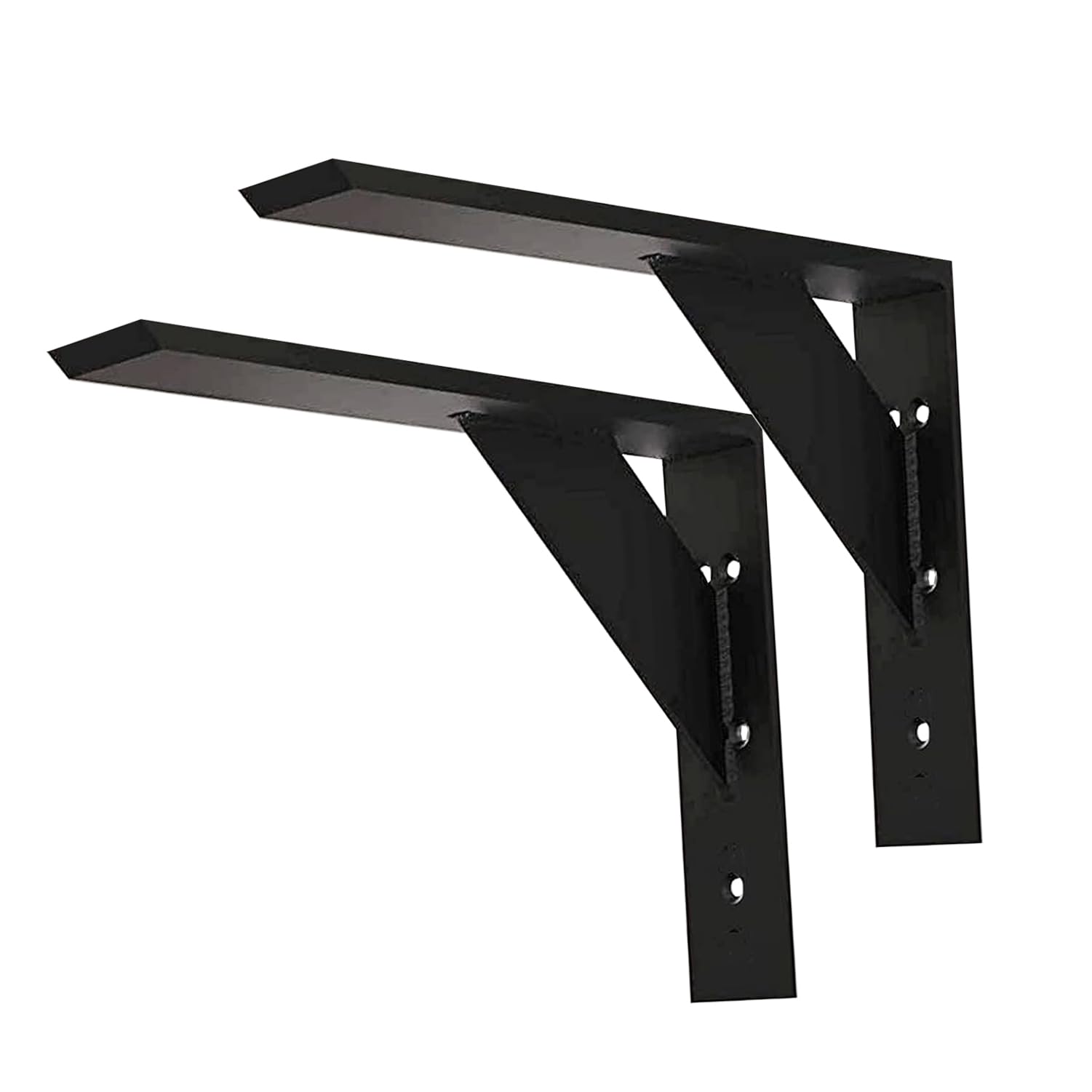
Support brackets reinforce areas where cabinets alone cannot provide adequate support.
Typical applications include:
- Breakfast bars
- Floating worktops
- Waterfall islands
- Large overhangs
- Commercial counters
Brackets help transfer loads safely into the cabinet structure.
Countertop Overhangs
Many modern kitchens feature countertop overhangs for seating.
Without proper support, these areas may become vulnerable to excessive loading.
Support solutions may include:
- Steel brackets
- Hidden supports
- Decorative legs
- Structural frames
The required support depends on the overhang dimensions and the chosen stone.
Sink Areas
Sink cut-outs naturally reduce the amount of supporting material within the countertop.
Professional fabrication ensures:
- Correct reinforcement
- Smooth cut-outs
- Secure sink support
- Even load distribution
This helps minimise stress around the sink opening.
Hob Cut-Outs
Like sink openings, hob cut-outs reduce the amount of remaining stone.
Professional planning ensures:
- Safe spacing
- Adequate reinforcement
- Structural stability
- Correct positioning
This reduces the risk of cracking during everyday use.
Why Digital Templating Helps
Digital templating identifies potential support issues before fabrication begins.
Benefits include:
- Accurate measurements
- Better cabinet assessment
- Improved bracket placement
- Precise fabrication
- Reduced installation adjustments
Planning ahead prevents expensive problems later.
For additional guidance, you can also visit our Knowledge Base for expert insights at knowledge-base.
Where Additional Support Is Usually Required
While most countertop sections are fully supported by cabinets, some designs place greater structural demands on the stone. These areas should always be assessed before fabrication begins.
Additional countertop support in Kenya is commonly required for:
- Breakfast bar overhangs
- Kitchen islands
- Waterfall ends
- Floating vanity tops
- Reception counters
- Commercial serving counters
Proper reinforcement helps distribute weight evenly and reduces the risk of stress-related cracking.
Types of Countertop Support Brackets
The most appropriate support system depends on the countertop design and intended use.
Common solutions include:
Hidden Steel Brackets
Installed beneath the worktop, these provide strong support while remaining invisible after installation.
Best suited for:
- Breakfast bars
- Floating countertops
- Modern minimalist kitchens
Decorative Legs
Visible supports that contribute to the overall kitchen design.
Suitable for:
- Traditional kitchens
- Large islands
- Commercial counters
Steel Frames
Heavy-duty structural frames used where long spans or substantial loads are expected.
Often found in:
- Hotels
- Restaurants
- Office receptions
- Retail counters
Why Stone Thickness Matters
The required level of support varies according to the stone thickness.
Factors considered include:
- Slab thickness
- Countertop span
- Material type
- Cabinet spacing
- Overhang dimensions
Thinner worktops often require more careful structural planning, particularly where unsupported sections are involved.
Cabinet Quality Is Just as Important
Even the strongest stone cannot compensate for poorly constructed cabinetry.
Cabinets should be:
- Securely fixed
- Rigid
- Moisture resistant
- Correctly levelled
- Capable of supporting the stone’s weight
Any movement in the cabinets can transfer stress directly into the countertop.
Avoiding Common Causes of Cracking
Many stone failures are preventable.
The most common causes include:
- Uneven cabinet installation
- Excessive unsupported overhangs
- Inadequate brackets
- Poor sink support
- Structural movement
- Incorrect installation techniques
Professional planning helps eliminate these risks before the worktop is installed.
Support Around Seams
Countertop seams should never become unsupported weak points.
Proper support beneath seams helps:
- Maintain alignment
- Prevent movement
- Reduce stress
- Improve long-term durability
Cabinet divisions often provide ideal structural support beneath seam locations.
What Happens During a Site Assessment?
Before fabrication, experienced installers typically inspect:
- Cabinet alignment
- Floor levels
- Wall condition
- Structural supports
- Appliance locations
- Access for installation
This assessment allows any structural issues to be corrected before the stone is manufactured.
Common Misconceptions
“Stone Is Strong Enough to Support Itself”
Natural stone is extremely strong under compression but is not designed to bridge large unsupported gaps without appropriate reinforcement.
“Support Brackets Ruin the Design”
Modern concealed brackets are engineered to remain virtually invisible while providing substantial structural support.
“Only Heavy Granite Needs Reinforcement”
All premium worktop materials—including marble, quartz, quartzite, and granite—benefit from proper structural support where required.
Questions to Ask Before Installation
Before approving your project, ask your supplier:
- Are my cabinets level enough for stone installation?
- Will additional support brackets be required?
- Is a substrate recommended for this design?
- How will overhangs be reinforced?
- How will sink and hob cut-outs be supported?
- Has a full site assessment been completed?
These questions help ensure the countertop has the structural foundation needed for years of reliable performance.
Clients can also learn more about premium marble collections at marble-manufacturer-kenya, explore our granite range at top-granite-manufacturer-kenya-maruti-mining, discover engineered quartz surfaces at quartz-stone, or browse our completed stone projects at our-works.


Leave a Reply