



Travertine has remained one of the world’s most admired natural stones for centuries, appearing in iconic architecture, luxury villas, elegant hotels, and beautifully landscaped outdoor spaces. Its warm earthy tones, distinctive natural texture, and timeless appeal make it an excellent choice for both traditional and contemporary designs. As more homeowners, architects, and developers seek premium natural finishes, travertine in Kenya is becoming an increasingly popular option for flooring, patios, pool surrounds, feature walls, bathrooms, and outdoor entertainment areas.
Unlike granite or marble, travertine possesses a naturally porous structure created by mineral-rich hot springs. During its geological formation, gases escaping from the stone leave small cavities and voids throughout the material. These natural openings give travertine its unmistakable appearance and are one of the defining characteristics that distinguish it from other natural stones.
Recommended Stone Solutions
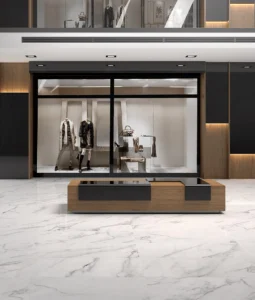
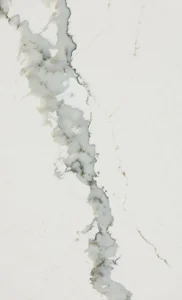
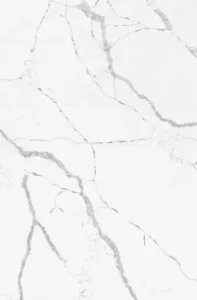
One of the first decisions buyers encounter when choosing travertine in Kenya is whether to specify filled or unfilled slabs. Although both originate from the same natural stone, they differ in texture, appearance, maintenance requirements, and suitability for various applications. Understanding these differences is essential for selecting the most appropriate material for your project.
Travertine also offers remarkable design flexibility. Available in a range of colours, finishes, sizes, and edge profiles, it complements everything from luxury residential developments and boutique hotels to commercial courtyards and contemporary landscape architecture. Whether you are designing a warm Mediterranean-style patio or an elegant interior floor, travertine introduces natural character that improves with age.
At Maruti Mining Limited, we supply premium natural stone solutions for residential, commercial, and hospitality developments across East Africa. Our experienced team helps clients select the ideal stone based on architectural style, intended use, maintenance expectations, and long-term performance.
You can explore the complete collection of premium natural stone available through Maruti Mining Limited and compare travertine alongside granite, marble, quartz, and other architectural surfaces for projects throughout the region.
What Is Travertine?
Travertine is a naturally occurring sedimentary limestone formed when calcium carbonate precipitates from mineral-rich groundwater, particularly around hot springs and limestone caves.
Over thousands of years, mineral deposits accumulate layer upon layer, gradually creating dense stone characterised by distinctive pores, cavities, and subtle linear movement.
These natural geological processes give travertine in Kenya its unique appearance, with no two slabs ever being identical.
Travertine is recognised for its:
- Warm natural colours
- Organic surface texture
- Timeless elegance
- Versatile applications
- Excellent workability
- Architectural character
Its distinctive appearance makes it a favourite among architects seeking natural materials that combine sophistication with warmth.
For additional guidance on selecting natural stone, you can visit our Knowledge Base for expert insights at knowledge-base.
Understanding Filled Travertine
Filled travertine is produced by filling the stone’s natural pores and cavities using specialised fillers, usually colour-matched resin or cement-based compounds.
After filling, the surface is ground and polished or honed to produce a smoother finish.
The result is a surface that offers:
- Greater uniformity
- Easier cleaning
- Reduced moisture retention
- Improved comfort underfoot
- Contemporary appearance
Filled travertine is particularly popular for interior applications where smooth surfaces are preferred.
Common uses include:
- Living room flooring
- Dining areas
- Hotel lobbies
- Commercial interiors
- Bathroom walls
- Kitchen floors
The filled surface creates a refined appearance while preserving the stone’s natural beauty.
Understanding Unfilled Travertine
Unfilled travertine retains its naturally occurring holes and surface texture.
Rather than concealing these geological features, unfilled slabs celebrate the stone’s natural formation.
Characteristics include:
- Visible natural cavities
- Distinctive texture
- Organic appearance
- Authentic character
- Enhanced slip resistance
Many architects choose unfilled travertine for projects where natural texture contributes to the overall design concept.
Its rustic elegance makes it particularly suitable for outdoor applications.
Filled vs Unfilled: Appearance
The visual differences between filled and unfilled travertine influence the overall character of a project.
Filled Travertine
Filled travertine provides:
- Smooth appearance
- Contemporary elegance
- Consistent surface
- Minimal texture
- Refined finish
It integrates beautifully with modern residential interiors and luxury commercial spaces.
Unfilled Travertine
Unfilled travertine offers:
- Organic texture
- Traditional character
- Natural geological expression
- Rustic charm
- Greater surface variation
It is often selected for Mediterranean, Tuscan, and resort-inspired architectural styles.
Where Filled Travertine Works Best
Filled travertine in Kenya performs exceptionally well in interior environments where comfort, ease of cleaning, and refined aesthetics are priorities.
Recommended applications include:
- Living rooms
- Dining areas
- Bedrooms
- Executive offices
- Hotel receptions
- Luxury bathrooms
- Retail interiors
Its smooth surface provides comfortable walking while maintaining the timeless elegance of natural stone.
Where Unfilled Travertine Excels
The naturally textured surface of unfilled travertine makes it particularly suitable for outdoor environments.
Popular applications include:
- Patios
- Pool surrounds
- Garden pathways
- Courtyards
- Outdoor entertainment areas
- Landscape features
The additional texture helps provide improved grip while creating relaxed outdoor spaces that blend beautifully with natural surroundings.
For inspiration, you can also explore our gallery of completed projects at our-works.
Travertine Finishes
Selecting the appropriate finish has a significant influence on both the appearance and performance of travertine in Kenya. The finish determines how the stone reflects light, feels underfoot, and performs in different environments.
The most suitable finish depends on the intended application, architectural style, and maintenance expectations.
Honed Finish
A honed finish is one of the most popular choices for travertine.
It produces a smooth, matte surface that highlights the stone’s natural colours without creating excessive reflection.
Honed travertine is commonly specified for:
- Living room flooring
- Bedrooms
- Hallways
- Bathrooms
- Commercial interiors
Its understated elegance complements both contemporary and traditional interiors.
Polished Finish
Polished travertine creates a glossy surface that enhances colour depth and brings out the stone’s natural movement.
This finish is frequently used for:
- Feature walls
- Reception counters
- Decorative wall panels
- Luxury commercial interiors
Although visually striking, polished travertine is generally less suitable for wet exterior environments because of its smoother surface.
Brushed Finish
Brushed travertine retains more of the stone’s natural texture while creating a comfortable walking surface.
It is particularly suitable for:
- Patios
- Garden walkways
- Outdoor seating areas
- Resort developments
The finish provides a relaxed natural appearance that blends beautifully with landscape architecture.
Tumbled Finish
A tumbled finish softens the edges and surface of the stone to create an aged, weathered appearance.
This finish is popular for:
- Mediterranean-style homes
- Courtyards
- Pool surrounds
- Outdoor entertainment areas
Its timeless character creates warm and inviting outdoor spaces.
Standard Slab Thicknesses
The required slab thickness depends on the structural demands of the project.
20 mm Travertine
This thickness is suitable for:
- Interior flooring
- Bathroom walls
- Wall cladding
- Decorative applications
It provides an excellent balance between structural strength and manageable weight.
30 mm Travertine
Thicker slabs are recommended for:
- Staircases
- Outdoor paving
- Pool coping
- Heavy-use commercial areas
- Custom worktops
The increased thickness enhances durability while creating a more substantial architectural appearance.
Travertine Tile Sizes
In addition to slabs, travertine in Kenya is available in a wide range of tile sizes suitable for different design concepts.
Popular dimensions include:
- 300 × 300 mm
- 400 × 400 mm
- 600 × 300 mm
- 600 × 600 mm
- Large-format custom panels
Larger formats create fewer grout joints and produce a cleaner contemporary appearance, while smaller tiles often suit more traditional architectural styles.
Why Travertine Is Ideal for Outdoor Living
Travertine has become one of the most popular natural stones for outdoor environments because it combines beauty with practical performance.
Its natural texture and comfortable surface temperature make it particularly suitable for warm climates.
Outdoor applications include:
- Patios
- Swimming pool surrounds
- Garden paths
- Outdoor kitchens
- Courtyards
- Terrace flooring
Unlike many darker paving materials, lighter-coloured travertine absorbs less heat from direct sunlight, helping create more comfortable outdoor spaces.
Sealing Travertine
Professional sealing is an important part of maintaining travertine in Kenya.
Because travertine is naturally porous, sealing helps minimise moisture absorption and simplifies routine maintenance.
Benefits of sealing include:
- Improved stain resistance
- Easier cleaning
- Reduced moisture penetration
- Enhanced long-term durability
The recommended sealing schedule depends on:
- Installation location
- Surface finish
- Frequency of use
- Exposure to weather
Outdoor installations generally require more regular inspection than interior applications.
Factors Affecting the Cost of Travertine in Kenya
The total investment in travertine in Kenya depends on a variety of project-specific factors rather than a fixed price per slab.
These factors include:
- Stone grade
- Colour
- Slab dimensions
- Thickness
- Finish
- Filled or unfilled specification
- Fabrication requirements
- Installation complexity
- Transportation
Understanding these variables enables homeowners and developers to compare quotations more effectively.
Filled vs Unfilled: Which Offers Better Value?
Neither option is universally better.
The most appropriate choice depends on the intended application.
Filled travertine generally provides:
- Easier maintenance
- Smooth walking surface
- Contemporary appearance
- Simpler cleaning
Unfilled travertine offers:
- Authentic natural texture
- Rustic character
- Enhanced slip resistance
- Traditional architectural appeal
Selecting the correct option ensures the finished project performs as expected while achieving the desired aesthetic.
Travertine Compared with Marble
Travertine and marble are both natural limestone-based materials, yet they create very different architectural impressions.
Travertine typically offers:
- Earthy colours
- Natural texture
- Organic appearance
- Relaxed character
Marble provides:
- Elegant veining
- Refined luxury
- Smooth crystal structure
- Formal architectural style
Clients interested in premium marble can also learn more about marble options at marble-manufacturer-kenya.
Travertine Compared with Granite
Granite is considerably harder than travertine and is commonly selected for heavy-duty worktops and high-impact applications.
Travertine excels where warmth, texture, and natural character are the primary design objectives.
Granite generally provides:
- Exceptional hardness
- Superior scratch resistance
- Dense crystal structure
Travertine offers:
- Softer appearance
- Natural texture
- Warm architectural character
Clients comparing these premium natural stones can also explore our extensive collection of granite at top-granite-manufacturer-kenya-maruti-mining.
Professional Fabrication and Installation
The long-term performance of travertine in Kenya depends not only on the quality of the stone but also on the precision of its fabrication and installation. Travertine is easier to shape than many harder natural stones, allowing fabricators to create bespoke architectural features with exceptional accuracy.
Professional fabrication begins with careful planning to maximise the beauty of every slab. Natural colour transitions, bedding lines, and surface movement are considered before cutting to ensure the finished installation achieves a balanced and visually appealing appearance.
Fabrication services typically include:
- Digital templating
- Precision cutting
- Edge profiling
- Surface finishing
- Custom sizing
- Quality inspection
Where multiple slabs are required, experienced fabricators carefully arrange the stone to maintain visual continuity throughout the installation.
Professional installation is equally important. Proper substrate preparation, accurate levelling, and suitable adhesives ensure that the travertine remains structurally secure while preserving its natural beauty for many years.
Caring for Travertine
Although travertine in Kenya is exceptionally durable, regular maintenance helps preserve its natural appearance and extend its lifespan.
Fortunately, routine care is straightforward when the correct products and techniques are used.
Regular Cleaning
Dust and surface dirt should be removed using a soft broom, microfibre mop, or damp cloth.
Stone-safe cleaning products are recommended because they clean effectively without affecting the natural finish.
Wipe Spills Quickly
Travertine is naturally porous, making prompt cleaning particularly important.
Liquids such as:
- Coffee
- Tea
- Fruit juice
- Cooking oil
- Wine
should be removed as soon as possible to minimise the possibility of staining.
Periodic Resealing
Professional resealing helps maintain protection against moisture and everyday contaminants.
The appropriate resealing schedule depends on:
- Interior or exterior installation
- Surface finish
- Level of foot traffic
- Exposure to weather
Outdoor installations may require more frequent inspection because of environmental conditions.
Avoid Harsh Cleaning Products
To preserve the finish of travertine, avoid cleaners containing:
- Strong acids
- Bleach
- Abrasive powders
- Harsh chemical solvents
These products may gradually damage the surface or reduce the effectiveness of protective sealers.
Common Misconceptions About Travertine
Several misconceptions often discourage homeowners from considering travertine in Kenya, despite its outstanding architectural qualities.
“Travertine Is Too Fragile”
Travertine has been used in monumental architecture for centuries.
When professionally installed and properly maintained, it provides decades of reliable service in both residential and commercial environments.
“Filled Travertine Is Artificial”
Filled travertine remains completely natural stone.
The filling process simply stabilises naturally occurring surface cavities to create a smoother and more practical finish for specific applications.
“Travertine Is Only Suitable Outdoors”
Although patios and pool surrounds remain popular applications, travertine performs beautifully indoors as well.
It is widely used for:
- Living rooms
- Bathrooms
- Hallways
- Bedrooms
- Hotel interiors
- Commercial reception areas
“Every Travertine Tile Should Look Identical”
Natural variation is one of travertine’s greatest strengths.
Differences in:
- Colour
- Mineral movement
- Surface texture
- Natural cavities
are authentic geological characteristics that ensure every installation is unique.
Why Architects Continue to Specify Travertine
Architects appreciate travertine in Kenya because it introduces warmth and timeless elegance while remaining highly versatile.
Its advantages include:
- Natural beauty
- Distinctive texture
- Wide range of finishes
- Indoor and outdoor suitability
- Excellent design flexibility
- Lasting architectural appeal
Travertine works particularly well in projects inspired by Mediterranean, contemporary, resort, and classical architectural styles.
Its ability to blend naturally with timber, glass, steel, concrete, and landscaped environments makes it one of the most adaptable natural stones available.
Why Choose Maruti Mining Limited
Selecting the right supplier is essential when investing in premium natural stone. At Maruti Mining Limited, we combine carefully sourced materials with expert fabrication and professional guidance to help clients achieve exceptional architectural results.
Our comprehensive services include:
- Premium travertine sourcing
- Professional slab selection
- Precision fabrication
- CNC cutting
- Surface finishing
- Installation support
- Technical consultation
We work closely with homeowners, architects, contractors, developers, and interior designers to ensure every project benefits from quality materials and outstanding craftsmanship.
Whether you are planning elegant interior flooring, luxurious pool surrounds, bespoke staircases, or outdoor entertainment areas, our experienced team provides expert support from material selection through to final installation.
Clients can also visit our Knowledge Base for expert insights at knowledge-base, explore our gallery of completed projects at our-works, or contact our team for project consultation at contact-us to discuss their upcoming natural stone projects.
Conclusion
Travertine in Kenya continues to grow in popularity because it combines timeless architectural beauty with remarkable versatility. Whether specified as filled or unfilled, travertine introduces natural warmth, distinctive texture, and enduring character that enhance both residential and commercial developments.
Filled travertine offers a smoother, more refined surface that is ideal for contemporary interiors, luxury living spaces, hotel lobbies, and commercial environments where ease of maintenance is important. Unfilled travertine celebrates the stone’s natural geological character, making it particularly suitable for patios, pool decks, courtyards, and landscape architecture where texture and authenticity are desired.
Available in a variety of finishes, slab sizes, and thicknesses, travertine adapts effortlessly to flooring, wall cladding, staircases, outdoor paving, and decorative architectural features. With professional sealing, precision fabrication, and expert installation, it delivers exceptional performance while maintaining its distinctive appearance for many years.
By understanding the differences between filled and unfilled travertine, selecting the appropriate finish, and working with experienced natural stone specialists, homeowners and developers can confidently create elegant spaces that combine functionality with timeless sophistication.
Bring Your Vision to Life in Stone
Imagine a space defined by elegance, durability, and timeless beauty. At Maruti Mining Limited, we transform your vision into reality with the finest selection of granite, marble, and quartz, backed by expert fabrication and installation.
Contact our team for a consultation and let’s create a legacy set in stone.
CUSTOM FABRICATION & INSTALLATION ACROSS EAST AFRICA
✔ Premium Collection of Over 80 Stone Varieties
✔ Expert Cutting, Polishing & Installation
✔ Free Project Consultation & Quote
✔ Serving Kenya (Nairobi, Nakuru, Mombasa), Uganda, Tanzania, Rwanda & beyond.
Request Your Free Consultation
Maruti Mining Limited
Email: [email protected]
Phone: +254 736 701 174 | +254 728 789 164 | +254 733 519 836
You May Also Like

Visit Us: Nairobi, Kenya
Website: https://marutimining.com/
Leave a Reply