



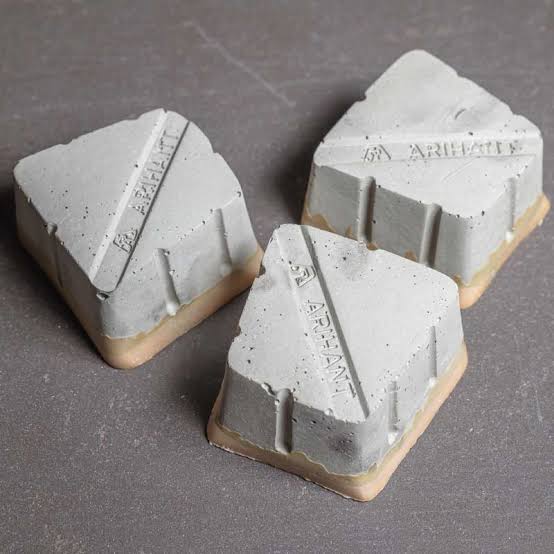
Terrazzo is a composite surface made by combining decorative materials such as marble chips, granite fragments, quartz or glass with a cement-based or resin-based binder. Once the surface has cured, grinding and polishing reveal the decorative aggregates and create the desired finish.
Over time, terrazzo floors can develop scratches, dull patches, uneven areas, stains and worn sections. A suitable grinding and polishing process can improve the appearance of the floor, but the result depends on the condition of the surface, the equipment used and the abrasives selected.
Recommended Stone Solutions

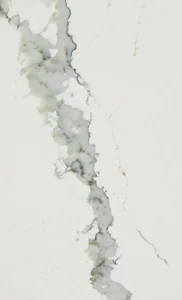
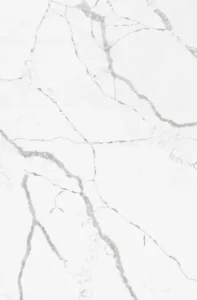
This is where terrazzo grinding stones, diamond grinding discs and polishing pads become important.
These tools perform different jobs. Grinding discs help remove material and correct surface imperfections. Grinding stones are used for grinding and refining compatible surfaces, depending on their design. Polishing pads progressively refine the surface to achieve a smoother finish and the desired level of shine.
Using the correct tool at each stage helps avoid unnecessary material removal, uneven results and deep scratches that are difficult to remove later.
What Are Terrazzo Grinding Stones?
Terrazzo grinding stones are abrasive tools used in surface preparation, grinding and refinishing. Their construction and abrasive composition determine how aggressively they remove material and which machines or surfaces they are suitable for.
They may be used during work such as:
Removing minor surface irregularities
Refining a previously ground surface
Preparing terrazzo for further polishing
Restoring worn or dull sections
Working on compatible marble and terrazzo surfaces
Not every grinding stone is suitable for every terrazzo floor. The correct selection depends on the abrasive type, grit, tool dimensions, machine compatibility and condition of the surface.
When sourcing terrazzo grinding stones, ask the supplier to confirm the intended application and the equipment with which the product can be used.
Terrazzo Grinding Discs: What Do They Do?
A terrazzo grinding disc is a circular abrasive tool fitted to a compatible floor grinder or other suitable grinding machine. Many professional grinding discs use diamond abrasive segments to remove surface material efficiently.
They are commonly used for:
Initial surface grinding
Removing old coatings where the disc is suitable
Correcting uneven sections
Removing surface imperfections
Preparing the floor for finer grinding and polishing
The design of the disc affects its performance. Some discs have segmented working surfaces, while others use different abrasive arrangements depending on the machine and application.
Maruti Mining lists a Terrazzo Grinding Disc for surface preparation, levelling and refinishing of terrazzo and stone-based surfaces. The product page describes diamond abrasive segments and different grit options. Confirm the current available sizes and specifications before ordering.
You can view the Terrazzo Grinding Disc on Maruti Mining’s website.
Terrazzo and Marble Polishing Stones Explained
Grinding and polishing stones are selected according to the material being treated and the finish required. Some are intended for material removal, while others are used for refining or polishing compatible surfaces.
The term polishing stone can refer to different abrasive products, so it is important to establish exactly what a supplier is offering.
Before buying, check:
Whether the product is intended for terrazzo, marble or both
Its grit or abrasive grade
Its dimensions and mounting arrangement
The machine type it is designed for
Whether it is intended for wet or dry use
The stage of the grinding or polishing process for which it is recommended
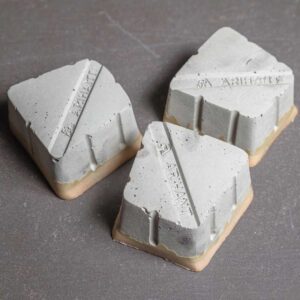
Maruti Mining lists Terrazzo/Marble Polishing Stones in its tools range. If you need terrazzo grinding stones for a restoration project, ask the team to confirm which listed product matches your floor and machine.
You can also explore the Terrazzo/Marble Polishing Stones listing in Maruti Mining’s tools category.
What Are Terrazzo Polishing Pads?
Polishing pads are abrasive accessories used to refine a surface after the initial grinding stages. They are available in different abrasive types and grit grades, with each stage designed to remove the marks left by the previous, coarser stage.
Depending on the system, polishing pads may be used for:
Fine grinding
Honing
Progressive surface refinement
Achieving a matte, satin or polished appearance
Final polishing
Diamond resin pads are commonly used in professional stone-finishing systems. However, the correct pad depends on the floor material, machine, bonding system and whether wet or dry polishing is specified.
Maruti Mining lists Polishing Pads in its tools category. Check the product’s specifications and compatibility before selecting a set.
View Polishing Pads from Maruti Mining.
Grinding Discs, Grinding Stones and Polishing Pads: What Is the Difference?
Although these tools may be used during the same restoration project, they are not interchangeable.
| Tool | Main purpose | Typical stage |
|---|---|---|
| Terrazzo grinding disc | Removes material and helps level the surface | Initial and intermediate grinding |
| Terrazzo grinding stone | Grinds or refines compatible terrazzo and stone surfaces | Depends on product and abrasive grade |
| Polishing pad | Smooths and refines the surface progressively | Honing and final polishing |
The important point is to match the abrasive to the work being done. A coarse grinding disc is not a substitute for a fine polishing pad, and a polishing pad should not be expected to correct a badly uneven floor.
Understanding Grit Sizes
Grit refers to the relative coarseness or fineness of an abrasive. In general, a lower grit number indicates a coarser abrasive, while a higher grit number indicates a finer abrasive.
The exact grit sequence depends on the terrazzo, machine, abrasive system and condition of the floor. A professional system may use a sequence such as:
| Stage | Illustrative grit range | Purpose |
|---|---|---|
| Initial grinding | 46–70 | Remove material and correct surface irregularities |
| Fine grinding | 100–120 | Refine the surface and remove earlier grinding marks |
| Honing | 220–400 | Smooth the surface and prepare it for polishing |
| Polishing | 800–1800 | Develop the selected finish |
These figures are an example of one wet-grinding system, not a universal specification for every terrazzo floor. Some floors need fewer stages, while damaged or uneven floors may require additional preparation. Always follow the abrasive manufacturer’s instructions and the recommendations for the specific machine.
media.granquartz.com+2
How to Grind and Polish a Terrazzo Floor
A successful terrazzo restoration follows a progressive process. Each stage prepares the floor for the next one.
1. Inspect the Floor Before Grinding
Start by checking the condition of the terrazzo.
Look for:
Cracks and loose sections
Deep scratches
Uneven areas and lippage
Missing or damaged aggregate
Old coatings, wax or sealers
Stains and discoloured patches
This assessment helps determine whether the floor needs minor polishing or more extensive restoration.
Cracks, loose sections and missing chips may need repair before grinding begins. Grinding over an unstable or damaged area can make the problem worse.
2. Clean and Prepare the Working Area
Remove furniture, loose dirt and debris. Protect nearby walls, fittings and surfaces from slurry and splashes.
Check the grinding machine, water supply where applicable, electrical connections and abrasive attachments. Make sure the selected disc or stone fits the machine correctly.
The operator should use suitable personal protective equipment, including eye, hearing and respiratory protection as required by the equipment and working conditions.
3. Carry Out the Initial Grinding
The first grinding stage removes surface irregularities and prepares the terrazzo for refinement.
A compatible coarse diamond grinding disc may be used where substantial material removal is required. The correct grit depends on how uneven or damaged the floor is.
For example, a floor with deep scratches and uneven sections may need more initial grinding than a relatively flat floor that only has a dull finish.
Do not start with an unnecessarily aggressive abrasive. Excessive material removal can expose more aggregate than intended or damage the floor.
4. Repair Voids and Fill Missing Areas Where Necessary
Grinding may reveal small holes, pinholes or voids in the terrazzo. These may need to be filled before the finer grinding stages.
The repair material should be compatible with the terrazzo binder and aggregate. Allow it to cure according to the product instructions before continuing.
Some cementitious terrazzo systems also use a densifier during the restoration process. Whether this is appropriate depends on the floor composition and the specified polishing system.
5. Continue With Fine Grinding
After the initial grinding and any necessary repairs, move to a finer abrasive.
The purpose is to remove the scratches left by the coarser tool and create a more uniform surface. Work progressively rather than jumping straight from a coarse disc to a fine polishing pad.
This is where selecting suitable terrazzo grinding stones and intermediate abrasives becomes important. The correct product helps prepare the surface for honing without leaving deep scratches behind.
6. Hone the Terrazzo Surface
Honing refines the surface after grinding. Depending on the system, resin-bond diamond pads or other compatible abrasives may be used.
The floor gradually becomes smoother and more consistent. Honing also prepares it for the final polishing stages.
Inspect the surface between stages. If scratches from the previous abrasive remain, continuing to a finer pad may not remove them effectively. Return to the appropriate earlier stage where necessary.
7. Polish to the Required Finish
Polishing develops the final appearance of the terrazzo.
The selected pads and polishing system determine whether the finish is matte, satin or high-gloss. Not every project needs a mirror-like finish. A commercial floor, for example, may have different maintenance and slip-resistance requirements from a decorative residential floor.
Use the polishing pads in the recommended sequence and follow the manufacturer’s instructions for speed, pressure and wet or dry operation.
8. Clean and Apply a Suitable Sealer if Required
Remove slurry and abrasive residue. Clean the floor using a product suitable for the terrazzo system.
Allow the surface to dry as required before applying a compatible sealer. Follow the sealer manufacturer’s directions for application, drying and maintenance.
Sealing requirements vary. Do not assume that every terrazzo floor needs the same sealer or treatment.
Wet Grinding vs Dry Grinding: Which Should You Use?
The choice between wet and dry grinding depends on the machine, abrasive product, floor material and working environment.
| Consideration | Wet grinding | Dry grinding |
|---|---|---|
| Dust management | Water helps control airborne dust | Requires suitable dust extraction |
| Cooling | Water helps cool the abrasive and surface | Depends on tool design and dust-control system |
| Waste | Produces slurry that must be collected | Produces dust that must be captured |
| Compatibility | Only use tools rated for wet operation | Only use tools rated for dry operation |
| Site requirements | Requires water management and safe slurry disposal | Requires effective dust extraction and suitable respiratory protection |
Some terrazzo polishing systems specify wet grinding throughout the process. Others permit particular tools to be used dry. Never assume that a disc or pad can be used in either condition.
For example, one professional terrazzo polishing guide specifies wet grinding for its metal-bond discs, wet honing with resin pads and subsequent polishing stages. This is a system-specific procedure, not an instruction to use every abrasive wet.
media.granquartz.com+1
How to Choose the Right Terrazzo Grinding Stones in Kenya
Choosing the right abrasive is not simply about selecting the lowest price. The product must suit the floor, the machine and the stage of restoration.
Consider these factors before buying.
1. Identify the Floor Material
Confirm whether the surface is cementitious terrazzo, resin terrazzo, marble or another stone-based material. Different surfaces can require different abrasive systems.
2. Confirm the Grinding Machine
Check the machine’s make and model, disc diameter, mounting system and operating requirements.
A disc that does not fit correctly can affect performance and create a safety risk.
3. Select the Correct Abrasive Grade
Identify whether you need coarse grinding, fine grinding, honing or polishing. Ask the supplier to recommend the appropriate grade for that stage.
4. Check Wet or Dry Compatibility
Confirm whether the product is designed for wet use, dry use or both. Follow the manufacturer’s instructions rather than making assumptions based on the appearance of the tool.
5. Consider the Condition of the Floor
A worn floor may need a different sequence from a newly installed surface. Deep scratches, uneven areas, old coatings and repairs all affect the tools required.
6. Compare Product Specifications
Before ordering, ask for the product dimensions, abrasive type, compatible machines and recommended application.
When purchasing terrazzo grinding stones, make sure you are comparing products with similar specifications rather than relying on product names alone.
Common Mistakes to Avoid When Grinding Terrazzo
Even good-quality abrasives can produce poor results if they are used incorrectly.
Starting with an abrasive that is too coarse: This can remove more material than necessary and expose too much aggregate.
Skipping grit stages: Moving too quickly to finer abrasives can leave scratches visible in the finished floor.
Using incompatible discs or pads: Incorrect mounting or unsuitable machine compatibility can affect performance and safety.
Using the wrong grinding method: Wet and dry tools are not automatically interchangeable.
Ignoring repairs: Grinding over cracks, loose sections or unfilled voids can compromise the finish.
Applying too much pressure: Excessive pressure may create uneven grinding, damage the surface or shorten tool life.
Failing to collect slurry or dust: Poor housekeeping creates avoidable site hazards and can interfere with the finishing process.
Choosing a finish without considering the application: A glossy finish may look attractive, but the intended use, cleaning routine and slip resistance should also be considered.
Where to Buy Terrazzo Grinding Stones, Discs and Pads in Kenya
When sourcing terrazzo grinding stones in Kenya, look for a supplier who can help you identify the correct abrasive for your machine and application.
Maruti Mining Limited lists several relevant products in its tools range, including:
The company also lists other stone-working tools and consumables. Availability, sizes and specifications should be confirmed before ordering.
When contacting the supplier, provide the floor material, machine model, required disc or pad dimensions and the type of work you intend to carry out. If possible, share photographs of the floor and the existing abrasive attachment.
This makes it easier to identify a suitable product and avoid ordering an incompatible tool.
Conclusion: Match the Abrasive to the Terrazzo Work
Grinding and polishing terrazzo requires a sequence of compatible tools. Grinding discs handle initial material removal and surface preparation, grinding stones support suitable grinding and refinement tasks, while polishing pads help achieve the required final finish.
The most important decision is to match the abrasive grade, machine and grinding method to the actual floor condition. A carefully planned process can improve the appearance of terrazzo while avoiding unnecessary material removal.
If you are sourcing terrazzo grinding stones, grinding discs or polishing pads in Kenya, compare the product specifications and confirm compatibility before ordering from Maruti Mining.
Frequently Asked Questions
What are terrazzo grinding stones used for?
Terrazzo grinding stones are abrasive tools used for grinding and refining compatible terrazzo and stone surfaces. Their exact purpose depends on the abrasive type, grit, design and machine compatibility.
What is the difference between terrazzo grinding stones and grinding discs?
Grinding stones and grinding discs are both abrasive tools, but their design, mounting system and intended applications can differ. A grinding disc is typically a circular attachment used with a compatible machine, while grinding stones may have different shapes and constructions. Always check the product specifications.
What grit should I use for terrazzo grinding?
The correct grit depends on the floor condition and the abrasive system. Coarser grades are generally used for initial grinding, followed by finer grades for honing and polishing. Follow the tool manufacturer’s recommended sequence.
Can I use diamond polishing pads on terrazzo?
Yes, diamond polishing pads are used in many professional terrazzo finishing systems. The pads must be compatible with the terrazzo type, machine and wet or dry polishing method.
Should terrazzo be ground wet or dry?
This depends on the abrasive and machine. Some professional systems specify wet grinding, while other products are designed for dry use with suitable dust extraction. Follow the manufacturer’s instructions.
How do I choose terrazzo grinding stones in Kenya?
Check the floor material, machine compatibility, abrasive grade, dimensions and wet or dry requirements. Ask the supplier to confirm the correct product for your specific restoration task.
You May Also Like
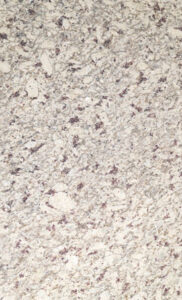


Can old terrazzo floors be polished again?
Many old terrazzo floors can be restored through cleaning, repairs, grinding and polishing. The suitable process depends on the floor’s thickness, condition, existing damage and previous treatments. A professional assessment helps determine what is possible.
Where can I buy terrazzo grinding discs and polishing stones in Kenya?
Maruti Mining lists terrazzo grinding discs, terrazzo and marble polishing stones, and polishing pads in its tools range. Contact the company to confirm current stock, sizes, specifications and pricing.


Leave a Reply