


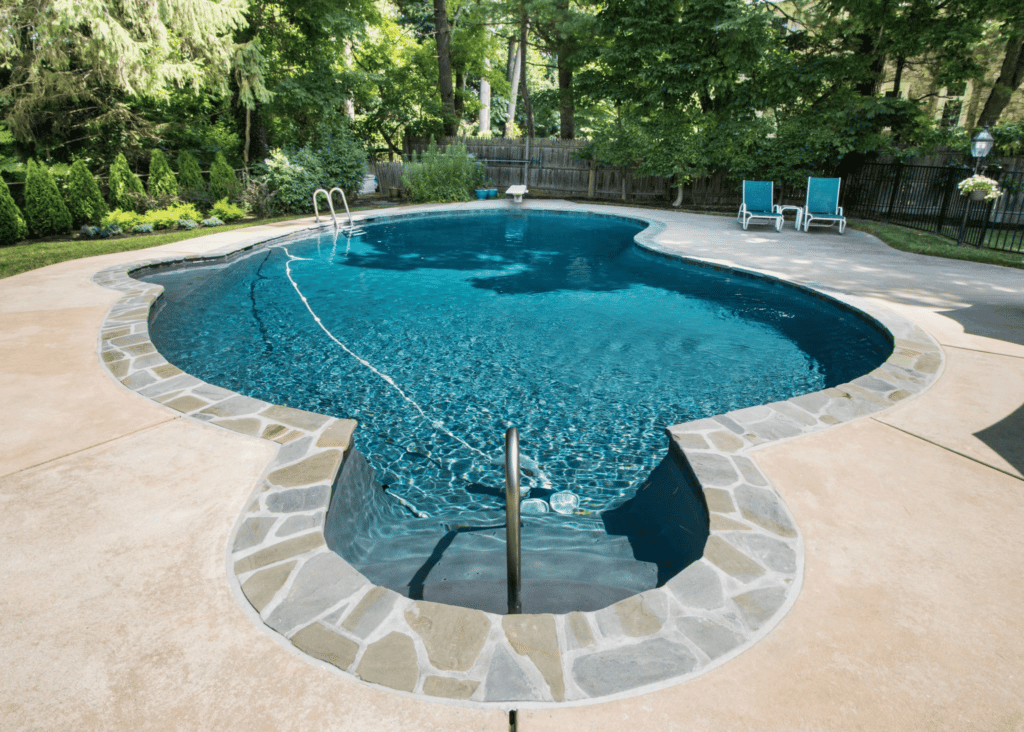
A swimming pool is more than the water it contains. The finish around the edge plays a major role in safety, durability, comfort, and appearance. Choosing the right pool coping stone in Kenya helps create a pool that remains attractive despite constant exposure to water, chlorine, sunlight, changing temperatures, and heavy foot traffic.
Pool coping is the protective cap installed around the perimeter of a swimming pool. It finishes the edge, protects the pool shell, directs splash water away from surrounding paving, and provides a comfortable surface for people entering or leaving the water. Because coping is constantly exposed to wet feet, cleaning chemicals, UV radiation, and outdoor weather, not every stone is suitable.
Recommended Stone Solutions


Kenya’s climate presents additional challenges. Pools in Nairobi experience cool nights and warm daytime temperatures, while coastal regions such as Mombasa, Diani, Watamu, and Malindi combine intense sunlight with salt-laden air and high humidity. The coping material must therefore withstand environmental conditions without becoming dangerously slippery, excessively hot, or prone to premature deterioration.
Granite, travertine, and porcelain are among the most popular coping materials because each offers a different balance of appearance, durability, maintenance, and cost. The best option depends on the intended use of the pool, the surrounding landscape, maintenance expectations, and the desired architectural style.
This guide explains how to choose the best pool coping stone in Kenya, compares the leading materials, and outlines the key performance factors that every homeowner, architect, hotel operator, and contractor should consider before installation.
At Maruti Mining Limited, we help clients select premium natural stone solutions that combine beauty, safety, and long-term outdoor performance.
Explore premium natural stone collections from Maruti Mining Limited at marutimining.
What Is Pool Coping?
Pool coping stone in Kenya refers to the stone installed around the top edge of a swimming pool, where the pool structure meets the surrounding deck.
It performs several important functions:
- Protects the pool edge
- Covers exposed structural joints
- Directs water away from the pool
- Provides a comfortable walking surface
- Creates a finished architectural appearance
Good coping is both functional and decorative.
Why Material Selection Matters
Pool coping experiences constant exposure to:
- Chlorinated water
- UV radiation
- Rain
- Temperature changes
- Bare feet
- Cleaning chemicals
The chosen material should maintain its appearance and performance despite these demanding conditions.
Granite Pool Coping
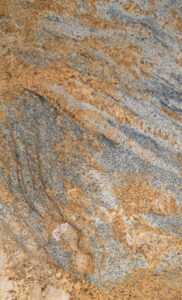
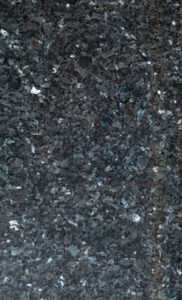
Granite is one of the most durable options for pool coping stone in Kenya.
Its advantages include:
- Excellent strength
- Low water absorption
- High scratch resistance
- UV stability
- Long service life
Textured or flamed granite finishes also provide excellent slip resistance around swimming pools.
Travertine Pool Coping
Travertine remains popular because of its natural appearance and comfortable surface temperature.
Benefits include:
- Elegant natural colours
- Cooler feel under bare feet
- Timeless appearance
- Good outdoor performance when properly sealed
Routine maintenance helps preserve its beauty over time.
Porcelain Pool Coping
Porcelain has become increasingly popular for contemporary pool designs.
Advantages include:
- Very low water absorption
- UV resistance
- Consistent colour
- Easy maintenance
- Wide variety of finishes
Many porcelain products are manufactured with textured anti-slip surfaces.
Why Slip Resistance Is Essential
Safety should always be the highest priority.
Around swimming pools, coping should provide reliable grip even when wet.
Surface finish influences slip resistance more than colour or pattern.
Textured finishes generally perform better than highly polished surfaces.
Heat Resistance and Bare Feet
Pool surrounds spend long periods in direct sunlight.
A good coping material should remain comfortable for barefoot users.
Material colour, finish, and density all influence how much heat is absorbed during the day.
Chlorine and Chemical Resistance
Swimming pools are regularly treated with:
- Chlorine
- Salt systems
- Cleaning chemicals
- Water balancing products
Choosing durable coping helps minimise surface deterioration caused by long-term chemical exposure.
Common Myths About Pool Coping
Myth: Any outdoor stone can be used around a swimming pool.
Reality: Pool environments require materials that provide slip resistance, weather durability, and resistance to moisture and chemicals.
Myth: Polished stone is the best choice.
Reality: Highly polished surfaces may become slippery when wet. Textured finishes are generally safer for coping.
Myth: Coping is purely decorative.
Reality: Coping protects the pool structure, improves drainage, and enhances user safety while completing the overall design.
For more expert natural stone guidance, visit the Maruti Mining Knowledge Base at knowledge-base.
Choosing the Best Pool Coping Stone in Kenya
The best pool coping stone in Kenya balances safety, durability, comfort, and appearance. Every swimming pool is different, and the ideal material depends on climate, maintenance expectations, architectural style, and how frequently the pool is used.
Whether designing a private residence, hotel, apartment complex, or resort, coping should be selected with long-term performance in mind.
Granite for High-Traffic Pools
Granite is widely specified for both residential and commercial swimming pools because of its exceptional durability.
It is particularly suitable for:
- Hotels
- Resorts
- Public swimming pools
- Apartment developments
- Luxury homes
Granite offers:
- Excellent abrasion resistance
- Low water absorption
- UV stability
- Long service life
- Strong resistance to everyday wear
A flamed or bush-hammered finish provides additional grip in wet conditions.
Travertine for Luxury Residential Pools
Travertine remains one of the most popular choices for elegant outdoor spaces.
Many homeowners appreciate its:
- Soft natural colours
- Timeless appearance
- Comfortable surface under bare feet
- Mediterranean-inspired aesthetic
When properly sealed and maintained, travertine performs well around swimming pools.
Porcelain for Contemporary Designs
Porcelain coping has become increasingly common in modern architecture.
Its advantages include:
- Uniform appearance
- Minimal maintenance
- Excellent UV resistance
- Low moisture absorption
- Colour consistency
Textured porcelain also provides dependable slip resistance around wet areas.
Which Finish Is Safest?
Surface finish has a greater impact on safety than the stone itself.
Recommended finishes include:
- Flamed granite
- Bush-hammered granite
- Honed stone
- Textured porcelain
- Naturally textured travertine
Highly polished finishes are generally avoided around pool edges because they become more slippery when wet.
Pool Coping Profiles
The edge profile affects both appearance and comfort.
Popular options include:
- Square edge
- Pencil round
- Bullnose
- Drop face
- Rebated coping
The appropriate profile depends on the pool design and surrounding paving.
Why Proper Drainage Matters
Even the highest-quality coping performs poorly if water is allowed to collect around the pool.
Good installation includes:
- Correct falls
- Effective drainage
- Proper expansion joints
- Secure bedding
- Stable substrates
Removing standing water improves both safety and long-term durability.
Maintenance of Pool Coping
Routine care helps preserve the appearance of natural stone.
Maintenance includes:
- Washing with clean water
- Using pH-neutral stone cleaners
- Removing sunscreen and body oils promptly
- Resealing natural stone when required
- Inspecting joints periodically
Consistent maintenance extends the life of the installation.
Questions to Ask Before Choosing Pool Coping
Before selecting your coping material, ask:
- Is this stone suitable for swimming pools?
- Which finish provides the best slip resistance?
- Does it become excessively hot in direct sunlight?
- Does it require sealing?
- How should it be cleaned?
- Which edge profile is recommended?
These questions help ensure the finished pool is both safe and visually appealing.
Why Viewing Full Slabs Is Important
Natural stone varies from slab to slab.
Viewing full slabs allows you to evaluate:
- Colour variation
- Veining
- Surface texture
- Finish quality
- Overall consistency
This helps ensure the coping complements the surrounding paving and overall landscape design.
Clients can also explore premium granite collections at top-granite-manufacturer-kenya-maruti-mining, discover elegant marble collections at marble-manufacturer-kenya, browse engineered quartz surfaces at quartz-stone, or view completed outdoor stone projects at our-works.
Leave a Reply