


Choosing natural stone for a construction or renovation project is an investment in the appearance, durability and value of your property. Whether you are finishing a residential home, upgrading a commercial building or designing a modern kitchen, marble and granite tiles offer attractive options for floors, walls, stairs and other architectural features.
However, choosing the right stone involves more than selecting a colour. You need to consider the marble tiles price in Kenya, the intended application, available sizes, surface finish, installation requirements and long-term maintenance.
Recommended Stone Solutions

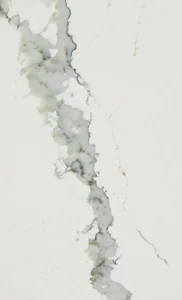
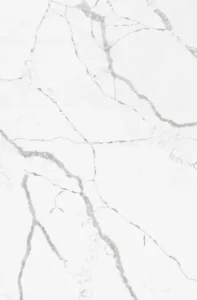
Marble is popular for its elegant appearance, distinctive veining and luxurious finish. Granite is valued for its strength, resistance to everyday wear and suitability for demanding applications. Travertine provides another natural stone option for projects that require warm, earthy colours and a distinctive textured appearance.
This guide explains how these materials compare, what influences their prices in Kenya, where to use each type and what to consider before requesting a quotation from a natural stone supplier.
1. Understanding Marble, Granite and Travertine Tiles
Natural stone tiles are cut from quarried stone and processed into different shapes, thicknesses and finishes. Unlike printed ceramic tiles, every natural stone piece has its own mineral patterns, colour variations and characteristics.
Understanding these differences helps you select a material that suits your budget and project requirements.
Marble Tiles
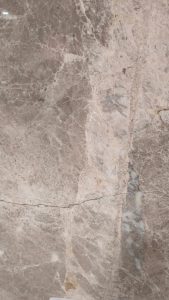
Marble is a metamorphic natural stone formed when limestone undergoes heat and pressure. It is recognised for its distinctive veins, smooth appearance and variety of colours.
Common marble varieties include:
Carrara marble: White or light grey with delicate grey veining.
Calacatta marble: A premium white marble with more pronounced grey or gold veins.
Crema Marfil: A cream-coloured marble with subtle natural patterns.
Emperador marble: Available in dark and light brown shades.
Statuario marble: A premium white marble with dramatic veining.
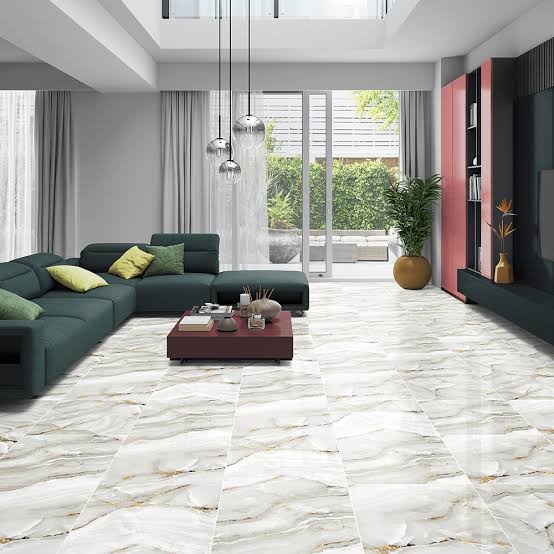
Marble is particularly suitable for indoor flooring, bathroom walls, decorative walls, staircases and selected countertop applications.
Its main consideration is maintenance. Marble can be scratched or etched by acidic substances, so it requires suitable cleaning products, sealing and appropriate care.
Granite Tiles
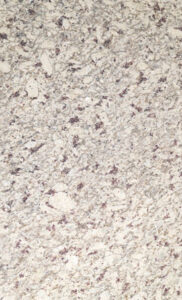
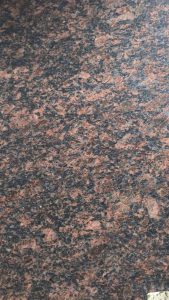
Granite is an igneous natural stone formed through the cooling of molten rock. It contains hard mineral crystals, giving it excellent resistance to everyday wear.
Granite is available in several colours, including:
Black
Grey
White
Pink
Brown
Blue
Green
Granite tiles are suitable for busy floors, kitchen surfaces, staircases, outdoor steps and commercial spaces.
Compared with marble, granite generally offers better resistance to scratching and acidic household substances. It is therefore a practical option for areas that experience frequent use.
Travertine Tiles
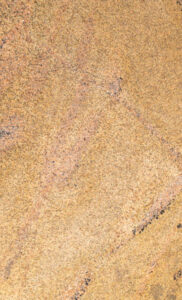
Travertine is a sedimentary limestone formed around mineral springs. It is recognised by its natural pores, earthy colours and distinctive surface texture.
Common travertine colours include beige, ivory, cream, walnut and light brown.
Travertine works well in:
Interior floors.
Bathroom walls and floors.
Courtyards.
Patios.
Decorative feature walls.
Selected outdoor landscaping applications.
Because travertine naturally contains pores, proper filling, sealing and maintenance are important, particularly in wet or heavily used areas.
2. Marble Tiles Price in Kenya: What Determines the Cost?
One of the first considerations when shopping for natural stone is the marble tiles price in Kenya.
There is no single price that applies to every marble product. The final quotation depends on the stone variety, country of origin, thickness, finish, dimensions, quantity and fabrication requirements.
Marble may be quoted by slab, square metre or linear metre depending on the product and application. These units are not interchangeable, so always establish exactly what a supplier is pricing.
Factors That Affect Marble Prices
1. Country of origin
Imported marble from countries such as Italy, Spain, India and Turkey may have different costs because of quarrying, transportation, import duties and availability.
Italian varieties such as Carrara and Calacatta are often positioned in the premium segment. Other origins can offer different appearances and price points.
2. Marble variety and colour
Some marble varieties have distinctive patterns, rare colours or more consistent veining. These characteristics can influence their market value.
3. Thickness
Thicker marble generally requires more raw material and may involve additional handling and fabrication costs.
4. Surface finish
Polished, honed, brushed and leathered finishes can have different processing requirements.
5. Tile dimensions
Larger pieces may require more specialised cutting, transportation and installation.
6. Installation and fabrication
Cutting, edge profiling, transportation, surface preparation and installation all contribute to the final project cost.
How Much Should You Budget?
Maruti Mining’s marble collection includes several natural stone varieties, with individual project quotations depending on the selected stone and specifications.
For a reliable comparison, request a current quotation rather than relying on an old online price or an estimate that does not account for installation.
You can also read our detailed guide to marble cost in Kenya and the 2026 price breakdown, which explains the factors that influence marble costs, fabrication and installation.
Important: Ask whether a quotation covers the stone only or includes fabrication, delivery, installation and sealing.
3. Marble and Granite Tile Sizes Available for Projects in Kenya
The size of a natural stone tile affects the appearance of the finished surface, installation time, wastage and overall project budget.
Natural stone can be supplied as individual cut tiles or larger slabs, depending on the application and available stock.
Common dimensions to discuss with your supplier include:
| Tile dimensions | Common application |
|---|---|
| 300 × 300 mm | Small rooms and decorative flooring |
| 300 × 600 mm | Bathrooms, walls and smaller floors |
| 600 × 600 mm | Living rooms, offices and general flooring |
| 600 × 1200 mm | Large contemporary interiors |
| Custom dimensions | Staircases, feature walls and special designs |
These are common specification examples, not confirmation of Maruti Mining’s current stock.
How to Choose the Right Tile Size
Small tiles: Smaller formats provide more grout lines and can be useful in compact areas or designs that require detailed patterns.
Medium-sized tiles: These offer flexibility for residential floors, bathrooms and commercial interiors.
Large-format tiles: Larger pieces create fewer grout lines and can give spacious rooms a more continuous appearance. However, they require careful handling, suitable substrates and experienced installers.
Before ordering, confirm the actual dimensions, thickness, edge finishing and availability of the selected stone.
4. Where to Use Marble Tiles in a Kenyan Home
Marble is particularly attractive in spaces where appearance and natural patterns are important.
Living Room Floors
Marble flooring can create an elegant appearance in living rooms, reception areas and open-plan interiors.
White and cream marble varieties work well in bright spaces, while darker varieties can create contrast with light-coloured walls and furniture.
For high-traffic areas, consider the finish, maintenance requirements and likelihood of scratches.
Bathroom Walls and Floors
Marble can be used for bathroom walls, vanity surrounds and selected flooring applications.
However, polished marble can become slippery when wet. Choose an appropriate finish and ensure that the floor has suitable slip resistance.
Waterproofing, drainage and sealing should also be considered before installation.
Staircases
Marble stair treads and risers create a sophisticated finish for residential and commercial staircases.
The stone should be properly supported, accurately measured and finished with attention to edge details and slip safety.
Feature Walls
Marble is also suitable for decorative walls in living rooms, hotel receptions and commercial interiors.
Large slabs can showcase natural veining, making the stone a focal point without requiring elaborate decoration.
5. Where Granite Tiles Are the Better Choice
Granite is often preferred where the surface must withstand frequent use.
Busy Residential Floors
Granite is suitable for entrance halls, corridors and living areas that experience regular foot traffic.
Its hardness makes it more resistant to everyday scratching than marble, although the correct finish and maintenance remain important.
Outdoor Steps and Entrance Areas
Granite can be used for outdoor steps, entrance platforms and selected external flooring applications.
For these areas, avoid choosing a finish based only on appearance. Ask for a finish with appropriate slip resistance, especially where rainwater may collect.
Commercial Buildings
Granite is suitable for offices, hotels, reception areas and other commercial environments where durability and appearance are both important.
The selection should account for foot traffic, cleaning practices and expected maintenance.
Kitchen Surfaces
Granite is a popular choice for kitchen worktops because of its hardness and resistance to everyday wear.
For additional guidance, explore Maruti Mining’s granite kitchen tops in Kenya.
6. Marble vs Granite: Which Natural Stone Should You Buy?
Both materials offer attractive finishes, but they serve slightly different purposes.
| Feature | Marble | Granite |
|---|---|---|
| Appearance | Distinctive veins and elegant patterns | Speckled mineral patterns |
| Hardness | Generally softer | Generally harder |
| Scratch resistance | More susceptible | Generally better |
| Acid resistance | Can etch from acidic substances | Generally more resistant |
| Maintenance | Regular care and sealing | Periodic care and sealing |
| Best applications | Interior floors, walls and decorative features | Busy floors, steps and kitchen surfaces |
| Finish options | Polished, honed and other finishes | Polished, honed, flamed and other finishes |
Should You Choose Marble or Granite for Flooring?
Choose marble when you want natural veining, refined colours and a luxurious interior finish.
Choose granite when your priority is a harder surface for busy areas, outdoor steps or frequently used spaces.
Neither material is automatically suitable for every environment. The intended application, finish, installation method and maintenance requirements should determine your final choice.
7. Travertine Tiles in Kenya: Are They Worth Considering?
Travertine is another natural stone worth exploring when comparing marble tiles and granite tiles.
Searches for travertine tiles Kenya often come from buyers looking for warm, neutral stone finishes for homes, hotels and outdoor spaces.
Travertine has a softer, earthy appearance compared with many polished marble and granite varieties.
Advantages of Travertine
Natural beige, cream and brown colours.
Distinctive surface texture.
Suitable for several interior and exterior design applications.
Complements wood, neutral paint colours and natural landscaping.
Available in different surface finishes.
What Should You Consider?
Travertine is porous and may require filling and sealing.
For bathrooms, patios and other wet areas, confirm that the selected finish is appropriate for the intended application.
Also ask about maintenance requirements before committing to a large installation.
8. What Affects the Total Cost of Installing Natural Stone Tiles?
When comparing the marble tiles price in Kenya, remember that the purchase price is only one part of the project.
A complete natural stone installation may involve several additional costs.
Material Quantity
Calculate the total floor or wall area in square metres.
For a rectangular room:
For example, a room measuring 5 metres by 4 metres requires:
Allow additional material for cutting, breakages and pattern matching. The required allowance depends on tile dimensions, room layout and installation pattern.
Cutting and Fabrication
Natural stone may need cutting to fit corners, doorways, staircases and other architectural details.
Complex patterns and specialised edge profiles can increase fabrication costs.
Installation Labour
Stone installation requires careful measurement, levelling and handling.
Large-format stone pieces may require specialised equipment and experienced installers.
Adhesives and Grouting
The adhesive must be suitable for the selected natural stone and the substrate.
Some stones can be affected by moisture or chemicals in unsuitable installation products. Confirm adhesive compatibility with the supplier and installer.
Sealing and Maintenance
Some natural stones require sealing to reduce staining and moisture penetration.
The correct sealing product and maintenance schedule depend on the stone and its application.
9. How to Choose the Right Natural Stone Supplier in Kenya
Selecting a reliable supplier is as important as choosing the material.
Before placing an order, consider the following:
1. Inspect actual stone samples
Natural stone varies in colour and veining. View the actual slab or tile batch instead of relying entirely on catalogue photographs.
2. Confirm available stock
Ask whether the selected variety and quantity are available locally or need to be imported.
3. Request a detailed quotation
The quotation should identify the stone variety, dimensions, thickness, finish, quantity and applicable fabrication or installation charges.
4. Discuss installation requirements
Confirm whether the supplier offers cutting, edge profiling, delivery and installation.
5. Understand maintenance
Ask about cleaning products, sealing requirements and the expected maintenance routine.
Why Consider Maruti Mining?
Maruti Mining Limited supplies marble, granite and quartz stone solutions in Kenya.
Its online marble collection includes varieties such as Cream Marble, Crema Marfil, Emperador Dark, Gold Marble, Green Marble and White Volkas Marble.
The granite collection includes local and imported varieties, giving buyers different options for residential and commercial projects.
You can browse the Maruti Mining marble collection and granite collection to explore available stone options.
For project-specific requirements, contact the company for current stock information and a quotation.
10. How to Calculate the Quantity of Marble or Granite Tiles You Need
Before requesting a quotation, calculate the approximate surface area of the installation.
For a rectangular floor:
Measure the length of the room.
Measure its width.
Multiply the two measurements.
Add an allowance for cutting and wastage.
Repeat the calculation for separate rooms or sections.
For example:
| Room | Dimensions | Area |
|---|---|---|
| Living room | 6m × 5m | 30m² |
| Bedroom | 4m × 4m | 16m² |
| Dining area | 4m × 3m | 12m² |
| Total | 58m² |
If you allow 10% for wastage:
You would therefore budget for approximately 64m² of material, subject to the actual layout and cutting requirements.
For natural stone with prominent veining, discuss pattern matching and slab selection with your supplier before ordering.
11. Common Mistakes to Avoid When Buying Marble and Granite Tiles
Even attractive natural stone can disappoint when the wrong material or installation method is selected.
Avoid these common mistakes:
Choosing based on photographs alone: Natural stone patterns vary. Inspect physical samples.
Ignoring maintenance: Marble and travertine need appropriate cleaning and care.
Selecting polished finishes for every area: Wet floors and outdoor steps may require textured, slip-resistant finishes.
Ignoring tile thickness: Confirm that the stone is suitable for the intended installation and support conditions.
Buying without measuring: Incorrect quantities can lead to additional purchases and possible colour or batch differences.
Comparing quotations without checking inclusions: A material-only quotation is not directly comparable to one covering fabrication and installation.
Using unsuitable cleaning chemicals: Acidic cleaners can damage marble and other calcium-based stones.
Failing to confirm availability: Check that enough material from a compatible batch is available for the entire project.
12. Get a Quote for Marble and Granite Tiles in Kenya
Whether you are building a new home, renovating an apartment or specifying stone for a commercial development, the right material should combine appearance, functionality and value.
Marble offers distinctive natural patterns and elegant interior finishes. Granite provides a harder surface for busy areas, while travertine introduces warm, earthy character.
The best option depends on where the stone will be installed, the required dimensions, your preferred finish and the maintenance you are prepared to undertake.
Maruti Mining Limited can help you explore natural stone options for your project.
When requesting a quotation, provide:
The type of stone you prefer.
The approximate area in square metres.
Your preferred colour and finish.
Required dimensions and thickness.
Whether you need supply only or supply and installation.
Your project location.
Explore the Maruti Mining marble collection, compare available granite varieties or contact Maruti Mining for a current quotation.
You can also call +254 736 701174 for enquiries.
Frequently Asked Questions About Marble and Granite Tiles in Kenya
1. What is the marble tiles price in Kenya?
The marble tiles price in Kenya depends on the stone variety, origin, thickness, dimensions, finish and installation requirements. Marble can be quoted by slab, square metre or linear metre depending on the application. Contact the supplier for a current project-specific quotation.
2. Which is better between marble and granite tiles?
Marble is suitable for elegant interior finishes, decorative walls and selected flooring applications. Granite is generally harder and more resistant to everyday scratching, making it suitable for busy floors, steps and kitchen surfaces.
3. Are granite tiles suitable for outdoor use?
Yes. Granite can be used for outdoor steps, entrance areas and selected external flooring applications. However, the finish should provide suitable slip resistance, particularly in areas exposed to rain.
4. What sizes are available for marble tiles in Kenya?
Common natural stone tile formats include 300 × 300mm, 300 × 600mm, 600 × 600mm and larger formats such as 600 × 1200mm. Actual sizes depend on the supplier, stone variety and fabrication requirements.
5. Are marble tiles suitable for bathrooms?
Yes. Marble can be used on bathroom walls, floors and vanity surrounds. However, polished marble may become slippery when wet. Select an appropriate finish and ensure proper waterproofing and sealing.
6. What is the difference between marble and travertine?
Both are calcium-based natural stones, but they have different geological structures and appearances. Marble typically has crystalline patterns and distinctive veining, while travertine has a more porous structure with natural pits and earthy colours.
7. Do marble and granite tiles require sealing?
Many marble, granite and travertine surfaces benefit from sealing. The frequency depends on the stone, finish, location and type of sealer used. Follow the supplier’s maintenance recommendations.
8. Where can I buy marble and granite tiles in Kenya?
You can explore natural stone collections from Maruti Mining Limited in Nairobi. Visit its marble collection and granite collection or contact the company for current stock and quotations.
You May Also Like


9. How do I calculate how many marble tiles I need?
Multiply the room’s length by its width to calculate the floor area in square metres. Add an appropriate allowance for cutting and wastage, depending on the tile dimensions and installation pattern.
10. Is marble more expensive than granite in Kenya?
Not always. Prices depend on the stone variety, origin, finish, thickness and fabrication requirements. Premium imported marble can be expensive, while some granite varieties also occupy the premium market. Compare quotations for equivalent specifications.

Leave a Reply