


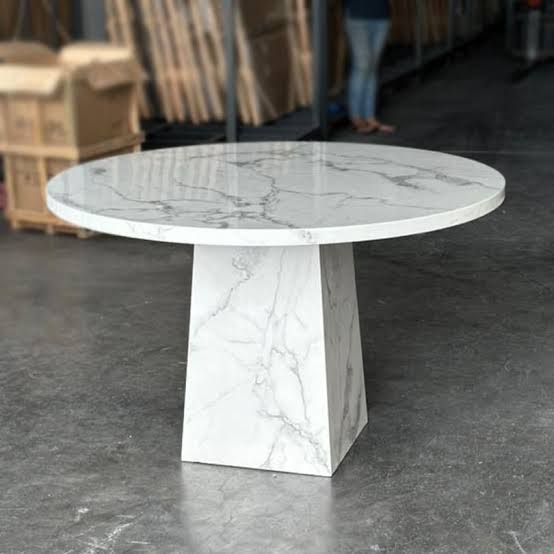
Furniture trends may come and go, but few materials have retained their appeal as consistently as marble. From ancient Roman villas to contemporary penthouses, marble table tops have remained a defining feature of luxury interiors because they combine timeless elegance with remarkable natural beauty. Whether incorporated into dining tables, coffee tables, side tables, conference tables, or bespoke reception furniture, marble continues to be one of the first materials specified by architects and interior designers seeking to create spaces with lasting character.
Unlike manufactured furniture surfaces, every marble tabletop tells its own geological story. Formed naturally over millions of years, each slab contains distinctive veining, mineral movement, and colour variations that cannot be replicated artificially. No two pieces are ever identical, meaning every finished table becomes a unique design statement that adds exclusivity to both residential and commercial interiors.
Recommended Stone Solutions
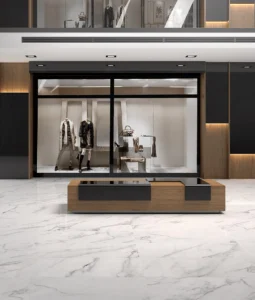


The enduring popularity of marble table tops extends beyond aesthetics. Marble provides a naturally cool surface, exceptional structural stability when properly supported, and an impressive visual presence that complements a wide range of architectural styles. From minimalist contemporary apartments to luxury hotels and executive boardrooms, marble furniture introduces sophistication without relying on excessive ornamentation.
Today’s designers also appreciate the versatility of marble. Large-format slabs can be fabricated into elegant dining tables, statement coffee tables, boardroom tables, console tables, restaurant tabletops, vanity surfaces, and custom furniture pieces. Combined with steel, timber, brass, glass, or powder-coated metal bases, marble adapts effortlessly to both modern and traditional interiors.
Selecting the right marble tabletop involves more than simply choosing a colour. Buyers should understand slab thickness, edge profiles, structural support, suitable marble varieties, fabrication techniques, maintenance requirements, and how marble compares with granite, quartz, porcelain, and engineered surfaces. These considerations influence both the appearance and long-term performance of the finished piece.
At Maruti Mining Limited, we help homeowners, architects, furniture designers, hospitality developers, and commercial clients transform premium marble slabs into bespoke furniture that combines exceptional craftsmanship with enduring value. Whether creating a family dining table or an executive boardroom centrepiece, selecting the right marble ensures every piece remains beautiful for generations.
You can explore the complete collection of premium natural stone available through Maruti Mining Limited at marutimining and compare marble alongside granite, quartz, and other architectural surfaces suitable for custom furniture throughout Kenya and East Africa.
Why Marble Has Remained a Furniture Favourite
Marble has been associated with fine craftsmanship for thousands of years.
Its continued popularity reflects qualities that few other materials can match.
The enduring appeal of marble table tops comes from their combination of:
- Natural beauty
- Unique veining
- Architectural prestige
- Exceptional longevity
- Timeless elegance
- Premium material value
Unlike synthetic materials, marble develops its character naturally, ensuring every tabletop possesses a distinctive appearance.
For more information about premium natural stone, you can visit our Knowledge Base for expert insights at knowledge-base.
Every Marble Table Is Unique
One of the greatest advantages of marble table tops is that no two are ever identical.
Natural geological processes create:
- Individual veining
- Mineral movement
- Colour variation
- Crystal formations
- Organic patterns
These characteristics ensure every finished table becomes a one-of-a-kind furniture piece.
For homeowners seeking individuality, this uniqueness is one of marble’s greatest attractions.
Popular Marble Colours for Table Tops
Colour selection dramatically influences the character of a marble table.
Among the most popular choices are:
White Marble
White marble offers:
- Bright interiors
- Elegant appearance
- Timeless luxury
- Excellent light reflection
It remains particularly popular for dining tables and coffee tables.
Black Marble
Black marble creates dramatic visual impact.
It is frequently specified for:
- Executive boardrooms
- Luxury apartments
- Reception furniture
- Contemporary dining tables
Its bold appearance pairs beautifully with brass and matte black metal bases.
Grey Marble
Grey marble provides understated sophistication.
It complements:
- Minimalist interiors
- Industrial design
- Contemporary homes
- Commercial offices
Its versatility makes it one of the most adaptable marble colours.
Green Marble
Green marble introduces natural richness into furniture design.
It works particularly well in:
- Boutique hotels
- Luxury residences
- Restaurants
- Designer interiors
Its distinctive colour immediately attracts attention while maintaining an elegant appearance.
Dining Tables
Among all marble table tops, dining tables remain the most sought-after application.
A marble dining table becomes the visual centrepiece of the room while providing a durable and luxurious surface for everyday use.
Large-format slabs minimise visible joints, creating elegant uninterrupted surfaces that enhance the natural movement of the stone.
Coffee Tables
Marble coffee tables combine practicality with sculptural beauty.
Their natural veining transforms even simple geometric designs into statement furniture pieces.
Popular base materials include:
- Powder-coated steel
- Solid timber
- Brass
- Stainless steel
- Glass
The combination of natural stone with contemporary base designs creates furniture suitable for virtually every interior style.
Side Tables and Console Tables
Smaller marble table tops introduce luxury without overwhelming compact spaces.
They are frequently used as:
- Entrance console tables
- Bedside tables
- Accent furniture
- Display tables
Even relatively small marble surfaces showcase the individuality of natural stone.
Boardroom and Conference Tables
Executive offices increasingly feature bespoke marble conference tables.
Their premium appearance communicates professionalism, permanence, and quality while creating an impressive meeting environment.
Large slabs reduce joints and enhance the sense of scale, making marble particularly suitable for prestigious commercial interiors.
Thickness Options
Choosing the correct thickness depends on both aesthetics and structural requirements.
Common tabletop thicknesses include:
- 20 mm
- 30 mm
- Laminated edge profiles for a thicker appearance
The choice depends on table size, support structure, and desired visual effect.
Edge Profile Options
Edge detailing significantly influences the final appearance of marble table tops.
Popular profiles include:
- Straight edge
- Pencil edge
- Bevelled edge
- Bullnose edge
- Mitred edge
Each profile creates a different architectural style while protecting exposed edges from everyday use.
For inspiration, you can also explore our gallery of completed projects at our-works.
Choosing the Right Marble for Your Table
Selecting the ideal stone is one of the most important decisions when designing marble table tops. Every marble variety possesses unique colours, veining patterns, and physical characteristics that influence both appearance and long-term performance.
The most suitable choice depends on:
- Intended use
- Interior style
- Table size
- Lighting conditions
- Maintenance expectations
- Budget
Viewing full slabs rather than small samples provides a much better understanding of the finished tabletop.
Matching Marble with Different Interior Styles
The versatility of marble allows it to complement a wide range of design concepts.
Contemporary Interiors
Modern spaces often feature:
- White marble
- Grey marble
- Black marble
These colours pair beautifully with:
- Matte black steel
- Glass
- Concrete
- Minimalist cabinetry
The result is a clean and sophisticated aesthetic.
Classic Interiors
Traditional interiors commonly incorporate:
- White marble
- Beige marble
- Cream marble
Together with:
- Rich timber
- Decorative mouldings
- Brass accents
- Upholstered furniture
This combination creates timeless elegance.
Luxury Hospitality
Hotels, restaurants, and executive lounges frequently use marble table tops because they communicate quality and permanence.
Popular colour choices include:
- Black marble
- Green marble
- White marble with bold veining
These stones create memorable focal points while complementing premium interior finishes.
Marble Table Bases
While the marble surface receives most of the attention, the table base plays an equally important structural and visual role.
Popular base materials include:
- Powder-coated steel
- Stainless steel
- Brass
- Solid hardwood
- Engineered timber
- Stone pedestal bases
The base must be designed to support the weight of the marble evenly while maintaining stability over many years.
Indoor Applications
Because marble is a naturally elegant material, marble table tops are suitable for numerous interior settings.
Common applications include:
- Dining rooms
- Living rooms
- Hotel lobbies
- Executive offices
- Restaurants
- Cafés
- Reception areas
- Luxury apartments
The timeless character of marble allows it to complement changing interior décor without appearing outdated.
Can Marble Be Used Outdoors?
Although marble can be installed in covered outdoor environments, careful consideration should be given to exposure conditions.
Factors such as:
- Direct sunlight
- Rain
- Air pollution
- Temperature fluctuations
may influence long-term appearance depending on the marble variety selected.
For fully exposed outdoor furniture, architects often evaluate granite or quartzite as alternatives because of their exceptional weather resistance.
Heat Resistance
One reason designers continue specifying marble table tops is their ability to tolerate normal indoor temperatures.
The naturally cool surface is especially appreciated in dining and food preparation environments.
However, sensible precautions remain advisable.
Using trivets or protective mats beneath extremely hot cookware helps preserve the finish over many years.
Scratch and Stain Considerations
Marble performs exceptionally well as premium furniture when cared for appropriately.
Like all natural stones, however, it benefits from sensible everyday use.
Good practices include:
- Using placemats
- Wiping spills promptly
- Avoiding unnecessary impact
- Using coasters beneath beverages
These simple habits help maintain the table’s appearance while protecting the polished surface.
What Influences the Cost of Marble Table Tops?
Several factors determine the investment required for bespoke marble table tops.
These include:
- Marble variety
- Slab size
- Thickness
- Veining quality
- Edge profile
- Fabrication complexity
- Base design
- Installation requirements
Rare marble varieties with dramatic natural veining generally command higher prices because of their limited availability.
Custom-designed furniture also requires precision fabrication, contributing to the overall project cost.
Marble Compared with Granite
Granite remains one of marble’s strongest competitors for premium furniture.
Granite offers:
- Exceptional hardness
- Excellent scratch resistance
- Outstanding durability
- Unique mineral patterns
Marble provides:
- Softer visual elegance
- Classic luxury
- Distinctive veining
- Timeless architectural appeal
Clients comparing premium furniture materials can explore our extensive collection of granite at top-granite-manufacturer-kenya-maruti-mining.
Marble Compared with Quartz
Engineered quartz offers consistent colours and low maintenance.
However, many designers continue selecting marble table tops because no manufactured material can replicate the individuality created by natural geological processes.
Quartz provides:
- Uniform appearance
- Excellent stain resistance
- Contemporary styling
Marble delivers:
- Natural uniqueness
- Prestigious character
- Individual slab patterns
- Timeless elegance
Those considering engineered alternatives can also discover the full range of quartz surfaces atquartz-stone.
Marble Compared with Porcelain
Large-format porcelain has become increasingly popular for furniture because of its durability and low maintenance.
Nevertheless, many luxury residential and hospitality projects continue to favour marble because every slab is naturally unique.
Unlike printed porcelain patterns, natural marble possesses genuine mineral movement developed over millions of years.
This authenticity remains one of the defining characteristics of premium stone furniture.
Why Designers Still Specify Marble First
Despite the availability of numerous modern surface materials, architects and interior designers continue choosing marble table tops because they combine beauty, exclusivity, and architectural prestige.
Every finished table becomes more than furniture—it becomes a permanent design feature that enhances the overall character of the space.
Whether incorporated into a family dining room, an executive office, a luxury hotel, or a boutique restaurant, marble continues to represent craftsmanship, quality, and timeless design.


Leave a Reply