


Choosing natural stone is about more than selecting an attractive colour or impressive veining pattern. For homeowners, architects, contractors, and property developers, one of the earliest decisions is whether to specify locally quarried stone in Kenya or invest in imported slabs from internationally recognised quarries. Each option offers distinct advantages, and neither is automatically the right answer for every project. The best choice depends on design expectations, project timelines, technical requirements, availability, and long-term value.
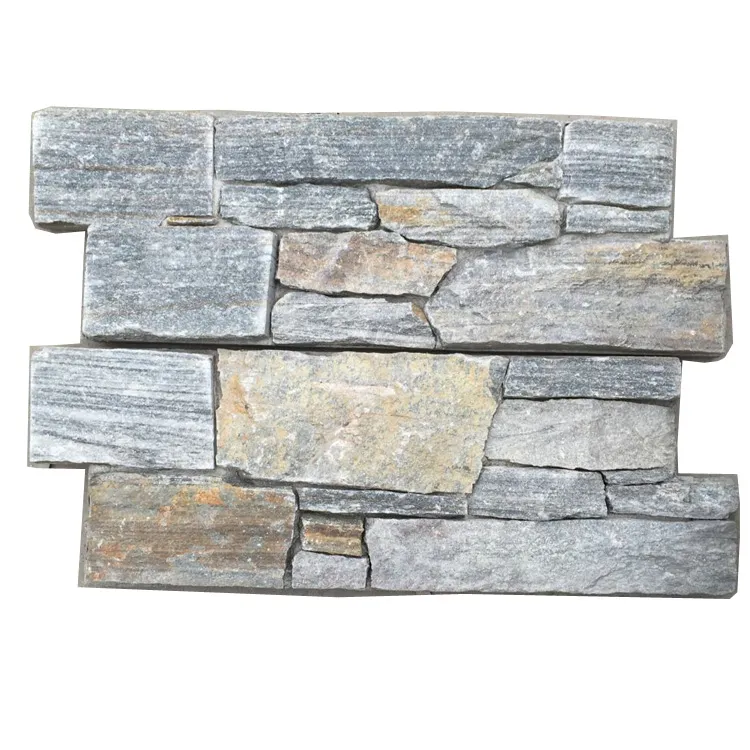
Kenya has a growing natural stone industry with locally sourced materials that serve residential, commercial, landscaping, and infrastructure projects. Local quarries provide stone for flooring, wall cladding, paving, building facades, staircases, and decorative architectural applications. These materials often benefit from shorter transportation distances, improved availability, and reduced lead times, making them attractive for projects where efficiency and regional sourcing are priorities.
Recommended Stone Solutions



Imported stone introduces a different set of advantages. Marble from Italy, granite from India, quartzite from Brazil, and other internationally recognised materials offer colours, veining, finishes, and geological characteristics that are not always available locally. Architects frequently specify imported slabs when a project demands exceptional consistency, rare stone varieties, or luxury finishes that define premium residential and hospitality developments.
Understanding locally quarried stone in Kenya compared with imported slabs requires balancing aesthetics with practical considerations. Cost, fabrication, transportation, slab dimensions, maintenance, availability, sustainability, and long-term architectural value all influence the final decision. A material that performs exceptionally well for an outdoor commercial development may not necessarily be the most suitable option for a luxury kitchen or hotel reception.
Rather than viewing locally sourced and imported stone as competing products, experienced designers evaluate each project individually. In many developments, both are successfully combined to achieve the desired balance between performance, appearance, and investment.
At Maruti Mining Limited, we guide homeowners, architects, contractors, and developers through the selection process, helping them identify the most appropriate natural stone solutions for projects throughout Kenya and East Africa. Whether your project requires locally sourced materials, premium imported slabs, or a combination of both, informed selection is the key to achieving lasting results.
You can explore the complete collection of natural stone available through Maruti Mining Limited at marutimining and compare premium granite, marble, quartz, and other architectural surfaces suitable for projects across East Africa.
Understanding Locally Quarried Stone
Locally quarried stone in Kenya refers to natural stone extracted from quarries within the country before undergoing processing for construction and architectural use.
Depending on the quarry and geological formation, locally sourced materials may be suitable for:
- Building facades
- Landscaping
- Flooring
- Wall cladding
- Staircases
- External paving
- Decorative stonework
Because the stone originates within Kenya, transportation distances are often shorter than those associated with imported materials.
Understanding Imported Stone Slabs
Imported slabs originate from internationally recognised stone-producing regions.
Some of the world’s most respected natural stones include:
- Italian marble
- Indian granite
- Brazilian quartzite
- Turkish marble
- Spanish marble
These materials are extracted from carefully managed quarries before being processed into premium slabs for architectural projects worldwide.
Imported stone is widely specified where exceptional aesthetics, rare colours, or distinctive veining patterns are required.
Geological Differences
One of the biggest distinctions between locally quarried stone in Kenya and imported slabs lies in geological diversity.
International quarries often produce stone formed under unique mineral conditions over millions of years.
These geological variations create:
- Rare colours
- Dramatic veining
- Crystal formations
- Distinctive mineral movement
- Highly recognisable stone varieties
Locally quarried materials possess their own natural character but generally offer a different range of visual characteristics.
Appearance and Design Flexibility
Architectural design frequently drives material selection.
Imported stone typically offers a wider selection of:
- White marble
- Black granite
- Exotic quartzite
- Green marble
- Book-matched slabs
- Luxury finishes
Locally quarried materials often provide more restrained natural textures and colours suitable for both contemporary and traditional construction.
The most appropriate option depends on the project’s design objectives.
Lead Times
One of the practical advantages of locally quarried stone in Kenya is the potential for shorter lead times.
Reduced transportation distances may contribute to:
- Faster material availability
- Simpler logistics
- More predictable delivery schedules
- Reduced dependency on international shipping
Imported slabs generally require additional planning because international freight, customs processes, and logistics influence project schedules.
Material Availability
Availability varies depending on market demand and quarry production.
Locally sourced materials may be easier to replenish for future project phases.
Imported materials, particularly rare marble or quartzite varieties, may have limited availability once a quarry lot has been exhausted.
This makes early slab selection particularly important for large developments requiring consistent material throughout multiple construction phases.
Cost Considerations
When comparing locally quarried stone in Kenya with imported slabs, cost should always be viewed as part of the overall lifecycle investment.
Factors influencing cost include:
- Quarry location
- Transportation
- Importation
- Fabrication
- Installation
- Material rarity
- Slab dimensions
- Project complexity
While locally sourced stone may reduce certain logistical expenses, imported premium materials often deliver unique architectural value that justifies the additional investment for luxury developments.
Sustainability Considerations
Environmental considerations increasingly influence material selection.
Using locally quarried stone in Kenya may contribute to reducing transportation distances associated with international shipping.
However, sustainability also depends on:
- Responsible quarry management
- Processing methods
- Material longevity
- Waste reduction
- Efficient fabrication
Because natural stone offers exceptional durability, both locally sourced and imported materials can contribute to long service life when properly specified and maintained.
Applications for Locally Quarried Stone
Locally sourced stone is commonly used for:
- Landscape features
- External paving
- Boundary walls
- Building facades
- Commercial developments
- Residential projects
Its availability and regional suitability often make it an attractive option for projects requiring substantial quantities of natural stone.
Applications for Imported Slabs
Imported stone is frequently selected for:
- Luxury kitchens
- Hotel lobbies
- Bathroom vanities
- Statement staircases
- Reception desks
- Feature walls
- Executive offices
These applications benefit from the exceptional aesthetics and distinctive geological characteristics associated with internationally recognised stone varieties.
For inspiration, you can also explore our gallery of completed projects at our-works.
Performance and Durability
When comparing locally quarried stone in Kenya with imported slabs, durability depends more on the specific type of stone than on where it originates. Granite, marble, quartzite, limestone, and other natural stones each possess different physical characteristics regardless of whether they are sourced locally or internationally.
The most suitable material should therefore be selected according to the intended application rather than country of origin.
Factors affecting long-term performance include:
- Stone type
- Density
- Porosity
- Installation quality
- Maintenance practices
- Environmental exposure
Professional specification ensures that the chosen material performs well throughout its service life.
Consistency of Colour and Veining
One consideration when selecting natural stone is visual consistency across multiple slabs.
Large commercial developments, luxury hotels, and premium residential projects often require carefully matched materials to achieve a uniform appearance.
Imported slabs are frequently available in larger production batches, allowing designers to select multiple slabs with similar:
- Background colour
- Veining patterns
- Mineral movement
- Surface finish
Locally quarried materials can also provide attractive consistency, although this depends on the individual quarry and geological formation.
Slab Sizes
The available slab dimensions influence both fabrication possibilities and the number of visible joints in the finished installation.
Large-format imported slabs are commonly used for:
- Kitchen islands
- Reception counters
- Boardroom tables
- Feature walls
- Staircases
Larger slabs minimise joints while allowing the natural movement of the stone to remain uninterrupted.
Depending on the quarry, locally quarried stone in Kenya may be supplied in dimensions suitable for flooring, cladding, landscaping, and other architectural applications.
Surface Finishes
Both locally sourced and imported stone can be fabricated into a wide variety of finishes.
Common options include:
- Polished
- Honed
- Leathered
- Brushed
- Flamed
- Sandblasted
The selected finish affects appearance, slip resistance, maintenance requirements, and the overall architectural character of the installation.
Fabrication Possibilities
Modern fabrication technology allows both locally quarried and imported stone to be transformed into custom architectural features.
These include:
- Kitchen worktops
- Bathroom vanities
- Stair treads
- Wall cladding
- Dining tables
- Reception counters
- Fireplace surrounds
The quality of fabrication often has a greater influence on the finished result than the geographical origin of the stone itself.
Maintenance Requirements
Maintenance depends primarily on the mineral composition of the stone rather than its source.
Routine care generally includes:
- Regular dust removal
- pH-neutral cleaning products
- Prompt cleaning of spills
- Professional sealing where appropriate
Proper maintenance preserves both appearance and long-term performance.
Availability for Future Extensions
Projects occasionally require additional material years after the original installation.
For locally quarried stone in Kenya, continued availability depends on ongoing quarry production.
Imported stone availability depends on:
- Active quarry operations
- International supply chains
- Production batches
- Material demand
For large developments, purchasing sufficient material during the initial phase often helps ensure visual consistency throughout future extensions.
Comparing Local and Imported Stone by Project Type
Different projects benefit from different material strategies.
Residential Homes
Many homeowners combine both locally sourced and imported stone.
For example:
- Imported marble for kitchen worktops.
- Local stone for external paving.
- Imported granite for staircases.
- Local stone for landscaping.
This balanced approach manages investment while maintaining premium architectural finishes.
Commercial Developments
Commercial buildings often prioritise:
- Durability
- Availability
- Maintenance
- Cost efficiency
Depending on the design objectives, both locally quarried and imported materials may be appropriate.
Luxury Hospitality
Hotels and luxury resorts frequently specify imported premium slabs for:
- Reception areas
- Executive suites
- Restaurants
- Spa facilities
These applications benefit from distinctive colours and dramatic natural veining.
Common Misconceptions
Several misconceptions influence the decision between locally quarried stone in Kenya and imported slabs.
“Imported Stone Is Always Better”
Imported stone offers remarkable variety and prestigious international materials, but locally sourced stone may provide excellent performance for many architectural applications.
The most suitable material depends on the project requirements rather than origin alone.
“Local Stone Cannot Be Luxurious”
Well-selected locally quarried stone can create attractive architectural finishes when professionally fabricated and installed.
Luxury depends on design, craftsmanship, and execution as much as material origin.
“Imported Stone Always Costs More”
Although imported materials often involve additional transportation and logistics, the final investment varies according to:
- Stone variety
- Quarry
- Fabrication
- Installation
- Project scale
Some imported materials may be competitively priced depending on market conditions.
How to Choose the Right Option
Choosing between locally quarried stone in Kenya and imported slabs should begin with a clear understanding of the project’s objectives.
Important considerations include:
- Design vision
- Budget
- Lead time
- Maintenance expectations
- Required slab size
- Long-term value
Rather than focusing solely on cost, evaluating the complete lifecycle performance of the material helps ensure the best investment.
Clients comparing premium natural stone solutions can also learn more about marble options at marble-manufacturer-kenya, explore our extensive collection of granite at top-granite-manufacturer-kenya-maruti-mining, or discover the full range of quartz surfaces at quartz-stone.
Professional Stone Selection and Fabrication
Whether you choose locally quarried stone in Kenya or imported slabs, the quality of fabrication has a significant influence on the finished result. Natural stone is a premium architectural material, and achieving the best outcome requires careful planning, accurate measurements, precision cutting, and experienced installation.
Professional stone specialists assess every slab before fabrication to determine the most suitable orientation for veining, colour movement, and overall visual balance. This is particularly important for feature walls, kitchen worktops, reception counters, staircases, and other prominent architectural elements where the stone becomes a focal point.
Professional fabrication typically includes:
- Material consultation
- Slab inspection
- Digital templating
- Precision CNC cutting
- Edge profiling
- Surface finishing
- Quality control
- Professional installation support
Regardless of origin, expert craftsmanship allows natural stone to perform beautifully while showcasing its unique geological character.
Long-Term Maintenance
Natural stone remains one of the most durable construction materials available, but appropriate maintenance helps preserve its appearance for decades.
Routine care for both locally sourced and imported stone generally includes:
Regular Cleaning
Maintain surfaces using:
- Soft cloths or microfibre mops
- Clean water
- pH-neutral stone cleaners
Routine cleaning removes dust and debris without affecting the finish.
Sealing Where Required
Some natural stones benefit from professional sealing to reduce moisture absorption and improve resistance to everyday staining.
The recommended sealing schedule depends on:
- Stone type
- Surface finish
- Installation location
- Frequency of use
Avoid Harsh Chemicals
To protect natural stone finishes, avoid:
- Strong acids
- Abrasive powders
- Bleach
- Aggressive solvents
Using products designed specifically for natural stone helps preserve both appearance and structural integrity.
Common Buying Mistakes
Choosing between locally quarried stone in Kenya and imported slabs involves more than comparing prices.
Several common mistakes can affect the long-term success of a project.
Focusing Only on Initial Cost
The lowest purchase price does not always represent the best long-term investment.
Material quality, durability, maintenance, and architectural impact should all be considered alongside installation costs.
Choosing Without Viewing the Slab
Natural stone varies from one slab to another.
Whenever possible, selecting the actual slab ensures that colour, veining, and natural movement meet the project’s design expectations.
Ignoring Fabrication Quality
Even exceptional stone can produce disappointing results if fabrication is poorly executed.
Professional cutting, edge finishing, and installation are essential for achieving premium architectural standards.
Not Planning for Future Phases
Large developments may require additional stone at a later stage.
Planning material quantities early helps improve consistency across future project phases and reduces the risk of colour variation.
When a Combination Offers the Best Solution
Many successful developments combine locally quarried stone in Kenya with imported slabs to achieve the ideal balance between functionality, aesthetics, and investment.
For example:
- Local stone for landscaping and external paving
- Imported granite for kitchen worktops
- Imported marble for reception areas
- Local stone for retaining walls
- Imported quartzite for outdoor entertainment areas
This blended approach allows each material to be used where its strengths are most valuable.
Why Choose Maruti Mining Limited
Selecting the right natural stone begins with choosing an experienced supplier who understands both material performance and architectural design. At Maruti Mining Limited, we provide expert guidance to help clients evaluate locally sourced and imported natural stone solutions for projects throughout East Africa.
Our services include:
- Professional stone consultation
- Premium slab sourcing
- Material selection guidance
- Precision CNC fabrication
- Custom edge profiling
- Surface finishing
- Installation support
We work closely with homeowners, architects, developers, contractors, hospitality professionals, and interior designers to ensure every project receives the most suitable natural stone solution based on performance, aesthetics, and long-term value.
Whether you are specifying premium imported marble for a luxury residence, durable granite for commercial worktops, or locally sourced stone for landscaping and exterior construction, our experienced team provides expert support from initial consultation through to final installation.
Clients can also visit our Knowledge Base for expert insights at knowledge-base, explore our gallery of completed projects at our-works, learn more about marble options at marble-manufacturer-kenya, explore our extensive collection of granite at top-granite-manufacturer-kenya-maruti-mining, discover the full range of quartz surfaces at quartz-stone, or contact our team for project consultation at contact-us.
Conclusion
The comparison between locally quarried stone in Kenya and imported slabs is not about determining a universal winner but about selecting the right material for the right application. Locally sourced stone offers advantages such as shorter supply chains, regional availability, and suitability for a wide range of construction and landscaping projects. Imported slabs, on the other hand, provide access to internationally recognised marble, granite, quartzite, and other premium stones celebrated for their exceptional colours, dramatic veining, and refined finishes.
Factors such as project objectives, design requirements, budget, lead times, fabrication quality, and long-term maintenance all play an important role in the decision-making process. In many cases, the most successful developments combine both locally sourced and imported materials, using each where its strengths deliver the greatest value.
With expert advice, careful slab selection, precision fabrication, and professional installation, both locally quarried and imported natural stone can create beautiful, durable spaces that continue to perform for generations. By understanding the strengths of each option, homeowners, architects, and developers can make informed decisions that balance aesthetics, functionality, and long-term investment.
Bring Your Vision to Life in Stone
Imagine a space defined by elegance, durability, and timeless beauty. At Maruti Mining Limited, we transform your vision into reality with the finest selection of granite, marble, and quartz, backed by expert fabrication and installation.
Contact our team for a consultation and let’s create a legacy set in stone.
CUSTOM FABRICATION & INSTALLATION ACROSS EAST AFRICA
✔ Premium Collection of Over 80 Stone Varieties
✔ Expert Cutting, Polishing & Installation
✔ Free Project Consultation & Quote
✔ Serving Kenya (Nairobi, Nakuru, Kisumu), Uganda, Tanzania, Rwanda & beyond.
Request Your Free Consultation
Maruti Mining Limited
Email: [email protected]
Phone: +254 736 701 174 | +254 728 789 164 | +254 733 519 836
You May Also Like


Visit Us: Nairobi, Kenya
Website: https://marutimining.com/
Leave a Reply