


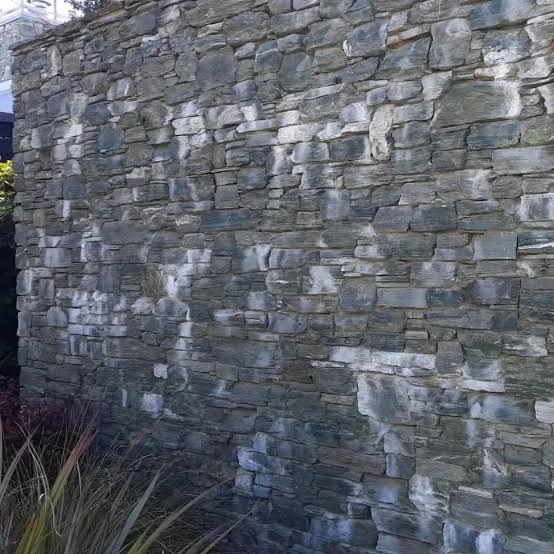
Natural stone is prized for its durability and timeless appearance, but even premium granite, marble, quartzite, and other stones can occasionally develop chalky white deposits on the surface. These marks often appear after heavy rainfall, prolonged wet weather, or shortly after a new installation has cured. Many homeowners assume the stone is deteriorating or that the white patches are permanent stains. In most cases, however, the problem is efflorescence on stone in Kenya.
Efflorescence is not a defect in the stone itself. It is a natural process caused when water dissolves naturally occurring salts within cement, mortar, screed, concrete, or even the stone itself. As the moisture moves towards the surface and evaporates, it leaves behind fine white crystalline deposits. Although these deposits can spoil the appearance of an otherwise beautiful installation, they are usually a symptom of moisture movement rather than damaged stone.
Recommended Stone Solutions

Kenya’s climate makes efflorescence particularly common on exterior stone. Seasonal rains, coastal humidity, irrigation systems, poorly drained paving, and newly constructed buildings all create conditions where moisture repeatedly travels through stone and its supporting materials. The result is the familiar white powder or crust that appears on patios, driveways, exterior walls, pool surrounds, staircases, and natural stone cladding.
The good news is that efflorescence can usually be removed, and more importantly, future occurrences can often be minimised by addressing the underlying source of moisture.
This guide explains what causes efflorescence on stone in Kenya, why it appears after rain, how to distinguish it from permanent staining, and the best methods for prevention and long-term maintenance.
At Maruti Mining Limited, we help clients choose, install, and maintain natural stone that continues to perform beautifully in Kenya’s varied climate.
Explore premium natural stone collections from Maruti Mining Limited at marutimining.
What Is Efflorescence?
Efflorescence on stone in Kenya is the white, powdery or crystalline deposit that forms when moisture carries dissolved salts to the surface of stone or masonry.
As the water evaporates, the salts remain behind.
Efflorescence commonly appears as:
- White powder
- Chalky patches
- Thin crystalline films
- Light grey deposits
- Uneven white streaks
Although unsightly, it is usually a cosmetic issue rather than structural damage.
Why Does It Appear After Rain?
Rain introduces moisture into:
- Stone joints
- Mortar beds
- Concrete slabs
- Wall cavities
- Screeds
As the structure begins to dry, water migrates back toward the surface.
During this process, dissolved mineral salts travel with the moisture.
When the water evaporates, the salts remain visible.
Where Do the Salts Come From?
The salts responsible for efflorescence may originate from several sources, including:
- Cement
- Mortar
- Concrete
- Bedding materials
- Natural stone
- Groundwater
The stone itself is often not the primary source.
Where Is Efflorescence Most Common?
Efflorescence frequently develops on:
- Exterior wall cladding
- Garden paving
- Driveways
- Pool surrounds
- Retaining walls
- Outdoor staircases
- Stone façades
Areas exposed to repeated wetting and drying cycles are especially susceptible.
Does Efflorescence Damage Natural Stone?
In most cases, no.
Efflorescence mainly affects appearance rather than structural performance.
However, persistent moisture movement should still be investigated because it may indicate:
- Poor drainage
- Water ingress
- Waterproofing defects
- Installation issues
Addressing these problems helps protect the installation over the long term.
Is Every White Mark Efflorescence?
No.
White marks may also result from:
- Hard water deposits
- Cement residue
- Grout haze
- Cleaning chemical residue
- Surface etching on marble
Correct identification is essential before attempting removal.
Why New Installations Often Develop Efflorescence
Freshly installed stone frequently experiences its first episodes of efflorescence because:
- Mortar continues curing.
- Concrete releases construction moisture.
- Bedding materials contain soluble salts.
- Excess water gradually evaporates.
This often reduces naturally as the installation dries completely over time.
Common Myths About Efflorescence
Myth: White patches mean the stone is poor quality.
Reality: Efflorescence usually originates from moisture movement and soluble salts rather than defective stone.
Myth: Sealing completely prevents efflorescence.
Reality: Sealers can reduce moisture penetration but cannot eliminate salts already present beneath the surface.
Myth: Efflorescence is permanent.
Reality: Most cases can be removed once the underlying moisture source is properly managed.
For more expert natural stone advice, visit the Maruti Mining Knowledge Base at knowledge-base.
How to Remove and Prevent Efflorescence on Stone in Kenya
The best way to deal with efflorescence on stone in Kenya is to remove the visible salt deposits while also addressing the moisture source that caused them. Simply cleaning the white patches without solving the underlying problem often results in the deposits returning after the next rainy season.
Successful treatment focuses on both cleaning and prevention.
Step 1: Allow the Stone to Dry
Fresh efflorescence often appears while a new installation is still drying.
Before using any cleaning products:
- Allow the stone to dry completely.
- Wait until the white deposits are fully visible.
- Avoid sealing damp stone.
In many cases, minor efflorescence reduces naturally as construction moisture escapes.
Step 2: Start with Dry Brushing
Light surface deposits can often be removed using:
- A soft nylon brush
- A dry microfibre cloth
- Gentle sweeping
Avoid wire brushes, as they may scratch certain natural stones.
Dry brushing should always be attempted before using water or chemical cleaners.
Step 3: Use Stone-Safe Cleaners
If dry brushing is insufficient, use a cleaner specifically formulated for natural stone.
Suitable products help dissolve salt deposits without damaging the surface.
Avoid using:
- Hydrochloric acid
- Brick acid
- Strong household acids
- Bleach mixtures
- Abrasive cleaning powders
These products can permanently damage polished marble, limestone, and some granites.
Step 4: Identify the Moisture Source
Cleaning alone will not stop efflorescence if water continues moving through the installation.
Common sources include:
- Poor drainage
- Leaking irrigation systems
- Inadequate waterproofing
- Cracked grout joints
- Standing rainwater
- Faulty expansion joints
Correcting these issues is the most effective long-term solution.
Improve Drainage
Outdoor stone should be installed with proper falls to encourage water runoff.
Good drainage helps:
- Reduce moisture retention
- Minimise salt migration
- Improve long-term durability
- Reduce maintenance requirements
Standing water significantly increases the likelihood of recurring efflorescence.
Why Proper Installation Matters
Professional installation helps minimise future moisture problems.
Important considerations include:
- Suitable bedding materials
- Correct adhesive selection
- Proper waterproofing
- Expansion joints
- Effective drainage design
A well-installed stone surface is far less likely to experience persistent salt deposits.
Does Sealing Help?
Yes—but with limitations.
Quality penetrating sealers can:
- Reduce water absorption
- Slow moisture penetration
- Improve stain resistance
- Simplify cleaning
However, sealers do not eliminate soluble salts already trapped beneath the surface.
Stone should always be clean and completely dry before sealing.
Ongoing Maintenance
Regular maintenance helps reduce the risk of recurring efflorescence.
Recommended practices include:
- Inspecting joints after heavy rain
- Cleaning surfaces regularly
- Removing standing water where possible
- Checking nearby drainage systems
- Resealing natural stone when recommended
These simple measures help maintain the appearance of outdoor stone installations.
When Professional Assistance Is Recommended
If efflorescence repeatedly returns despite cleaning, professional assessment may be required.
An experienced stone specialist can investigate:
- Moisture pathways
- Waterproofing failures
- Drainage problems
- Installation defects
- Suitable cleaning methods
Early intervention often prevents more serious issues from developing.
Why Prevention Is Better Than Cure
The most successful projects minimise moisture movement from the beginning.
This involves careful planning of:
- Site drainage
- Waterproofing systems
- Installation methods
- Material selection
- Maintenance schedules
Good design and professional installation remain the most effective defences against recurring efflorescence.
Clients can also explore premium granite collections at top-granite-manufacturer-kenya-maruti-mining, browse elegant marble collections at marble-manufacturer-kenya, discover engineered quartz surfaces at quartz-stone, or view completed natural stone projects at our-works.


Leave a Reply