


Eco-Friendly Stone Choices are becoming a defining consideration for modern Kenyan homeowners who want to balance elegance, durability, and environmental responsibility in their interior spaces. As construction trends shift toward sustainability, countertops made from responsibly sourced stone materials are no longer just a design preference but a long-term investment in both property value and environmental stewardship. In Kenya’s rapidly evolving real estate and construction sector, materials such as granite, marble, and quartz are being reassessed not only for their beauty and strength but also for their ecological footprint, extraction methods, and lifecycle performance.
In many Kenyan homes, especially in urban centers like Nairobi, Mombasa, Kisumu, and Nakuru, countertops serve as focal points in kitchens, bathrooms, and commercial interiors. Choosing the right surface material has therefore become a decision that extends beyond aesthetics. It now includes considerations of carbon impact, sourcing transparency, waste reduction during fabrication, and long-term maintenance efficiency. This shift has placed natural stone and engineered surfaces at the heart of sustainable design conversations, with Eco-Friendly Stone Choices offering a practical pathway toward greener living without compromising on luxury or functionality.
Recommended Stone Solutions


Granite as a Sustainable Natural Stone Option in Kenya
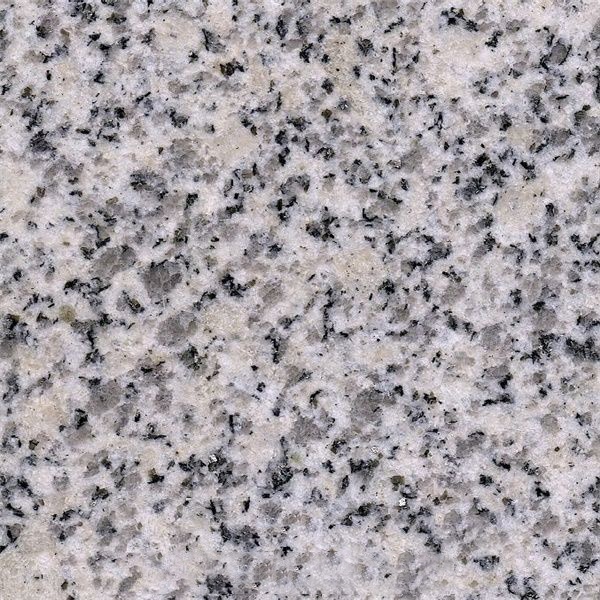
Granite remains one of the most widely used natural stones in Kenya due to its abundance, durability, and relatively low processing requirements compared to synthetic materials. When sourced responsibly, granite represents one of the most sustainable countertop options available. Local extraction and processing reduce transportation emissions, and its long lifespan significantly lowers replacement frequency, minimizing overall environmental impact. Homeowners exploring high-quality granite options can begin by reviewing the extensive selection available through the our catalog, which showcases a diverse range of natural stone materials suited for different design and sustainability needs.
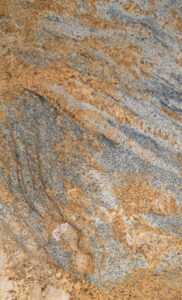
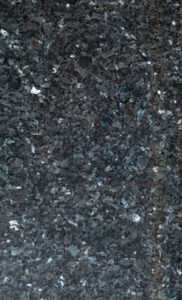
From a geological perspective, granite is formed deep within the earth under intense heat and pressure, resulting in a dense, durable composition that requires minimal chemical enhancement. This inherent strength translates into long-term performance in kitchens and high-use areas. In Kenya, locally available varieties such as M Brown, K Pink, and M Grey granite are increasingly preferred for their reduced transportation footprint and compatibility with both contemporary and traditional architectural styles. For those seeking locally processed stone solutions, the range of granite in Kenya offers a clear illustration of how sustainability and durability intersect in modern construction.
Marble in Eco-Friendly Interior Design Applications
Marble, while often associated with luxury and classical aesthetics, also plays a role in Eco-Friendly Stone Choices when responsibly sourced and maintained. Although softer than granite, marble offers excellent thermal properties and a timeless visual appeal that reduces the need for frequent replacement driven by design fatigue. In sustainable construction, longevity of aesthetic relevance is just as important as physical durability. Kenyan homeowners exploring premium interior finishes can learn more about material characteristics and sourcing standards through the marble manufacturer resource, which provides insights into responsible marble selection and application.
Quartz as a Modern Engineered Sustainable Surface
Quartz represents a hybrid category that combines natural quartz minerals with resins and pigments to produce engineered stone surfaces. While it is not purely natural, modern manufacturing processes have significantly improved its environmental profile by incorporating recycled materials and optimizing production efficiency. Quartz surfaces are highly durable, non-porous, and resistant to staining, which reduces the need for harsh chemical cleaners over time. This contributes indirectly to environmental sustainability by minimizing household chemical usage and water consumption during maintenance. Homeowners interested in engineered options can explore the full range of Quartz Stone solutions designed for modern Kenyan kitchens and bathrooms.
Sustainable Fabrication and Production Practices
Beyond material composition, sustainability in stone countertops is deeply influenced by fabrication practices and installation efficiency. Waste reduction during cutting and polishing, responsible slurry management, and energy-efficient machinery all contribute to lowering the environmental footprint of finished products. Leading suppliers in Kenya have increasingly adopted streamlined production systems that prioritize precision cutting and material optimization. Understanding these processes is essential for homeowners who want to make informed decisions, and detailed insights into fabrication workflows are available through the our process page.
Lifecycle Value and Long-Term Environmental Impact
Another important dimension of Eco-Friendly Stone Choices lies in the lifecycle of the material. A truly sustainable countertop is one that performs well over decades without requiring frequent replacement or intensive maintenance. Granite, marble, and quartz each offer distinct advantages in this regard. Granite provides unmatched durability and resistance to heat and scratching, making it ideal for heavy-use kitchens. Quartz offers low maintenance and high consistency in appearance, reducing the need for periodic resurfacing. Marble, while requiring more careful maintenance, can last generations when properly sealed and cared for, particularly in low-impact areas such as bathroom vanities or decorative surfaces.
Cost Efficiency and Long-Term Investment Value
Cost considerations also play a significant role in sustainable decision-making. While initial investment in natural stone may be higher compared to synthetic alternatives, the long-term cost of ownership is often lower due to reduced replacement frequency and minimal repair requirements. In the Kenyan market, where construction budgets must balance affordability and quality, stone countertops represent a value-driven investment. Over time, the durability and timeless appeal of stone surfaces often translate into higher property valuations, particularly in premium residential developments and commercial spaces.
Design Versatility and Architectural Integration
Design versatility is another reason Eco-Friendly Stone Choices are increasingly favored by architects and interior designers. Natural stone offers unique patterns, textures, and color variations that cannot be replicated by synthetic materials. This individuality enhances interior spaces while supporting sustainable design principles by reducing reliance on mass-produced decorative alternatives. For inspiration and real-world applications, homeowners can explore the our works portfolio, which highlights completed residential and commercial projects showcasing stone integration across diverse environments.
Maintenance Practices for Sustainable Longevity
Maintenance practices further influence the sustainability profile of stone countertops. Proper sealing, routine cleaning with non-abrasive products, and timely restoration significantly extend the lifespan of stone surfaces. These practices reduce material waste and environmental strain associated with premature replacement. In Kenya’s climate, where temperature fluctuations and humidity levels vary across regions, selecting the right maintenance strategy is essential for preserving both appearance and structural integrity.
Responsible Sourcing and Environmental Stewardship
Sustainability in stone usage also extends to responsible sourcing and ethical quarrying. Environmentally conscious suppliers prioritize controlled extraction methods that minimize land degradation and support site rehabilitation after quarrying activities. This approach ensures that natural resources are utilized efficiently while preserving ecological balance. Homeowners can gain deeper understanding of responsible sourcing principles through the knowledge base, which provides educational resources on stone selection, environmental considerations, and technical specifications.
Biophilic Design and Natural Aesthetic Integration
From an architectural standpoint, Eco-Friendly Stone Choices contribute significantly to biophilic design principles, which emphasize the integration of natural materials into built environments. Stone surfaces help regulate indoor temperature, improve acoustic performance, and create a visual connection to natural geological formations. In Kenyan homes, where indoor-outdoor living is increasingly popular, stone countertops enhance this connection by introducing organic textures that complement natural light and surrounding landscapes.
Real Estate Value and Market Demand
Real estate value is another compelling factor driving adoption of sustainable stone materials. Properties fitted with high-quality granite, marble, or quartz countertops tend to command higher market prices due to their perceived durability, luxury, and low maintenance requirements. Buyers increasingly associate stone finishes with long-term investment security, particularly in competitive urban housing markets. This makes Eco-Friendly Stone Choices not only an environmental decision but also a strategic financial one.
Digital Visualization and Modern Design Planning
In modern interior design, customization and visualization tools have further simplified the decision-making process. Homeowners can now preview different stone materials in virtual environments before committing to installation. This reduces material waste caused by design revisions and ensures greater satisfaction with final outcomes. Tools such as the visualizer enable clients to experiment with different stone combinations and layouts, supporting more efficient and sustainable planning.
Conclusion
The Future of Sustainable Stone Use in Kenya
Ultimately, the shift toward Eco-Friendly Stone Choices reflects a broader transformation in Kenya’s construction and interior design industry. Sustainability is no longer a niche concern but a central design principle influencing material selection, fabrication methods, and long-term property planning. As awareness grows, more homeowners and developers are prioritizing materials that deliver both aesthetic excellence and environmental responsibility.
For those planning new construction or renovation projects, professional guidance is essential to ensure optimal material selection and installation quality. Engaging experienced stone specialists helps align design goals with technical performance requirements, ensuring that every countertop installed contributes positively to both the environment and the built space. Consultation services and project support are available through the services and request a quote platforms for tailored project planning.
Bring Your Vision to Life in Stone
Imagine a space defined by elegance, durability, and timeless beauty. At Maruti Mining Limited, we transform your vision into reality with the finest selection of granite, marble, and quartz, backed by expert fabrication and installation.
Contact our team for a consultation and let’s create a legacy set in stone.
CUSTOM FABRICATION & INSTALLATION ACROSS EAST AFRICA
Premium Collection of Over 80 Stone Varieties
Expert Cutting, Polishing & Installation
Free Project Consultation & Quote
Serving Kenya (Nairobi, Karen, Mombasa), Uganda, Tanzania & beyond.
You May Also Like
Request Your Free Consultation:
Maruti Mining Limited
Email: [email protected]
Phone: +254 736 701 174 | +254 728 789 164 | +254 733 519 836
Visit Us: Nairobi, Kenya
Website: https://marutimining.com/
Leave a Reply