



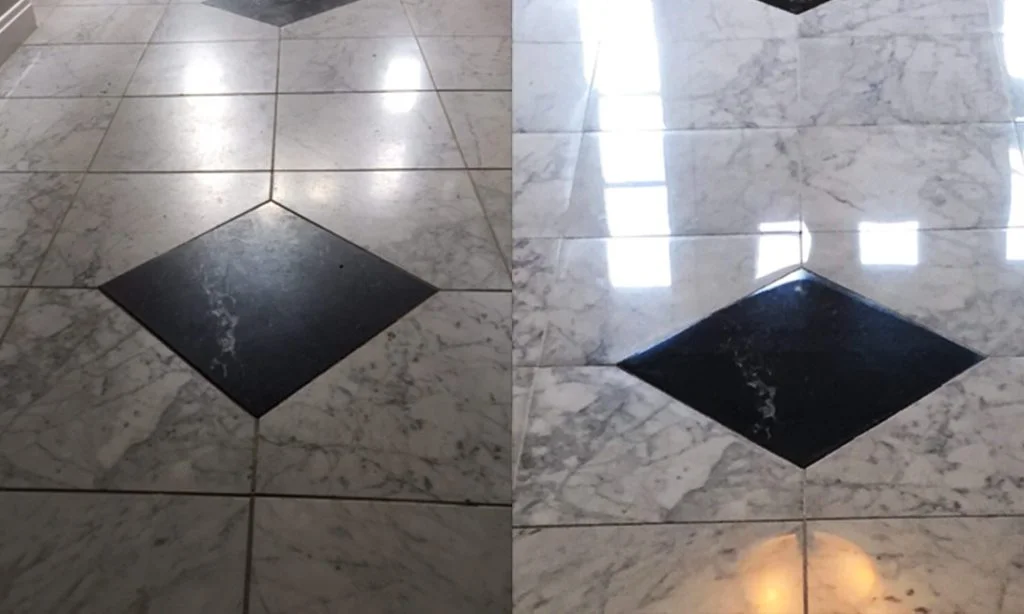
Marble is chosen for its elegant appearance, natural patterns, and luxurious polished finish. From marble floors and countertops to bathroom surfaces and feature walls, the reflective shine of polished marble is one of its most attractive qualities. However, over time many property owners notice a change in appearance and begin asking why their once-brilliant stone has become dull marble.
A faded marble surface does not always mean the stone is dirty or poor quality. In many cases, the loss of shine is caused by chemical reactions, surface wear, incorrect cleaning methods, or a breakdown of the original polished finish. Understanding what causes dull marble is the first step towards choosing the right restoration method.
Recommended Stone Solutions



The good news is that many dull marble surfaces can be improved. Depending on the condition of the stone, professional cleaning, honing, polishing, or sealing may restore much of the original appearance. However, the correct solution depends on whether the problem is surface contamination, etching, scratches, wear, or deeper damage.
At Maruti Mining Limited, we help homeowners, architects, contractors, and developers understand marble behaviour and choose the right solutions for maintaining premium natural stone surfaces.
Explore premium marble, granite, quartzite, and engineered stone solutions from Maruti Mining Limited at marutimining.
What Causes Dull Marble?
Dull marble usually occurs because the polished surface has been damaged, worn down, or covered with residues that reduce light reflection. The cause is not always obvious, and different problems require different treatments.
Common causes include:
- Acid etching
- Foot traffic wear
- Incorrect cleaning products
- Surface scratches
- Hard water deposits
- Old coatings
- Lack of maintenance
Identifying the cause prevents ineffective treatments and helps protect the marble from further damage.
Is Dull Marble Caused by Dirt?
Many homeowners first assume that dull marble simply needs stronger cleaning.
However, this is often incorrect.
A surface may look cloudy or lifeless because the polished layer has changed rather than because dirt has accumulated.
Cleaning may remove:
- Dust
- Grease
- Surface residue
But it will not restore shine if the marble has experienced:
- Chemical etching
- Scratches
- Surface abrasion
- Loss of polish
This distinction is important because aggressive cleaning can sometimes make the problem worse.
Acid Etching: A Common Cause of Dull Marble
One of the biggest reasons marble loses its shine is acid etching.
Marble is primarily composed of calcium carbonate, which reacts with acidic substances.
Common sources include:
- Lemon juice
- Vinegar
- Wine
- Some bathroom cleaners
- Acidic spillages
When acid contacts marble, it can create microscopic damage on the surface.
The result may appear as:
- Cloudy patches
- Dull spots
- Reduced reflection
- Rough areas
Unlike ordinary stains, etching changes the surface texture of the marble itself.
How Daily Foot Traffic Creates Dull Marble Floors
Marble floors experience constant pressure from:
- Shoes
- Dust particles
- Sand
- Furniture movement
- Cleaning equipment
Over time, these materials act like fine abrasives.
High-traffic areas often become dull marble zones because the polished surface gradually wears down.
Common areas affected include:
- Entrances
- Hallways
- Staircases
- Reception areas
- Commercial spaces
Regular maintenance helps slow this process.
Poor Cleaning Methods Can Remove Marble Shine
Incorrect cleaning is another major contributor to dull marble.
Common mistakes include using:
- Abrasive powders
- Rough brushes
- Acidic cleaners
- Strong chemicals
- General-purpose tile cleaners
Although these products may appear effective initially, repeated use can damage the marble finish.
Marble requires cleaning products specifically designed for natural stone.
Hard Water and Mineral Deposits
Bathrooms and wet areas are particularly vulnerable to dull marble caused by mineral deposits.
Water containing dissolved minerals may leave behind:
- White marks
- Cloudy areas
- Surface residue
This is especially common around:
- Shower walls
- Bathroom floors
- Vanity tops
- Sink areas
Regular drying and appropriate stone cleaners help prevent build-up.
Can Dull Marble Be Restored?
Yes, many dull marble surfaces can be restored, but the correct method depends on the type and severity of damage.
Professional restoration may involve:
- Deep cleaning
- Honing
- Diamond polishing
- Surface refinishing
- Sealing
A specialist first evaluates whether the problem is:
- Surface contamination
- Etching
- Scratching
- Wear
- Permanent damage
The restoration approach is then selected accordingly.
Marble Honing vs Polishing
Understanding the difference between honing and polishing is important when restoring dull marble.
Marble Honing
Honing removes surface imperfections and creates a smooth matte finish.
It is suitable for:
- Etched marble
- Scratched surfaces
- Worn floors
The result is a softer, less reflective appearance.
Marble Polishing
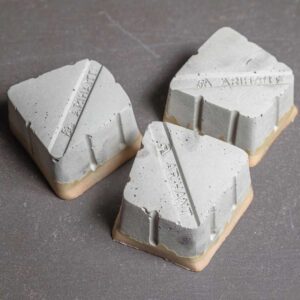
Polishing restores the reflective surface by refining the stone with specialised abrasives.
It helps improve:
- Shine
- Smoothness
- Colour depth
- Surface appearance
The correct choice depends on the desired final finish.
For more expert guidance on marble care and restoration, visit the Maruti Mining Knowledge Base at knowledge-base.
How Professionals Restore Dull Marble
Restoring dull marble requires more than applying a surface polish. A professional restoration process begins by identifying what caused the loss of shine and selecting the correct treatment method.
A typical restoration process may include:
- Surface inspection
- Deep cleaning
- Removal of residues
- Honing where necessary
- Diamond polishing
- Sealing
- Final quality inspection
Each stage is designed to improve the appearance of the stone while protecting its natural structure.
Step 1: Assessing the Condition of the Marble
Before restoration begins, specialists examine the marble carefully.
They look for:
- Etching marks
- Scratches
- Traffic wear
- Stains
- Uneven polish
- Damaged areas
This assessment determines whether the marble requires simple maintenance or a complete restoration process.
For example:
A countertop with minor surface dullness may only need professional polishing.
A heavily worn commercial marble floor may require grinding, honing, and multiple polishing stages.
Step 2: Professional Deep Cleaning
If the problem is caused by surface contamination, deep cleaning may restore the appearance without aggressive restoration.
Professional cleaning removes:
- Grease
- Dirt
- Old residues
- Cleaning product build-up
- Mineral deposits
Unlike household cleaning methods, professional stone cleaning uses products designed specifically for marble surfaces.
This protects the stone while improving clarity and brightness.
Step 3: Removing Etching and Surface Damage
When marble becomes dull marble because of acid etching, ordinary cleaning will not fix the problem.
Etching changes the surface structure of the stone.
Restoration may require:
- Diamond abrasive treatment
- Surface refinement
- Honing
- Polishing
The damaged layer is carefully removed and the surface is gradually refined until the desired finish is achieved.
Step 4: Restoring the Polished Finish
Polished marble reflects light because the surface has been mechanically refined to a smooth finish.
Over time, this reflective layer may become worn.
Professional polishing restores:
- Surface smoothness
- Light reflection
- Colour intensity
- Natural stone beauty
The process uses specialised equipment rather than temporary shine-enhancing products.
Can Marble Polish Restore All Dull Surfaces?
Not every case of dull marble can be solved with polishing alone.
The result depends on:
- Depth of damage
- Age of the stone
- Type of marble
- Previous treatments
- Level of wear
Polishing works best when the surface damage is limited.
However, severely damaged marble may require additional restoration steps.
When Should You Replace Marble Instead of Restoring It?
In many cases, restoration is the preferred option because marble is a durable natural material.
However, replacement may make sense when:
- The slab has deep structural cracks
- The stone has severe permanent damage
- The design no longer suits the space
- Repair costs approach replacement costs
- The marble has failed structurally
A professional assessment helps determine whether restoration or replacement provides better value.
How to Prevent Marble From Becoming Dull Again
Once marble has been restored, correct maintenance is essential.
To protect your investment:
Use Marble-Safe Cleaning Products
Choose cleaners that are:
- pH-neutral
- Designed for natural stone
- Free from harsh acids
Avoid common household cleaners that can damage the polished surface.
Clean Dust and Grit Regularly
Small particles of sand and dirt can act as abrasives.
Regular sweeping or dust removal helps reduce:
- Scratching
- Surface wear
- Loss of shine
This is especially important for marble floors in high-traffic areas.
Use Protective Mats in Busy Areas
Entrance areas experience the highest wear.
Protective mats can reduce the amount of:
- Sand
- Dirt
- Moisture
carried onto the marble surface.
Wipe Spills Quickly
Although marble can be sealed, spills should still be removed quickly.
Pay particular attention to:
- Coffee
- Wine
- Citrus juices
- Cleaning chemicals
- Cooking oils
Fast action reduces the risk of staining and etching.
Does Sealing Prevent Dull Marble?
Sealing does not directly create shine, but it helps protect marble from staining and moisture penetration.
A proper sealer can:
- Reduce absorption
- Improve stain resistance
- Support easier cleaning
- Extend maintenance intervals
However, sealing cannot prevent:
- Scratches
- Acid etching
- Normal wear
- Poor cleaning practices
A complete care programme combines sealing with correct cleaning habits.
Matte Marble vs Dull Marble: What Is the Difference?
Not every non-shiny marble surface is damaged.
Some marble finishes are intentionally designed to be matte.
Honed Marble
Honed marble has a smooth, low-reflective finish created intentionally during fabrication.
It provides:
- A modern appearance
- Reduced glare
- Softer visual texture
Dull Marble
Dull marble refers to a surface that has lost its original appearance due to damage, wear, or contamination.
The difference is important because honed marble does not need restoration—it is already designed that way.
Why Commercial Spaces Need Professional Marble Maintenance
Hotels, offices, shopping centres, and luxury buildings experience higher marble wear because of constant foot traffic.
Without proper maintenance, these surfaces may develop:
- Dull pathways
- Uneven shine
- Scratches
- Surface damage
Regular professional maintenance helps preserve the appearance of:
- Reception floors
- Hotel lobbies
- Staircases
- Retail spaces
- Corporate interiors
A maintenance programme is often more cost-effective than waiting until complete restoration is required.
Clients can also explore premium marble collections at marble-manufacturer-kenya, view granite solutions at top-granite-manufacturer-kenya-maruti-mining, discover engineered quartz surfaces at quartz-stone, or browse completed stone projects at our-works.




Leave a Reply