


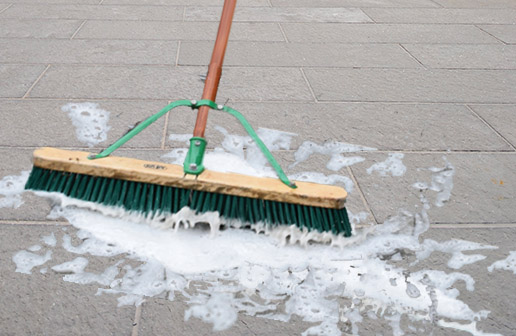
Cleaning natural stone in Kenya requires more care than simply choosing the strongest household cleaner available. Products that appear effective on ordinary ceramic tiles, glass or other household surfaces can be unsuitable for marble, limestone and other natural stones, potentially causing etching, dullness, discolouration or surface deterioration.
This is particularly important because natural stone is a geological material with different mineral compositions, absorption levels and surface finishes.
Recommended Stone Solutions

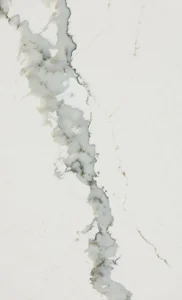

Marble, granite, limestone, travertine and other stones do not all respond to cleaning chemicals in the same way.
A polished marble surface, for example, can be damaged by acidic substances even when the damage initially appears to be a simple stain.
Abrasive powders can also affect the appearance of polished surfaces.
Meanwhile, excessive detergent can leave a film that attracts dust and makes a floor look dull.
In Kenya, everyday conditions can make maintenance even more important. Dust, fine grit, outdoor soil, hard-water deposits, cooking oils, food spills and frequent foot traffic can all contribute to surface contamination.
The solution is not stronger chemistry.
It is correct stone identification, appropriate cleaning products, suitable equipment and consistent preventive maintenance.
Maruti Mining Limited provides natural and engineered stone solutions for architectural projects, and you can visit our Knowledge Base for expert stone-care insights when selecting or maintaining natural stone.
Why Natural Stone Cannot Be Cleaned Like Ordinary Tiles
Natural stone varies significantly in mineral composition, porosity, hardness and chemical sensitivity, so a cleaner that works on one surface may be inappropriate for another.
The first mistake many property owners make is treating all hard flooring as the same material.
A ceramic tile is manufactured from processed materials and fired at high temperatures.
Natural stone is extracted from geological formations and then cut, finished and fabricated.
Its surface may contain minerals that react differently to acids, alkalis, solvents or abrasive materials.
Even two stones from different quarries can behave differently.
This means the cleaning programme should begin with one basic question:
What stone are you cleaning?
Once the material is known, the cleaning method can be selected accordingly.
The Seven Cleaning Mistakes That Damage Natural Stone
Most natural-stone cleaning problems come from unsuitable chemicals, excessive abrasion, poor technique or allowing contaminants to remain on the surface for too long.
The most common mistakes include:
- Using vinegar or other acids on sensitive stone.
- Using bleach without checking compatibility.
- Scrubbing with abrasive powders.
- Using rough brushes or unsuitable pads.
- Applying generic bathroom cleaners.
- Leaving detergent residue on the surface.
- Treating every type of stone and finish identically.
These mistakes can gradually change the appearance of a floor, wall, countertop or staircase.
The damage may not be immediately obvious.
A surface can slowly lose its clarity or develop uneven areas over repeated cleaning.
Why Vinegar Can Damage Marble
Vinegar contains acetic acid, and acidic substances can react with calcium-based stones such as many marbles and limestones, potentially causing etching or loss of surface polish.
This is one of the most important natural-stone cleaning rules.
Vinegar is often promoted as a general household cleaner because it can dissolve certain mineral deposits and help remove some types of residue.
That does not mean it is suitable for every surface.
Marble contains minerals that can react with acids.
When an acidic substance contacts a susceptible marble surface, it can chemically alter the surface rather than simply removing dirt.
The resulting mark may appear as:
- A dull patch
- A cloudy area
- Loss of reflection
- A lightened mark
- An uneven finish
This is known as etching.
Etching is different from ordinary dirt.
Cleaning the area again does not necessarily remove it because the surface itself has been affected.
Why Lemon Is Not a Safe Marble Cleaner
Lemon juice is acidic and should not be treated as a natural alternative to a stone-safe cleaner for acid-sensitive natural stone.
The word “natural” does not mean “safe for natural stone.”
Lemon juice contains citric acid.
If it contacts susceptible marble or limestone, it can create surface changes.
This is particularly relevant in kitchens.
A lemon may be cut directly on or spilled across a countertop.
If the surface is marble, the correct response is prompt removal rather than assuming the acidity will harmlessly disappear.
The same principle applies to other acidic foods and drinks.
What About Orange and Other Citrus Fruits?
Citrus fruits can also contain acids capable of affecting acid-sensitive stone, so spills should be cleaned promptly rather than left to evaporate naturally.
Examples include:
- Oranges
- Lemons
- Limes
- Grapefruit
- Passion fruit products
- Certain fruit-based drinks
The risk depends on the stone and exposure.
A quick spill followed by appropriate cleaning may cause little or no visible problem.
Extended contact can be more problematic.
This is why prompt cleaning matters.
Why Scouring Powder Can Dull Stone
Abrasive cleaning powders can create microscopic scratches or reduce the clarity of polished surfaces, making repeated use unsuitable for many natural stone applications.
A scouring powder may appear effective because it physically removes stubborn dirt.
But the same abrasive action can affect the surface.
This is particularly concerning on:
- Polished marble
- Polished limestone
- Highly finished countertops
- Decorative stone walls
The result may be gradual loss of sheen.
The floor can appear dull even though it is technically clean.
If a surface requires mechanical abrasion to remove a contaminant, the method should be selected specifically for the stone.
Why Steel Wool Can Be a Bad Choice
Steel wool and other aggressive abrasive materials can scratch or alter some stone finishes and should not be used simply because a stain appears difficult to remove.
A common cleaning mistake is escalating from a soft cloth to increasingly aggressive materials.
The thinking is straightforward:
“More scrubbing will remove it.”
But stone cleaning does not work that way.
The objective is to remove the contaminant while preserving the surface.
If the cleaning method damages the stone, the floor may require restoration afterward.
Bleach and Natural Stone
Bleach should not be treated as a universal natural-stone cleaner; its suitability depends on the specific stone, finish, concentration, exposure and manufacturer’s recommendations.
Bleach is widely used for household sanitation.
However, natural stone requires material-specific care.
Repeated exposure to strong chemicals can contribute to surface or finish problems depending on the material and circumstances.
It can also affect:
- Sealers
- Grout
- Adjacent materials
- Metal fixtures
- Colour-sensitive surfaces
The correct approach is to use a product specifically recommended for the stone and intended cleaning task.
If disinfection is necessary, the cleaning and sanitation method should be compatible with the stone.
Why Strong Bathroom Cleaners Can Be Dangerous
Many bathroom cleaners are formulated to dissolve soap scum, mineral deposits or limescale and may contain acids or other ingredients that are unsuitable for acid-sensitive natural stone.
This is particularly relevant around:
- Shower walls
- Bathroom floors
- Vanity tops
- Bath surrounds
A product marketed for bathroom tiles is not automatically safe for marble.
Before applying a bathroom cleaner to natural stone, check its suitability.
If the product contains acids or is not specifically approved for the stone, use an alternative.
Hard-Water Deposits and Natural Stone
Mineral deposits from water can create visible marks on natural stone, but removing them with an acidic cleaner can damage acid-sensitive surfaces.
This creates a common maintenance dilemma.
Water leaves a white deposit.
The owner reaches for vinegar.
The deposit disappears.
But the marble may also develop an etched patch.
The correct solution is to identify both the deposit and the stone.
Specialist stone-safe products may be appropriate.
Mechanical removal may sometimes be necessary.
The method should be selected to solve the deposit without damaging the substrate.
Why Kenyan Water Conditions Matter
Water chemistry varies by location, so mineral deposits can become a recurring maintenance issue in some Kenyan properties, particularly around wet areas and fixtures.
Depending on the local water source and treatment conditions, surfaces may experience mineral residue.
This can appear around:
- Shower areas
- Taps
- Basins
- Countertops
- Floor edges
- Splash zones
The solution should focus on regular removal rather than allowing deposits to build up.
If deposits are persistent, the cleaning method should be reviewed with the stone type in mind.
Dust and Grit in Kenyan Homes
Dust and fine grit are common sources of everyday abrasion, so removing dry particles before wet cleaning is an important part of natural-stone maintenance.
Outdoor soil can enter through:
- Shoes
- Doors
- Windows
- Gardens
- Parking areas
- Construction zones
Once on the floor, grit can be moved repeatedly by foot traffic.
A polished surface may gradually lose some of its appearance.
This is why routine dust removal matters.
Cleaning should not begin with aggressive chemicals when the main problem is simply loose dirt.
Why Dry Dirt Should Be Removed First
Removing loose dust and grit before wet cleaning reduces the amount of abrasive material being moved across the stone during mopping.
A practical sequence is:
- Remove loose dirt.
- Address visible spills.
- Use an appropriate stone-safe cleaning solution.
- Mop or wipe using suitable equipment.
- Remove excess moisture where appropriate.
- Allow the surface to dry according to the material and environment.
The exact procedure depends on the stone and application.
The principle remains consistent:
Remove abrasive particles before moving them around.
Cleaning Polished Natural Stone
Polished stone requires particular care because its reflective finish can reveal scratches, dullness, residue and chemical etching more readily than less reflective finishes.
A polished surface should be cleaned with:
- Soft equipment
- Appropriate stone-safe products
- Controlled moisture
- Regular dust removal
Avoid aggressive abrasive pads unless a professional stone-care process specifically requires them.
A polished surface should also be inspected under appropriate lighting.
What appears clean under ordinary lighting may reveal residue when illuminated from an angle.
Cleaning Honed Stone
Honed stone has a less reflective finish but still requires compatible cleaning products and careful grit control.
The lower sheen can make some surface changes less visually obvious.
That does not mean the surface is immune to damage.
Abrasive particles can still wear the stone.
Acidic chemicals can still affect susceptible materials.
Stains can still penetrate porous stone.
The cleaning method should therefore be based on the stone rather than the assumption that honed surfaces require no care.
Cleaning Textured Natural Stone
Textured and flamed stone can trap more dirt than smooth surfaces, making mechanical removal and appropriate brushing important while still avoiding unnecessarily aggressive cleaning.
Textured surfaces can collect:
- Dust
- Soil
- Food particles
- Soap residue
- Outdoor debris
A suitable soft or medium cleaning brush may be appropriate depending on the stone.
However, the brush should not be selected solely for maximum stiffness.
It should clean the texture without causing unnecessary abrasion.
Cleaning Marble Floors Safely
Marble floors should generally be cleaned with products and methods designed for natural stone, while acidic household cleaners should be avoided unless the specific manufacturer has confirmed compatibility.
A practical marble-care routine can focus on:
- Frequent dust removal
- Prompt spill cleaning
- pH-appropriate stone cleaner
- Soft cleaning equipment
- Regular inspection
- Appropriate professional maintenance
The exact product depends on the marble and finish.
The important principle is compatibility.
Cleaning Granite Floors Safely
Granite is generally durable, but appropriate cleaning still helps preserve its finish and prevents unnecessary exposure to unsuitable chemicals or abrasive materials.
Routine granite maintenance may involve:
- Dust removal
- Stone-safe cleaning
- Prompt spill removal
- Avoidance of harsh abrasive products
- Periodic inspection
Different granite varieties and finishes can have different requirements.
A polished granite surface should be treated differently from a textured outdoor finish.
For projects involving granite, explore Maruti Mining’s granite solutions and confirm the recommended maintenance approach for the selected stone.
Cleaning Limestone
Limestone can require careful maintenance because some varieties are relatively porous and sensitive to acidic substances.
Avoid assuming that a limestone floor can be cleaned using the same products used for ordinary bathroom tiles.
Pay particular attention to:
- Spill response
- Grit removal
- Appropriate cleaning products
- Sealing recommendations
- Wet-area maintenance
The stone’s specific characteristics should determine the cleaning system.
Cleaning Travertine
Travertine requires material-specific care because its natural pores, texture and mineral composition can influence how dirt and cleaning products interact with the surface.
Routine maintenance should focus on:
- Removing loose dirt
- Using suitable stone cleaners
- Avoiding inappropriate acids
- Cleaning textured areas carefully
- Following sealing recommendations where applicable
The same general rule applies:
Know the material before choosing the chemical.
Why Dishwashing Liquid Is Not Always the Best Floor Cleaner
A small amount of a suitable mild detergent may be acceptable for certain applications, but repeated use of products not designed for natural stone can leave residues that accumulate on the surface.
Detergent residue can make a floor appear:
- Cloudy
- Sticky
- Dull
- Dirty soon after cleaning
The residue may also attract additional dust.
If a floor seems to become dirty unusually quickly after cleaning, the cleaning product itself may be contributing to the problem.
A stone-specific cleaner may provide better long-term results.
Why Too Much Cleaner Can Be a Problem
Using more cleaning product does not necessarily produce a cleaner stone surface and can instead leave additional residue that requires further rinsing.
Follow the product’s recommended dilution.
Do not assume that doubling the concentration will double the cleaning performance.
This is especially important for large floors.
Overuse can create:
- Film
- Residue
- Sticky surfaces
- Increased dust attraction
- Unnecessary chemical exposure
Correct dilution is part of professional maintenance.
Why Dirty Mops Can Spread Problems
A dirty mop can redistribute grit and contaminants rather than removing them, so cleaning equipment should be washed and maintained throughout the cleaning process.
This is particularly important in large buildings.
A mop used in an entrance area may collect significant grit.
If it is then used across a clean marble floor, the grit can be redistributed.
Cleaning equipment should therefore be managed as part of the maintenance system.
Cleaning Stone Countertops
Natural stone countertops require faster spill response than many floor applications because food, oils, acids and cleaning products can remain concentrated in small areas.
Kitchen countertops are exposed to:
- Coffee
- Tea
- Oils
- Sauces
- Fruit
- Lemon
- Vinegar
- Cosmetics
- Cleaning chemicals
Wipe spills promptly.
Use a product suitable for the countertop material.
Avoid treating the surface as a cutting board or chemical workbench.
For countertop projects, explore Maruti Mining’s quartz surfaces and compare the maintenance characteristics of the selected material before installation.
Why Acid Etching Is Not the Same as a Stain
A stain is material deposited into or onto the stone, while etching is a change to the surface caused by chemical reaction; therefore, cleaning may remove a stain but cannot simply wash away an etched area.
This distinction prevents many maintenance mistakes.
Suppose lemon juice touches marble.
The resulting mark looks lighter.
The owner may attempt to clean it repeatedly.
But if the surface has been etched, additional cleaning will not restore the original polish.
The stone may require professional honing or polishing.
This is why prevention is so important.
How to Recognise Possible Etching
Etching can appear as dull or cloudy areas, particularly when viewed from an angle or under directional light on polished stone.
The area may look different from the surrounding surface.
It may not feel significantly different when touched.
The visual difference can be subtle.
If you suspect etching, avoid experimenting with increasingly aggressive chemicals.
Seek a proper assessment.
What to Do About a Stone Stain
The correct treatment for a stone stain depends on what caused it, how long it has been present and the characteristics of the stone, so random chemical experimentation should be avoided.
Identify the likely contaminant.
Possible categories include:
- Oil-based
- Organic
- Rust
- Mineral
- Paint
- Food
- Ink
Different stains require different approaches.
A treatment that works for oil may be inappropriate for rust.
A chemical suitable for one stone may damage another.
Professional assessment is often appropriate for persistent stains.
Why Rust Stains Are Difficult
Rust-related marks can require specialised treatment, and aggressive acidic rust removers may be unsuitable for certain natural stones.
Rust can come from:
- Metal furniture
- Construction materials
- Fixtures
- Water
- Tools
The correct treatment depends on the stone.
Do not automatically apply a strong rust remover.
Natural stone chemistry matters.
Oil Stains on Natural Stone
Oil can penetrate porous natural stone and may require a different treatment from ordinary surface dirt.
Oil can come from:
- Cooking
- Machinery
- Food preparation
- Vehicle-related areas
A routine mop may not remove an established oil stain.
A suitable stone-safe degreasing approach may be required.
The treatment should be tested where appropriate.
Why Abrasive Brushes Can Be Dangerous
A stiff brush may remove dirt quickly but can also create unnecessary abrasion on certain stone finishes, especially when combined with grit.
The correct brush depends on:
- Stone hardness
- Surface finish
- Texture
- Contaminant
- Cleaning frequency
The goal is sufficient mechanical action without unnecessary surface damage.
Natural Stone Sealing
Some natural stones benefit from sealing because an appropriate impregnating treatment can reduce absorption of certain substances, but sealing does not make the stone maintenance-free.
Sealing should be based on the stone.
The relevant questions are:
- Is the stone absorbent?
- What is the finish?
- Where is it installed?
- What contaminants are expected?
- What sealer is compatible?
A sealer should not be selected solely because it promises “maximum protection.”
The treatment must be suitable for the specific stone.
What Sealing Does Not Prevent
Sealing does not make natural stone scratch-proof, acid-proof or completely stain-proof, and it does not replace correct cleaning and grit control.
Even a sealed floor can experience:
- Scratches
- Abrasion
- Etching
- Surface wear
- Damage from unsuitable chemicals
Sealing should therefore be one component of a broader maintenance strategy.
How Often Should Natural Stone Be Cleaned?
Cleaning frequency should be determined by traffic, exposure and use rather than by a universal schedule.
A lightly used residential room may need minimal daily attention.
A hotel lobby may require multiple cleaning cycles each day.
A kitchen may require immediate spill response.
An outdoor stone area may accumulate more dust and soil.
The best schedule is the one that matches actual conditions.
Daily Natural Stone Maintenance
Daily maintenance should focus on removing loose dirt and dealing with spills before they become more difficult to remove.
A practical routine may include:
- Dust or vacuum appropriate areas.
- Check entrances.
- Remove visible grit.
- Wipe spills promptly.
- Clean high-traffic zones.
- Inspect countertops after food preparation.
This approach is more effective than waiting for the entire floor to become visibly dirty.
Weekly Maintenance
Weekly maintenance should include a closer inspection of the stone, grout, edges and high-traffic areas to identify developing problems early.
Look for:
- Dull areas
- Scratches
- Stains
- Grout discolouration
- Water deposits
- Damaged seals
- Accumulated dirt
Early detection can reduce restoration costs.
Professional Stone Maintenance
Professional maintenance becomes useful when routine cleaning can no longer restore the intended appearance or when the surface has accumulated scratches, etching, stains or significant wear.
Professional services may include:
- Deep cleaning
- Honing
- Polishing
- Grinding
- Stain treatment
- Surface restoration
- Sealing where appropriate
The service should be matched to the problem.
For example, polishing will not necessarily solve every stain.
Grinding may be unnecessary if the problem is only surface residue.
A proper assessment should come first.
Protecting Stone During Cleaning
Cleaning itself should never become a source of damage, so equipment, chemicals and technique must be selected according to the stone’s characteristics.
Before beginning, identify:
- Stone type
- Finish
- Contamination
- Cleaning product
- Equipment
- Required dilution
Then test the method where appropriate.
This is especially important for unfamiliar stone.
Why Test Areas Matter
Testing a cleaning method in an inconspicuous area can reveal whether a chemical or technique changes the stone before the entire surface is exposed.
This is useful when:
- The stone is old.
- The stone type is uncertain.
- A new cleaning product is being introduced.
- The surface has a special finish.
- A stubborn stain requires treatment.
The test should be representative.
A method that works on one stone cannot automatically be transferred to another.
What About Steam Cleaning?
Steam cleaning should be evaluated according to the specific stone, installation and equipment because heat and moisture can interact differently with different materials and construction systems.
It should not be assumed to be universally safe.
Before using steam equipment, consider:
- Stone type
- Sealer
- Grout
- Installation
- Moisture sensitivity
- Manufacturer recommendations
Professional guidance may be appropriate.
Cleaning Grout Around Natural Stone
Grout should be cleaned using methods compatible with both the grout and adjacent stone because a chemical that is effective on grout can potentially damage the stone surface.
This is especially important with marble.
A strong acidic grout cleaner may affect calcium-based stone.
The cleaning method should therefore be selected for the entire system.
Do not think of the grout as a separate surface.
It sits directly beside the stone.
Natural Stone in High-Traffic Areas
High-traffic areas require stronger preventive maintenance because dirt and grit are introduced more frequently and the surface experiences repeated abrasion.
Examples include:
- Hotel entrances
- Shopping centres
- Office reception areas
- Restaurants
- Apartment lobbies
- Public buildings
These areas may require:
- Larger mats
- More frequent cleaning
- Regular inspections
- Periodic professional maintenance
The goal is to maintain the floor before visible deterioration becomes widespread.
Cleaning Natural Stone After Construction
Construction residue should be removed using methods specifically appropriate for the stone because cement, grout, paint and adhesive residues can be difficult to remove once cured.
Post-construction cleaning should ideally be planned before installation.
The project team should know:
- What materials will be used.
- Which residues are likely.
- Which cleaners are safe.
- How the stone will be protected during remaining works.
Never assume that a strong acid is the correct solution for cement residue.
The stone’s chemical sensitivity must be considered.
Why Cement Residue Can Be Dangerous
Cement and grout residues may tempt contractors to use acidic cleaning chemicals, but these can damage acid-sensitive stones such as many marbles and limestones.
A better approach is to prevent residue from curing on the surface where possible.
Protect the floor.
Clean spills promptly.
Use suitable removal methods.
Follow the stone and product manufacturer’s recommendations.
The Importance of Training Cleaning Staff
Even the correct products can cause damage if cleaning staff do not understand which stone they are maintaining and which chemicals are approved.
A property should maintain a simple record showing:
- Stone type
- Approved cleaner
- Dilution
- Cleaning method
- Prohibited chemicals
- Maintenance schedule
- Sealing information
This is particularly valuable for commercial properties.
New cleaning staff should receive the same information.
A Natural Stone Cleaning Checklist
A simple checklist can prevent many of the cleaning mistakes that gradually damage natural stone surfaces.
Before cleaning, ask:
1. What stone is this?
Marble, granite, limestone and other stones may require different approaches.
2. What is the finish?
Polished, honed and textured surfaces can behave differently.
3. What am I trying to remove?
Dust, oil, mineral deposits and stains require different approaches.
4. Is the cleaner compatible?
Check the product instructions.
5. Is the equipment suitable?
Avoid unnecessary abrasion.
6. Have loose grit and dust been removed?
Do this before wet cleaning.
7. Has the product been tested?
Especially important for unfamiliar materials or treatments.
8. Is the stone sealed?
Know the condition of the surface before applying chemicals.
9. Is professional restoration needed?
Do not try increasingly aggressive methods if the surface is already damaged.
The Seven Products and Practices to Avoid
The safest cleaning programme begins by identifying what should not be used indiscriminately on natural stone.
Be particularly cautious with:
Vinegar
Acidic and potentially damaging to acid-sensitive stone.
Lemon juice
Also acidic and unsuitable as a general marble cleaner.
Strong acidic bathroom cleaners
Can etch marble and limestone.
Abrasive scouring powders
Can dull or scratch sensitive finishes.
Steel wool
Can create unnecessary abrasion.
Unapproved chemical disinfectants
May affect stone or sealers.
Excess detergent
Can leave a residue that attracts dirt.
The correct alternative is not necessarily one universal cleaner.
It is a product appropriate for the specific stone and cleaning requirement.
Why Natural Stone Care Is an Investment
Good cleaning practices preserve the appearance of a stone installation and can reduce the need for expensive restoration or premature replacement.
Natural stone is often selected for its long-term architectural value.
That value is easier to preserve when the maintenance programme begins from day one.
Preventive care is usually less disruptive than restoration.
It also helps maintain the original design intent.
Final Guide to Cleaning Natural Stone in Kenya
Cleaning natural stone in Kenya should focus on material compatibility, gentle mechanical cleaning, grit removal, prompt spill response and avoiding everyday products that can chemically or physically damage the surface.
The most important rule is simple:
Do not clean natural stone by assuming that stronger means better.
Know the stone.
Know the finish.
Know the contaminant.
Then select the cleaning method.
For marble and other acid-sensitive stones, avoid casually using vinegar, lemon juice or acidic bathroom cleaners.
Avoid abrasive powders and aggressive scrubbing on polished surfaces.
Do not allow grit to remain on high-traffic floors.
Remove dust and loose particles before wet cleaning.
Use appropriate entrance mats where outdoor dirt is introduced.
Respond quickly to spills.
Use furniture protection where necessary.
Follow the manufacturer’s maintenance recommendations.
If sealing is appropriate, select a compatible treatment.
And when a surface develops etching, persistent staining or significant wear, seek professional assessment rather than repeatedly experimenting with stronger chemicals.
Natural stone can provide exceptional beauty and longevity, but its performance depends on understanding the material.
Marble requires a different approach from granite.
A polished floor requires different care from a textured exterior surface.
A kitchen countertop experiences different contaminants from a hotel lobby.
The maintenance programme should therefore be designed around the actual stone and its environment.
For architects, developers, homeowners and facility managers, this approach protects not only the stone but also the investment made in the building.
A floor that is cleaned correctly can retain its intended appearance for many years.
A countertop that is maintained correctly can remain functional and attractive.
A marble surface that is protected from acids and abrasive grit can preserve its finish far more effectively than one exposed repeatedly to unsuitable household products.
The goal is not complicated.
Remove dirt without damaging the stone.
Prevent grit from becoming an abrasive.
Prevent acids from reaching sensitive surfaces.
Use the correct products.
Maintain the surface consistently.
For assistance selecting natural stone, understanding maintenance requirements or planning a stone project, explore our completed stone projects or contact the Maruti Mining team for project consultation.
You May Also Like


Bring Your Vision to Life in Stone
Imagine a space defined by elegance, durability, and timeless beauty. At Maruti Mining Limited, we transform your vision into reality with the finest selection of granite, marble, and quartz, backed by expert fabrication and installation.
Contact our team for a consultation and let’s create a legacy set in stone.
CUSTOM FABRICATION & INSTALLATION ACROSS EAST AFRICA
✔ Premium Collection of Over 80 Stone Varieties
✔ Expert Cutting, Polishing & Installation
✔ Free Project Consultation & Quote
✔ Serving Kenya (Nairobi, Karen, Mombasa), Uganda, Tanzania & beyond.
Request Your Free Consultation:
Maruti Mining Limited
Email: [email protected]
Phone: +254 736 701 174 | +254 728 789 164 | +254 733 519 836
Visit Us: Nairobi, Kenya
Website: https://marutimining.com/
Leave a Reply