


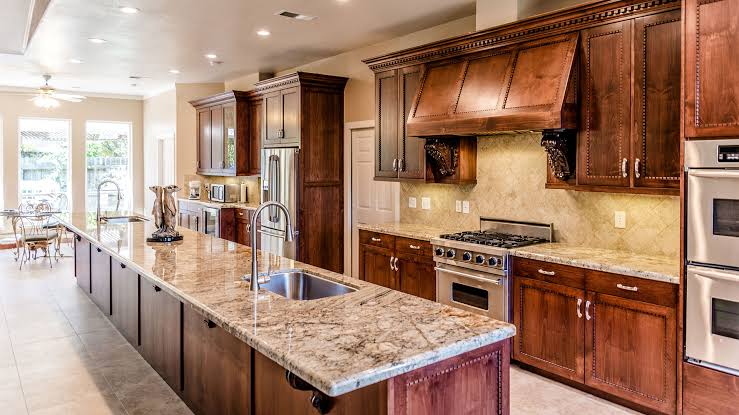
Choosing a kitchen countertop involves balancing appearance, durability, maintenance, and long-term performance. While colour and design often receive the most attention, stain resistance is equally important, particularly in busy kitchens where cooking, entertaining, and food preparation are everyday activities. Understanding stain resistant countertops in Kenya helps homeowners choose a surface that remains attractive despite exposure to coffee, wine, cooking oil, turmeric, tomato sauce, and other common household substances.
Many buyers assume that every stone countertop offers similar protection against stains, but this is not the case. Marble, granite, engineered quartz, and porcelain each have unique characteristics that affect how they respond to liquids and coloured foods. Some materials naturally absorb moisture more slowly, while others rely on sealers or manufacturing processes to improve stain resistance.
Recommended Stone Solutions



For example, granite is a dense natural stone that performs very well when properly sealed. Marble offers timeless elegance but is generally more porous and requires careful maintenance. Engineered quartz combines natural quartz with resin binders to produce a highly stain-resistant surface that does not usually require sealing. Porcelain, manufactured under extremely high temperatures, is exceptionally dense and has one of the lowest absorption rates of any countertop material.
Understanding these differences allows homeowners, architects, interior designers, contractors, and developers to select a countertop that matches both their lifestyle and maintenance preferences.
At Maruti Mining Limited, we help clients compare premium natural stone and engineered surfaces to ensure every kitchen combines beauty with lasting performance.
Explore premium granite, marble, quartzite, and engineered quartz collections from Maruti Mining Limited at marutimining.
What Makes a Countertop Stain Resistant?
Stain resistant countertops in Kenya slow or prevent liquids from penetrating the surface, making spills easier to remove before permanent marks develop.
Several factors influence stain resistance, including:
- Material density
- Surface porosity
- Manufacturing process
- Protective sealers
- Surface finish
- Daily maintenance
The lower the absorption rate, the more resistant the countertop is to staining.
Common Kitchen Stains
Kitchen worktops are exposed to many substances every day.
Common staining agents include:
- Cooking oil
- Red wine
- Coffee
- Tea
- Turmeric
- Tomato sauce
- Beetroot juice
- Food colouring
- Soy sauce
- Fruit juice
Some substances penetrate stone more easily than others, especially if spills are left unattended.
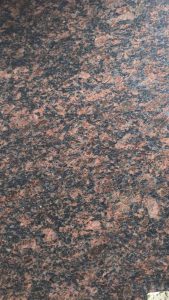
Granite Countertops
Granite is one of the most popular stain resistant countertops in Kenya because it combines natural density with excellent durability.
When properly sealed, granite resists many everyday household stains.
Advantages include:
- Good stain resistance
- Excellent durability
- Scratch resistance
- Heat resistance
- Long lifespan
Periodic sealing helps maintain its protective barrier and reduce liquid absorption.
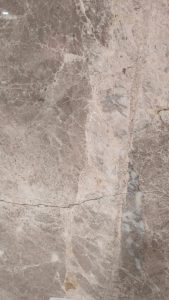
Marble Countertops
Marble is admired for its elegant veining and timeless beauty.
However, compared to granite, marble is generally:
- More porous
- More susceptible to staining
- More prone to etching from acidic foods
Prompt cleaning and regular sealing help preserve its appearance.
Many homeowners choose marble despite these maintenance requirements because of its unmatched aesthetic appeal.
Engineered Quartz Countertops
Engineered quartz is among the most stain resistant countertops in Kenya because its manufacturing process creates a dense, low-porosity surface.
Natural quartz particles are combined with resin binders to produce a consistent material that resists many common household stains.
Benefits include:
- Excellent stain resistance
- No routine sealing
- Low maintenance
- Consistent colours
- Easy cleaning
These qualities have made quartz one of the most popular choices for modern kitchens.
Porcelain Countertops
Porcelain is manufactured by firing refined minerals at extremely high temperatures.
This process creates a surface that offers:
- Very low water absorption
- Excellent stain resistance
- Heat resistance
- UV stability
- Easy maintenance
Porcelain is particularly suitable for kitchens where durability and hygiene are priorities.
Does Sealing Improve Stain Resistance?
Yes—for natural stone.
Sealing improves the performance of stain resistant countertops in Kenya made from granite, marble, and some quartzites by slowing the absorption of liquids.
A penetrating sealer does not create a waterproof coating but gives homeowners more time to clean spills before they can leave marks.
Engineered quartz and porcelain generally do not require routine sealing because of their low porosity.
Oil, Wine and Turmeric: Which Is Hardest to Remove?
Different substances behave differently depending on the countertop material.
Cooking Oil
Oil can penetrate porous natural stone if the protective sealer has worn away.
Red Wine
Wine contains both pigments and acids, making prompt cleaning important, particularly on marble.
Turmeric
Turmeric is one of the most challenging kitchen stains because its strong yellow pigment can discolour porous surfaces if left for extended periods.
Quick cleanup significantly reduces the risk of staining on all countertop materials.
Daily Habits That Prevent Stains
Simple maintenance goes a long way.
Recommended practices include:
- Wipe spills immediately
- Use chopping boards
- Clean with stone-safe products
- Avoid leaving food residues overnight
- Maintain sealers where required
- Use coasters beneath coloured beverages
These habits help preserve every type of countertop.
Common Myths About Stain Resistance
Several misconceptions often confuse buyers.
Myth: Granite never stains.
Reality: Granite is highly stain resistant when properly sealed, but it can absorb liquids if the sealer has deteriorated.
Myth: Quartz cannot stain.
Reality: Quartz is highly resistant to staining, but prolonged exposure to certain chemicals or pigments should still be avoided.
Myth: Marble is unsuitable for kitchens.
Reality: Marble performs well when properly maintained, although it requires more care than granite or quartz.
For more expert countertop advice and natural stone guidance, visit the Maruti Mining Knowledge Base at knowledge-base.
Comparing the Most Stain Resistant Countertops in Kenya
Choosing between the most stain resistant countertops in Kenya depends on balancing stain protection with appearance, maintenance, durability, and budget. Every material has strengths, and understanding those differences helps you make a confident investment.
Granite: Excellent Natural Protection
Granite remains one of the most popular kitchen countertop materials because it combines natural beauty with impressive durability.
Advantages include:
- Excellent stain resistance when sealed
- High scratch resistance
- Outstanding heat resistance
- Long service life
- Wide range of natural colours
Routine sealing helps granite continue resisting oils, wine, coffee, and many everyday kitchen spills.
Quartz: Low Maintenance Performance
Engineered quartz is one of the easiest countertop materials to maintain.
Benefits include:
- Excellent stain resistance
- No routine sealing
- Consistent colours and patterns
- Smooth, non-porous surface
- Easy day-to-day cleaning
For busy households that prioritise convenience, quartz is often one of the best choices.
Porcelain: Exceptional Resistance
Porcelain offers one of the lowest absorption rates among countertop materials.
Advantages include:
- Extremely low porosity
- Excellent stain resistance
- UV resistance
- Heat resistance
- Easy maintenance
Because liquids remain on the surface rather than soaking into it, porcelain is particularly suitable for modern kitchens and outdoor cooking spaces.
Marble: Elegant but Higher Maintenance
Marble delivers timeless luxury but requires greater attention than most other countertop materials.
Characteristics include:
- Beautiful natural veining
- Premium appearance
- Greater porosity than granite
- Regular sealing recommended
- Prompt cleaning required
Homeowners who appreciate natural marble often consider the additional maintenance worthwhile because of its unique aesthetic appeal.
Which Countertop Handles Oil Best?
Cooking oils can gradually penetrate porous stone if left unattended.
Among the common countertop materials:
- Properly sealed granite performs very well.
- Engineered quartz offers excellent resistance because of its low porosity.
- Porcelain provides outstanding protection.
- Marble benefits from immediate cleanup and regular sealing.
Regardless of the material, wiping up oil promptly is always recommended.
How Coffee and Tea Affect Countertops
Coffee and tea contain pigments that can stain porous materials over time.
A stain resistant countertop in Kenya makes cleanup much easier, especially when spills are removed quickly.
Routine cleaning after preparing beverages helps preserve the appearance of all countertop surfaces.
What About Tomato Sauce and Curry?
Foods containing:
- Tomatoes
- Turmeric
- Curry spices
- Beetroot
- Berries
can leave strong pigments on kitchen worktops.
Dense materials such as quartz and porcelain generally resist these stains very well, while sealed granite also performs strongly.
Marble requires more attention because pigments can penetrate more readily if spills are left for extended periods.
Does the Surface Finish Matter?
Yes.
Surface finish influences how moisture and dirt interact with the countertop.
Polished Finish
Advantages include:
- Easier cleaning
- Better stain resistance
- Smooth surface
- Enhanced colour depth
Honed Finish
Honed surfaces provide:
- Soft matte appearance
- Contemporary styling
- Reduced glare
However, because the finish is less reflective, marks and moisture may sometimes be more noticeable than on polished surfaces.
Everyday Habits That Improve Stain Resistance
Even the best stain resistant countertops in Kenya benefit from good maintenance practices.
Simple habits include:
- Clean spills immediately.
- Use chopping boards.
- Avoid placing highly pigmented foods directly on the countertop.
- Use pH-neutral cleaners.
- Maintain granite and marble sealers where recommended.
- Wipe surfaces dry after cleaning.
These habits help maintain the beauty of both natural stone and engineered surfaces.
Choosing the Right Countertop for Your Lifestyle
Every household uses the kitchen differently.
If you cook frequently with strongly coloured ingredients, stain resistance becomes especially important.
When comparing materials, consider:
- Daily cooking habits
- Cleaning preferences
- Maintenance expectations
- Budget
- Design style
- Long-term durability
Selecting the right material from the beginning reduces maintenance and improves long-term satisfaction.
Why Professional Advice Matters
Professional stone specialists help homeowners compare countertop materials using practical performance criteria rather than marketing claims.
They consider:
- Intended use
- Household size
- Cooking habits
- Maintenance preferences
- Interior design goals
- Budget
This personalised approach helps ensure the selected countertop performs well for many years.
Clients can also explore premium granite collections at top-granite-manufacturer-kenya-maruti-mining, discover elegant marble surfaces at marble-manufacturer-kenya, view engineered quartz collections at quartz-stone, or browse completed natural stone projects at our-works.




Leave a Reply