


Choosing a kitchen countertop involves much more than selecting a colour or pattern. Modern homeowners also want a surface that can withstand everyday cooking, hot cookware, spills, and years of regular use. One of the most misunderstood characteristics when comparing materials is heat resistance. Understanding heat resistant countertops in Kenya helps buyers select a surface that matches the way they cook and use their kitchens.
A common misconception is that all stone countertops react the same way to heat. In reality, natural granite, engineered quartz, marble, quartzite, and porcelain each behave differently when exposed to hot pots, pans, baking trays, and cooking appliances.
Recommended Stone Solutions



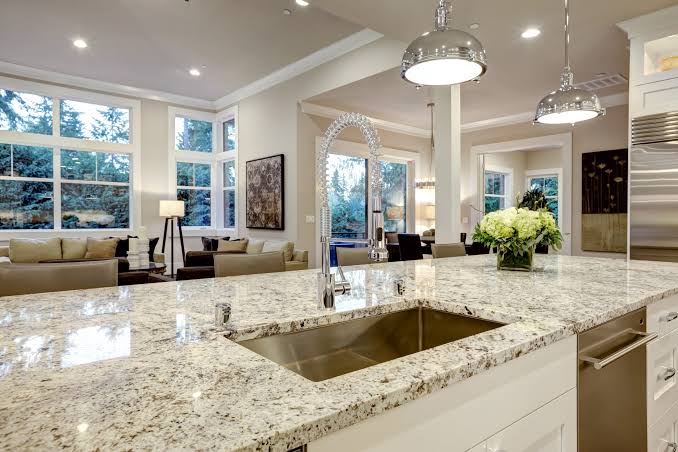
Granite is formed under intense geological heat and pressure over millions of years, giving it exceptional resistance to high temperatures encountered in everyday kitchens. Engineered quartz, however, contains natural quartz particles bound together with polymer resins. While the quartz itself is highly heat resistant, the resin component can be damaged by excessive temperatures, leading to scorch marks, discolouration, or surface distortion if extremely hot cookware is placed directly onto the worktop.
Porcelain surfaces also offer excellent heat resistance because they are manufactured at extremely high firing temperatures. This makes them another strong option for homeowners who frequently cook.
Understanding the differences between these materials allows homeowners, architects, interior designers, and developers to make informed decisions based on lifestyle rather than marketing claims.
At Maruti Mining Limited, we help clients compare premium natural stone and engineered surfaces to ensure every countertop combines beauty, durability, and practical performance.
Explore premium granite, marble, quartzite, and engineered quartz collections from Maruti Mining Limited at marutimining.
What Makes a Countertop Heat Resistant?
Heat resistant countertops in Kenya are designed to tolerate exposure to elevated temperatures without cracking, burning, or permanently changing appearance under normal kitchen use.
Heat resistance depends on several factors, including:
- Material composition
- Manufacturing process
- Surface density
- Resin content
- Thermal expansion properties
- Installation quality
Not every countertop responds to heat in the same way.
Understanding Heat in Everyday Kitchens
Kitchen worktops are regularly exposed to:
- Hot saucepans
- Frying pans
- Baking trays
- Slow cookers
- Air fryers
- Electric kettles
- Coffee machines
Although these appliances generate heat, not every surface reacts identically.
Knowing how each material performs helps reduce the risk of accidental damage.
Why Granite Performs So Well
Granite is one of the most popular heat resistant countertops in Kenya because it is a natural stone formed under extreme geological temperatures and pressures.
Its natural mineral composition gives it outstanding resistance to everyday kitchen heat.
Granite offers:
- Excellent thermal stability
- High durability
- Strong scratch resistance
- Long service life
- Minimal risk of scorching under normal household cooking conditions
These qualities make granite a preferred choice for busy family kitchens and commercial food preparation areas.
Why Quartz Can Scorch
Although engineered quartz contains natural quartz minerals, it also contains polymer resins that are more sensitive to excessive heat.
During manufacturing, crushed quartz is combined with resin binders and pigments to create a consistent surface.
The quartz itself tolerates heat well.
However, the resin component may become damaged if exposed to temperatures beyond its design limits.
Possible effects include:
- Discolouration
- Scorch marks
- Surface dullness
- Resin damage
- Permanent cosmetic changes
This is why manufacturers commonly recommend placing trivets or heat pads beneath hot cookware.
Does This Mean Quartz Is a Poor Countertop?
Not at all.
Engineered quartz remains one of the most popular countertop materials because it offers:
- Consistent colours
- Excellent stain resistance
- Low maintenance
- No routine sealing
- Modern appearance
For everyday cooking, quartz performs extremely well when basic heat protection practices are followed.
How Porcelain Handles Heat
Porcelain countertops are manufactured by firing mineral materials at extremely high temperatures.
As a result, porcelain provides:
- Excellent heat resistance
- UV stability
- Scratch resistance
- Low porosity
- Easy maintenance
These characteristics make porcelain an increasingly popular option for both indoor and outdoor kitchens.
What About Marble?
Marble is naturally heat resistant because it is a genuine stone.
However, homeowners should remember that marble is generally softer than granite and more susceptible to:
- Etching
- Scratching
- Acidic spills
Although hot cookware may not easily scorch marble, proper care is still recommended to preserve its polished finish.
Quartzite: A Natural Alternative
Quartzite combines impressive hardness with excellent resistance to heat.
Benefits include:
- Natural beauty
- High durability
- Strong heat resistance
- Scratch resistance
Quartzite is often selected by homeowners who want the appearance of marble with greater durability.
Heat Resistance Does Not Mean Heat Proof
One of the biggest misconceptions is that heat-resistant surfaces are completely immune to damage.
Even the best heat resistant countertops in Kenya benefit from sensible use.
Best practices include:
- Using trivets
- Avoiding prolonged heat exposure
- Preventing thermal shock
- Following manufacturer recommendations
These habits help extend the lifespan of any countertop material.
Common Myths About Countertop Heat Resistance
Several myths continue to confuse buyers.
Myth: All stone countertops perform the same.
Reality: Granite, marble, quartzite, engineered quartz, and porcelain each have different heat characteristics.
Myth: Quartz melts easily.
Reality: Quartz minerals tolerate heat well, but excessive temperatures can affect the resin that binds engineered quartz together.
Myth: Granite cannot be damaged by heat.
Reality: Granite is highly heat resistant, but good kitchen practices still help preserve the finish and reduce unnecessary thermal stress.
For more expert countertop advice and natural stone guidance, visit the Maruti Mining Knowledge Base at knowledge-base.
Comparing the Most Heat Resistant Countertops in Kenya
Not all heat resistant countertops in Kenya offer the same level of protection against hot cookware. Understanding how different materials respond to heat helps homeowners choose the right worktop for their cooking habits and maintenance expectations.
Below is a general comparison of the most common countertop materials.
Granite: Excellent Heat Resistance
Granite remains one of the best-performing materials for kitchens where cooking is frequent.
Advantages include:
- Exceptional natural heat resistance
- High scratch resistance
- Long lifespan
- Suitable for heavy daily use
- Excellent durability
Granite is particularly suitable for busy family kitchens where hot pots and pans are regularly moved around during food preparation.
Porcelain: Outstanding Performance
Porcelain countertops are manufactured under extremely high temperatures, making them highly resistant to everyday kitchen heat.
Benefits include:
- Excellent heat resistance
- UV resistance
- Low water absorption
- Stain resistance
- Easy maintenance
Porcelain is also suitable for outdoor kitchens because prolonged sunlight does not normally affect its colour.
Quartzite: Naturally Heat Resistant
Quartzite offers the beauty of natural stone with excellent durability.
Advantages include:
- Strong resistance to heat
- High hardness
- Natural veining
- Excellent wear resistance
Quartzite is often chosen for luxury kitchens where homeowners want both elegance and practical performance.
Marble: Heat Resistant but Softer
Marble tolerates normal cooking temperatures well because it is a natural stone.
However, compared to granite, it is generally:
- Softer
- More prone to scratching
- More susceptible to etching from acidic foods
Many homeowners still choose marble because of its timeless appearance rather than its resistance to heavy wear.
Engineered Quartz: Excellent Everyday Performance
Although engineered quartz is not the most heat-tolerant surface, it offers many advantages.
These include:
- Consistent colours
- Excellent stain resistance
- Low maintenance
- No routine sealing
- Modern appearance
Using trivets or heat pads beneath very hot cookware helps protect the resin component and preserve the surface.
What Is Thermal Shock?
Thermal shock occurs when a material experiences a sudden and significant change in temperature.
Examples include:
- Placing an extremely hot pan onto a cold surface
- Rapid cooling after intense heating
- Concentrated heat on one small area
Although many heat resistant countertops in Kenya are designed to tolerate everyday kitchen temperatures, avoiding sudden temperature extremes helps protect any worktop.
Everyday Habits That Protect Countertops
Simple habits can significantly extend the lifespan of kitchen surfaces.
Good practices include:
- Use trivets for hot cookware
- Place heat-resistant mats beneath baking trays
- Avoid dragging heavy cookware
- Wipe spills promptly
- Use chopping boards instead of cutting directly on the stone
- Follow the manufacturer’s care recommendations
These practices benefit granite, quartz, porcelain, marble, and quartzite alike.
Does Countertop Thickness Affect Heat Resistance?
Thickness mainly influences the structural strength and appearance of the countertop rather than its ability to withstand heat.
For example:
- 20mm and 30mm granite both offer excellent heat resistance.
- Quartz performance is still influenced primarily by its resin content rather than slab thickness.
- Porcelain heat resistance comes from the manufacturing process rather than increased thickness.
Material composition plays a greater role than thickness when comparing heat performance.
Heat Around Hobs and Cooktops
The areas surrounding cooking appliances experience the greatest thermal exposure.
Professional designers consider:
- Hob location
- Appliance clearances
- Ventilation
- Countertop material
- Splashback selection
Proper planning helps distribute heat safely while maintaining the long-term appearance of the countertop.
Kitchens That Benefit Most from Heat Resistant Countertops in Kenya
A heat resistant countertop in Kenya is particularly valuable in:
- Family kitchens
- Open-plan homes
- Restaurants
- Hotels
- Cafés
- Commercial kitchens
- Outdoor cooking areas
These environments often involve frequent cooking and repeated exposure to hot cookware.
Why Professional Advice Matters
Choosing the right countertop involves balancing several factors, including:
- Heat resistance
- Appearance
- Budget
- Maintenance
- Scratch resistance
- Stain resistance
- Intended use
An experienced stone specialist can explain the strengths of each material and recommend the most suitable surface for your lifestyle and project.
Clients can also explore premium granite collections at top-granite-manufacturer-kenya-maruti-mining, discover elegant marble surfaces at marble-manufacturer-kenya, view engineered quartz collections at quartz-stone, or browse completed natural stone installations at our-works.


Leave a Reply