


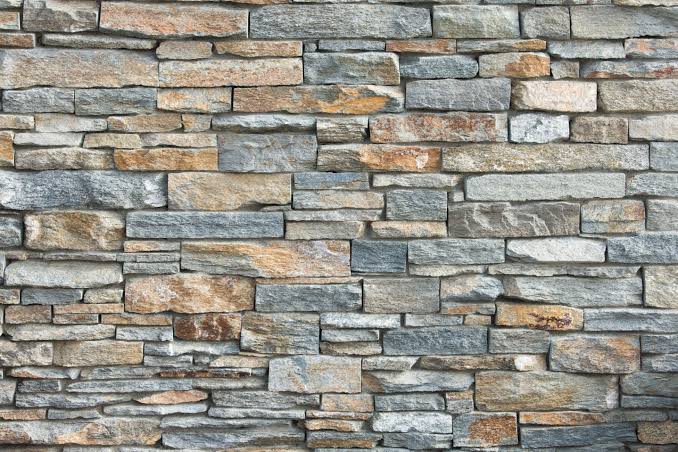
Natural stone transforms ordinary buildings into timeless architectural landmarks. Whether used on luxury homes, commercial towers, hotels, office blocks, shopping centres, or institutional buildings, stone cladding delivers elegance, durability, and long-term value. However, the success of any stone cladding in Kenya project depends not only on selecting premium stone but also on installing it using the correct support system.
A common misconception is that a high-quality adhesive is sufficient for every stone cladding application. While adhesives play an important role, relying on adhesive alone for tall walls can create significant structural risks. As the height of a building increases, gravity, wind loads, temperature changes, moisture movement, and the weight of the stone itself place increasing stress on the installation.
Recommended Stone Solutions



For this reason, professional stone façade systems often combine adhesives with mechanical anchors or engineered fixing systems. These components work together to improve safety, distribute loads, and provide long-term stability.
Understanding stone cladding in Kenya helps homeowners, architects, developers, and contractors make informed decisions that protect both the appearance and structural integrity of their buildings.
At Maruti Mining Limited, we help clients select suitable natural stone materials while providing guidance on installation systems that support safe and durable cladding projects.
Explore premium natural stone collections from Maruti Mining Limited at marutimining.
What Is Stone Cladding?
Stone cladding in Kenya is the installation of natural stone panels or tiles onto walls to create a durable decorative surface while the building structure provides the primary support.
Unlike solid stone walls, cladding uses a structural wall behind the stone.
Common applications include:
- Building façades
- Feature walls
- Hotel entrances
- Office buildings
- Residential exteriors
- Interior feature walls
- Commercial developments
Stone cladding delivers the appearance of solid masonry while reducing overall construction weight.
Why Is Stone Cladding So Popular?
Natural stone continues to be one of the most desirable architectural finishes because it combines beauty with long-term durability.
Benefits include:
- Premium appearance
- Natural variation
- Weather resistance
- Long service life
- Increased property value
- Low maintenance
- Timeless design
These qualities make stone cladding suitable for both contemporary and traditional architecture.
The Role of Adhesive in Stone Cladding
Adhesive forms an important part of many stone cladding systems, but it should not always be considered the sole means of support.
Modern stone adhesives help:
- Bond the stone to the substrate
- Reduce movement
- Improve stability
- Distribute loads
- Assist installation
However, adhesive performance depends on:
- Surface preparation
- Stone weight
- Environmental conditions
- Installation quality
- Building height
These factors become increasingly important on larger projects.
Why Adhesive Alone Can Fail on Tall Walls
As wall height increases, the forces acting on the stone also increase, making adhesive alone unsuitable for many high-level installations.
Several factors contribute to this challenge.
Gravity
Every stone panel has weight.
As installation height increases, gravity continuously acts on each panel.
The adhesive must resist this force throughout the life of the building.
If the installation system is not designed correctly, the bond may gradually weaken.
Wind Loads
Tall buildings experience stronger wind pressures than low-rise structures.
Wind can create:
- Suction forces
- Pressure changes
- Repeated loading cycles
Mechanical fixing systems help resist these additional forces.
Thermal Movement
Stone and building materials expand and contract as temperatures change.
Over time, these movements create stress within the installation.
A properly engineered fixing system accommodates movement more effectively than adhesive alone.
Moisture
Exterior walls are exposed to:
- Rain
- Humidity
- Temperature fluctuations
Moisture may influence both the substrate and the adhesive system.
Appropriate detailing and drainage help improve long-term performance.
What Are Mechanical Anchors?
Mechanical anchors are engineered fixing systems that physically secure stone panels to the supporting structure.
Rather than depending solely on adhesive, anchors provide additional structural security.
Mechanical fixing systems may include:
- Stainless steel anchors
- Aluminium support systems
- Kerf anchors
- Undercut anchors
- Adjustable brackets
- Rail systems
The appropriate solution depends on the project requirements.
Why Mechanical Anchors Improve Safety
Mechanical anchors provide several important benefits.
They help:
- Carry structural loads
- Reduce reliance on adhesive
- Improve resistance to wind forces
- Support larger stone panels
- Increase long-term reliability
- Enhance installation safety
This is why many professional façade systems use a combination of adhesive and mechanical support rather than relying on adhesive alone.
Which Projects Typically Require Mechanical Anchors?
Mechanical support is commonly considered for:
- Multi-storey buildings
- Commercial developments
- Hotels
- Hospitals
- Shopping centres
- Office towers
- Large residential façades
Project engineers determine the appropriate fixing method based on structural calculations and applicable building requirements.
Interior vs Exterior Stone Cladding
The installation requirements for interior walls often differ from those for exterior façades.
Interior Cladding
Interior feature walls usually experience:
- Stable temperatures
- Limited moisture
- Lower wind exposure
Depending on the application, adhesive systems may be suitable when properly specified.
Exterior Cladding
Exterior stone cladding experiences:
- Weather exposure
- Wind loading
- Rain
- Temperature changes
- UV exposure
These conditions often require more sophisticated fixing systems.
Common Mistakes in Stone Cladding Projects
Several installation errors increase the risk of long-term problems.
Common mistakes include:
- Relying solely on adhesive for tall walls
- Ignoring structural engineering recommendations
- Using unsuitable adhesives
- Poor substrate preparation
- Incorrect joint detailing
- Inadequate drainage planning
- Improper installation techniques
Professional design and installation significantly reduce these risks.
For more expert guidance on natural stone installation, visit the Maruti Mining Knowledge Base at knowledge-base.
Choosing the Right Stone for Cladding
The success of any stone cladding in Kenya project begins with selecting the appropriate natural stone for the environment and installation method.
Every type of natural stone has unique characteristics that influence its suitability for wall cladding.
Factors considered during selection include:
- Stone density
- Weight
- Water absorption
- Surface finish
- Weather resistance
- Panel size
- Installation location
Choosing the right stone helps maximise both safety and long-term appearance.
Granite Wall Cladding
Granite is one of the most popular materials for stone cladding in Kenya because of its exceptional durability.
Advantages include:
- Excellent weather resistance
- High compressive strength
- Scratch resistance
- Low maintenance
- Wide range of colours and finishes
Granite performs particularly well on exterior façades exposed to changing weather conditions.
Marble Wall Cladding
Marble remains a favourite for prestigious architectural projects because of its elegant natural veining.
It is commonly specified for:
- Hotel lobbies
- Luxury residences
- Reception areas
- Feature walls
- High-end commercial interiors
For exterior applications, marble requires careful consideration of environmental conditions and an appropriate fixing system.
Quartzite Wall Cladding
Quartzite combines natural beauty with impressive hardness.
Benefits include:
- Excellent durability
- Attractive natural patterns
- Good resistance to wear
- Suitable for both interior and exterior applications
Professional installation helps ensure that quartzite panels remain securely fixed throughout their service life.
Large Format Stone Panels
Modern architecture increasingly favours larger stone panels because they create:
- Fewer visible joints
- Cleaner façades
- Contemporary aesthetics
- Strong visual impact
However, larger panels also increase:
- Individual panel weight
- Installation complexity
- Structural loading
These projects often require engineered support systems designed specifically for large-format cladding.
Why the Substrate Matters
The wall behind the stone is just as important as the stone itself.
Before cladding begins, professionals evaluate whether the substrate is:
- Structurally sound
- Level
- Properly cured
- Clean
- Suitable for the selected fixing system
A weak or unstable substrate can compromise the entire installation, regardless of the quality of the adhesive or anchors.
Expansion Joints in Stone Cladding
Buildings naturally expand and contract because of:
- Temperature changes
- Structural movement
- Moisture variation
Expansion joints allow controlled movement within the cladding system, reducing stress on the stone.
Correct joint design helps minimise the risk of:
- Cracking
- Panel movement
- Bond failure
- Water ingress
Joint placement should always form part of the overall façade design.
Moisture Management Behind Stone Cladding
One of the most overlooked aspects of stone cladding in Kenya is moisture management.
Rainwater and condensation can reach the space behind the stone if detailing is inadequate.
Professional systems incorporate features that help manage moisture, including:
- Drainage paths
- Ventilation cavities
- Flashings
- Waterproof membranes where appropriate
Effective moisture control contributes to the long-term performance of the cladding system.
Why Installation Quality Matters
Even premium stone and engineered fixing systems can perform poorly if installation standards are compromised.
Professional installers focus on:
- Accurate measurements
- Correct anchor positioning
- Proper adhesive application
- Consistent joint spacing
- Secure panel alignment
- High-quality finishing
Attention to detail during installation improves both appearance and structural performance.
Common Signs of Poor Stone Cladding Installation
Poor workmanship may become visible over time.
Warning signs include:
- Loose panels
- Hollow sounds
- Uneven joints
- Cracks
- Water staining
- Misaligned stone
- Visible movement
Regular inspections help identify issues before they become major structural concerns.
Maintenance of Stone-Clad Buildings
Natural stone cladding requires relatively little maintenance compared to many other exterior finishes.
Recommended maintenance includes:
- Routine visual inspections
- Gentle cleaning using suitable stone products
- Checking joints and sealants
- Inspecting mechanical fixings where accessible
- Prompt repair of any damaged panels
Avoid using aggressive chemicals or abrasive cleaning methods that may damage the stone surface.
Why Professional Design Is Essential
Every stone cladding in Kenya project is unique.
Professional designers and engineers evaluate:
- Building height
- Stone type
- Panel dimensions
- Wind exposure
- Structural loads
- Installation method
- Environmental conditions
This integrated approach helps ensure that the finished cladding remains safe, durable, and visually impressive for decades.
Clients can also explore premium granite collections at top-granite-manufacturer-kenya-maruti-mining, discover elegant marble surfaces at marble-manufacturer-kenya, view engineered quartz collections at quartz-stone, or browse completed stone projects at our-works.


Leave a Reply