


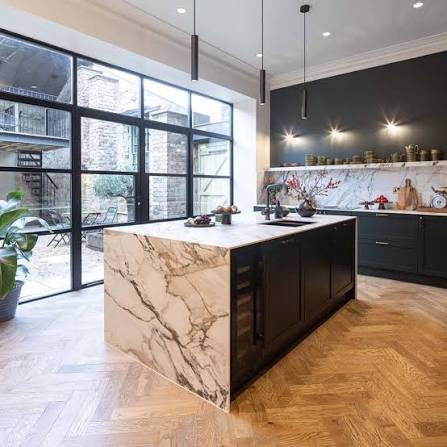
A kitchen island is often the centrepiece of a modern home, serving as both a functional workspace and a striking design feature. In recent years, one style has become particularly popular in luxury residential and commercial interiors: the waterfall island in Kenya. Recognisable by its continuous stone surface that flows from the countertop vertically down one or both sides of the island, a waterfall design creates a clean, architectural appearance that instantly elevates the entire kitchen.
While the visual impact is undeniable, many homeowners are surprised to discover that a waterfall island often requires significantly more material than a standard island. Depending on the dimensions and stone selected, the vertical panels may require part of an additional slab—or even an entire extra slab. This naturally increases material, fabrication, transportation, and installation costs.
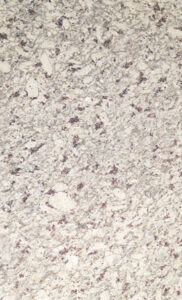
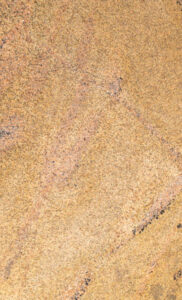
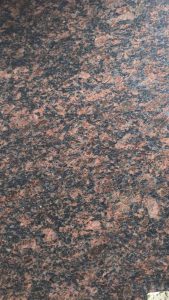
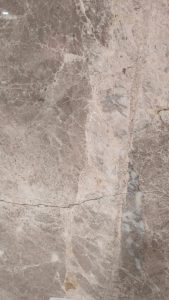
Recommended Stone Solutions

The decision therefore goes beyond aesthetics. Buyers need to understand how slab sizes, pattern matching, fabrication techniques, and installation requirements influence the final quotation. In some kitchens, a waterfall island offers outstanding value by transforming the space into a premium focal point. In others, the additional expense may outweigh the visual benefit.
Understanding waterfall island in Kenya helps homeowners, architects, interior designers, and developers decide whether this contemporary feature suits their project, budget, and overall design goals.
At Maruti Mining Limited, we help clients evaluate slab layouts before fabrication, ensuring waterfall islands achieve the desired visual effect while making efficient use of premium natural stone and engineered quartz.
You can explore our complete range of marble, granite, quartz, quartzite, and other architectural stone surfaces available through Maruti Mining Limited at marutimining.
What Is a Waterfall Island?
A waterfall island features a countertop that extends vertically down one or both ends of the kitchen island.
Instead of ending at the worktop edge, the stone continues seamlessly to the floor, creating the appearance of one continuous sculptural element.
This design is commonly used in:
- Modern kitchens
- Luxury apartments
- Contemporary homes
- Hotels
- Executive lounges
- High-end commercial interiors
Why Waterfall Islands Are So Popular
The popularity of the waterfall island in Kenya continues to grow because it combines functionality with dramatic visual appeal.
Key benefits include:
- Luxury appearance
- Seamless modern design
- Protection for cabinet ends
- Strong architectural presence
- Enhanced property appeal
It transforms an ordinary island into a statement feature.
Does a Waterfall Island Require More Stone?
In most cases, yes.
The vertical panels require additional material beyond the horizontal countertop.
The total amount depends on:
- Island dimensions
- Stone slab size
- Pattern direction
- Material layout
Large islands often require careful slab planning to minimise waste.
Why an Extra Slab May Be Needed
A waterfall panel cannot simply be made from leftover pieces if visual consistency is important.
Fabricators often need additional material to achieve:
- Continuous veining
- Matching colour
- Correct pattern orientation
- Structural integrity
Depending on the layout, this may require part or all of another slab.
Which Stones Work Best?
Waterfall islands can be fabricated from several premium materials.
Popular options include:
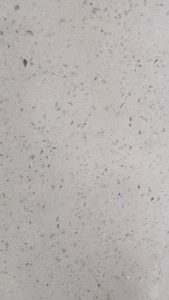
Quartz
Engineered quartz provides:
- Consistent colour
- Excellent stain resistance
- Modern finishes
- Low maintenance
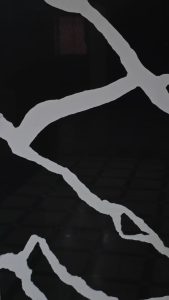
Marble
Marble offers:
- Elegant veining
- Timeless luxury
- Natural beauty
- Premium character
Granite
Granite provides:
- Outstanding durability
- Heat resistance
- Scratch resistance
- Natural variation
Quartzite
Quartzite combines:
- Dramatic natural patterns
- Exceptional hardness
- Luxury appearance
Each material creates a different visual effect.
Why Vein Matching Matters
One of the defining characteristics of a premium waterfall island is continuous veining.
Professional fabricators carefully align:
- Countertop patterns
- Vertical panels
- Corner joints
This creates the illusion that the island has been carved from one continuous block of stone.
Fabrication Requirements
Producing a waterfall island requires precision fabrication.
Typical processes include:
- Digital templating
- CNC cutting
- Mitred edge fabrication
- Pattern matching
- Professional polishing
- Trial assembly
These additional fabrication stages contribute to the overall project cost.
Installation Complexity
Installing waterfall panels is generally more demanding than fitting a standard countertop.
Professional installers must ensure:
- Accurate alignment
- Perfect joints
- Secure structural support
- Level installation
- Pattern continuity
Careful installation is essential to achieve the seamless appearance waterfall islands are known for.
For additional guidance, you can also visit our Knowledge Base for expert insights at knowledge-base.
What Makes a Waterfall Island More Expensive?
When evaluating the cost of a waterfall island in Kenya, it is important to understand that you are paying for more than additional stone. The design requires extra planning, specialist fabrication, and precise installation.
The overall quotation may include:
- Additional slab material
- Digital templating
- Pattern matching
- Mitred edge fabrication
- CNC cutting
- Extra polishing
- Transportation
- Specialist installation
Each of these contributes to the finished quality of the island.
Where the Extra Slab Goes
Many buyers assume the vertical waterfall panel can always be cut from leftover material.
In reality, this depends on:
- Island dimensions
- Slab size
- Vein direction
- Stone pattern
- Required orientation
If the remaining offcut cannot produce a visually consistent waterfall panel, an additional slab may be required.
Single-Sided vs Double-Sided Waterfall Islands
Not every waterfall island needs panels on both ends.
Single Waterfall
Advantages include:
- Lower material consumption
- Reduced fabrication costs
- Contemporary appearance
- Ideal for semi-open kitchens
Double Waterfall
Benefits include:
- Symmetrical design
- Greater visual impact
- Premium architectural styling
- Better protection for both cabinet ends
The choice often depends on kitchen layout, visibility, and budget.
Waterfall Islands and Open-Plan Living
Modern homes increasingly use kitchens as part of larger living spaces.
A waterfall island helps define the kitchen while maintaining an open and uncluttered appearance.
It works particularly well in:
- Open-plan homes
- Luxury apartments
- Entertaining spaces
- Contemporary family kitchens
The island naturally becomes the focal point of the room.
Combining Waterfall Panels with Mitred Edges
Many premium waterfall islands use mitred edges to create the appearance of a thicker countertop.
This combination provides:
- A 40mm visual profile
- Clean corner transitions
- Seamless appearance
- Modern minimalist styling
When professionally fabricated, the mitred joint is designed to blend discreetly into the stone.
Choosing the Right Material
Different stones create different design effects.
Quartz
Ideal for homeowners seeking:
- Low maintenance
- Consistent colours
- Contemporary finishes
Marble
Perfect for:
- Luxury interiors
- Dramatic natural veining
- Timeless elegance
Granite
Recommended where:
- Durability is essential
- Heavy daily use is expected
- Natural variation is appreciated
Quartzite
Excellent for projects requiring:
- Premium natural appearance
- Exceptional hardness
- Bold veining
The best choice depends on lifestyle, maintenance expectations, and design preferences.
Can Offcuts Be Reused?
In some projects, unused material can be repurposed for:
- Bathroom vanity tops
- Utility room worktops
- Shelves
- Window sills
- Coffee tables
- Splashbacks
Professional slab planning helps maximise material utilisation and minimise waste.
Common Mistakes When Planning a Waterfall Island
Prioritising Price Over Design
Selecting the cheapest layout may interrupt natural veining or create unnecessary joints.
A carefully planned waterfall often delivers better long-term value.
Ignoring Slab Layout
Without proper planning, the waterfall panels may not align naturally with the countertop.
Digital slab layout should always be completed before fabrication begins.
Overlooking Site Access
Large waterfall panels require careful transportation and handling.
Confirm that installers can safely move the fabricated pieces through:
- Gates
- Doorways
- Corridors
- Staircases
- Lifts
Early site inspections help avoid costly installation delays.
Questions to Ask Before Ordering
Before approving a waterfall island design, ask your supplier:
- Will the waterfall require an additional slab?
- Can the veining be matched across the corner?
- Are mitred edges included?
- Does the quotation include installation?
- Can I view the full slab before fabrication?
- Can any offcuts be reused elsewhere in the project?
These questions help you understand both the visual outcome and the overall investment.
Clients can also learn more about premium marble collections at marble-manufacturer-kenya, explore our granite range at top-granite-manufacturer-kenya-maruti-mining, discover engineered quartz surfaces at quartz-stone, or browse completed stone installations at our-works.


Leave a Reply