


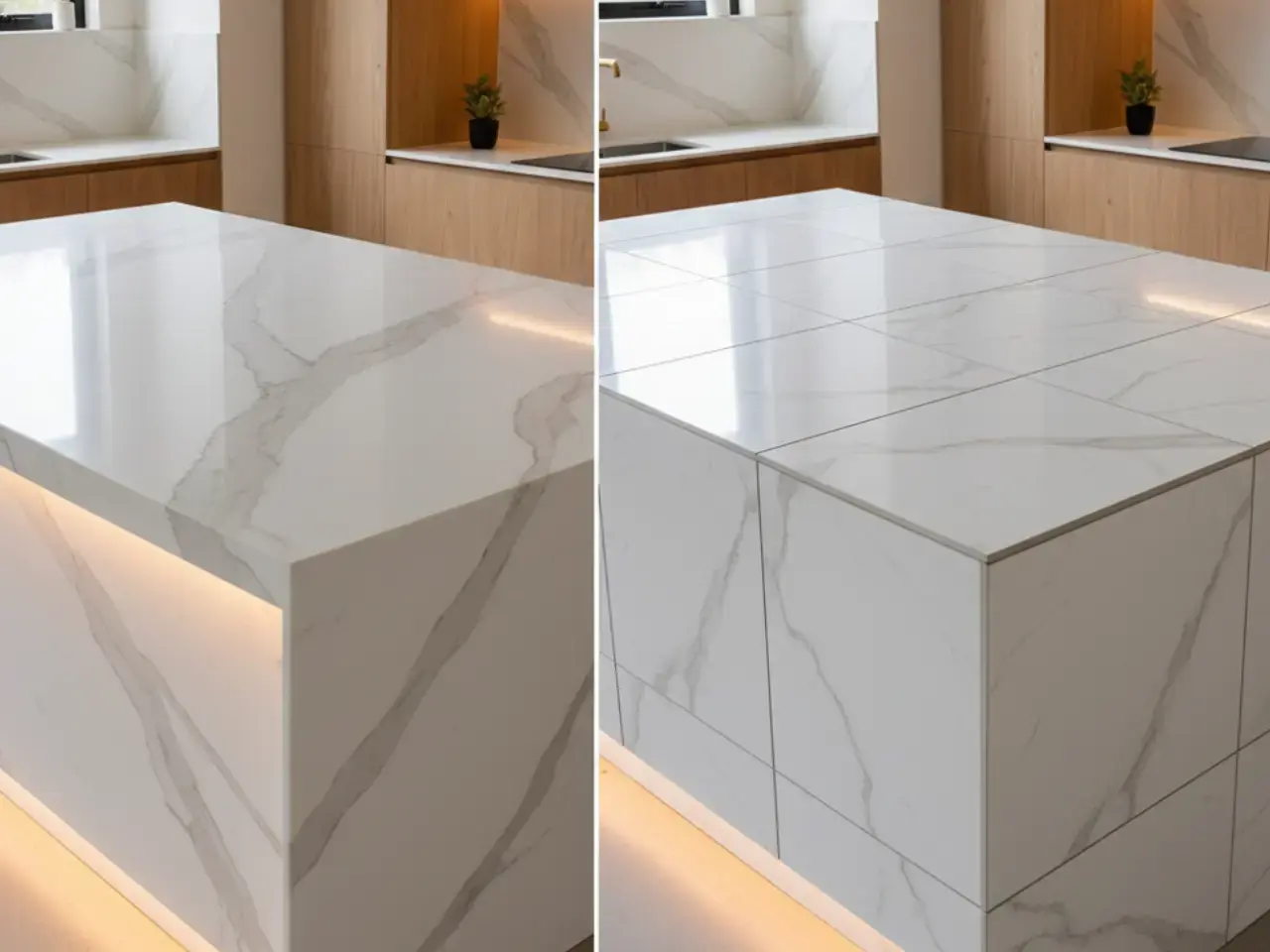
Natural stone remains one of the most desirable building materials for homes, commercial buildings, hotels, and luxury developments. Whether specifying marble, granite, quartzite, travertine, or engineered quartz, one of the first decisions buyers face is whether to install full slabs or use cut tiles. Understanding the differences between stone slab vs tile in Kenya helps homeowners, architects, contractors, and developers choose the most suitable solution for their project, budget, and long-term expectations.
At first glance, tiles often appear to be the more economical option because they require a lower initial investment and are familiar to many installers. However, full stone slabs offer significant advantages that extend far beyond appearance. Large-format slabs create seamless surfaces with fewer joints, preserve the natural movement of the stone, reduce visual interruptions, and often deliver a more luxurious architectural finish. These characteristics explain why slabs are widely specified for premium kitchens, reception areas, feature walls, executive offices, hospitality projects, and bespoke furniture.
Recommended Stone Solutions


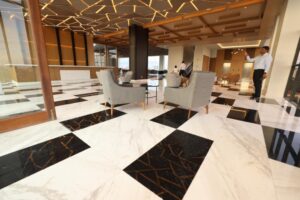
Tiles continue to play an important role in construction. They provide practical solutions for floors, bathrooms, balconies, and areas where modular installation offers design flexibility. Smaller tile formats also simplify transportation and can reduce material costs for certain projects. Nevertheless, every grout joint represents a visual break in the natural stone, and the overall appearance differs considerably from a continuous slab installation.
Choosing between stone slab vs tile in Kenya involves much more than comparing prices. Factors such as installation time, material waste, structural requirements, maintenance, long-term durability, resale value, and the desired architectural effect all influence the final decision. What works perfectly for a residential bathroom floor may not deliver the same impact in a luxury kitchen or hotel reception.
Rather than viewing slabs and tiles as competing products, experienced designers evaluate the purpose of each space before selecting the appropriate format. Many successful projects combine both, using slabs for high-impact architectural features and tiles where modular installation offers practical advantages.
At Maruti Mining Limited, we help clients compare slabs and tiles based on performance, aesthetics, budget, and long-term value. Whether you are planning a residential renovation, commercial development, or luxury hospitality project, understanding these differences will help you make a confident and informed investment.
You can explore the complete collection of premium granite, marble, quartz, and other architectural stone surfaces available through Maruti Mining Limited at marutimining and compare full slabs alongside cut stone products suitable for projects throughout Kenya and East Africa.
What Is a Stone Slab?
A stone slab is a large section of natural or engineered stone cut directly from a quarry block or manufactured panel.
Depending on the material, slabs are commonly used for:
- Kitchen worktops
- Bathroom vanity tops
- Reception counters
- Dining tables
- Wall cladding
- Staircases
- Feature walls
Because slabs cover large areas with minimal joints, they create an elegant and uninterrupted appearance.
For additional information about natural stone, you can visit our Knowledge Base for expert insights at knowledge-base.
What Is a Stone Tile?
Stone tiles are smaller sections cut from larger slabs.
They are commonly used for:
- Flooring
- Bathrooms
- Patios
- Wall finishes
- Balconies
- Commercial interiors
Tiles are installed individually with grout joints separating each piece.
The Biggest Visual Difference
The most obvious distinction in stone slab vs tile in Kenya is the finished appearance.
Slabs create:
- Large continuous surfaces
- Minimal joints
- Natural pattern flow
- Premium architectural finishes
Tiles produce:
- Modular layouts
- Repeating joints
- Smaller pattern sections
- Flexible installation designs
The desired visual effect often determines which option is most appropriate.
Joints and Grout Lines
Every tile installation includes grout joints.
Although necessary for installation, grout lines:
- Interrupt natural veining
- Require maintenance
- Influence cleaning
- Affect overall appearance
Slabs significantly reduce visible joints, especially on worktops, feature walls, and reception counters.
Natural Veining
Natural stone forms unique mineral movement over millions of years.
Full slabs preserve this continuous geological pattern.
This makes slabs especially desirable for:
- Marble
- Quartzite
- Exotic granite
- Onyx
Tiles divide the natural movement into smaller sections, reducing the visual impact of the stone.
Material Waste
Material efficiency varies depending on the application.
Slabs may generate offcuts during fabrication, particularly around sinks, hobs, and irregular layouts.
Tiles may produce waste during cutting around:
- Corners
- Doorways
- Columns
- Curved walls
Experienced fabricators minimise waste regardless of the chosen format.
Installation Speed
Installation methods differ considerably.
Tiles require:
- Individual placement
- Grouting
- Joint alignment
- Levelling
Large slabs require specialised handling equipment but often cover greater surface areas more quickly once positioned.
Structural Considerations
Full slabs generally require stronger support because of their size and weight.
Professional assessment ensures appropriate structural support for:
- Kitchen islands
- Large counters
- Staircases
- Wall panels
Tiles distribute weight across numerous smaller pieces, making them suitable for a wider range of substrates.
Cost Comparison
When evaluating stone slab vs tile in Kenya, cost should be considered alongside long-term performance.
Factors affecting investment include:
- Material type
- Installation
- Fabrication
- Transportation
- Project size
- Labour requirements
Although slabs often involve a higher initial investment, they may provide greater architectural impact and long-term value in premium applications.
For inspiration, you can also explore our gallery of completed projects at our-works.
Maintenance Requirements
One of the most practical considerations in stone slab vs tile in Kenya is long-term maintenance. Although both options can provide decades of reliable service when professionally installed, the amount of cleaning and maintenance required differs because of the number of joints involved.
Full slabs generally have very few joints, making routine cleaning quicker and reducing the areas where dirt can accumulate.
Stone tiles contain numerous grout lines that require periodic attention, particularly in high-traffic or moisture-prone environments.
Routine maintenance for both options typically includes:
- Regular dust removal
- Cleaning with pH-neutral stone cleaners
- Prompt removal of spills
- Professional sealing where appropriate
The specific maintenance schedule depends on the type of stone selected and the environment in which it is installed.
Durability
Natural stone is renowned for its exceptional longevity.
When comparing stone slab vs tile in Kenya, durability depends more on the stone itself than on whether it is supplied as a slab or tile.
Granite, marble, quartzite, travertine, limestone, and engineered quartz all have different physical characteristics.
Long-term performance is influenced by:
- Material selection
- Installation quality
- Structural support
- Maintenance practices
- Intended application
Professional installation plays a major role in ensuring maximum durability.
Design Flexibility
Tiles offer considerable flexibility when creating decorative layouts.
Popular tile patterns include:
- Running bond
- Herringbone
- Chevron
- Basket weave
- Modular layouts
These arrangements allow designers to create distinctive floors and wall finishes.
Slabs provide a different type of flexibility by showcasing uninterrupted natural veining and allowing book-matched feature walls or large seamless worktops.
Best Applications for Stone Slabs
Full slabs are typically the preferred choice where visual continuity is important.
They are commonly specified for:
- Kitchen worktops
- Bathroom vanity tops
- Reception desks
- Dining tables
- Feature walls
- Stair treads
- Fireplace surrounds
- Executive offices
The minimal number of joints creates an elegant architectural finish.
Best Applications for Stone Tiles
Tiles remain an excellent solution for many construction projects.
Typical applications include:
- Residential flooring
- Bathrooms
- Outdoor patios
- Swimming pool surrounds
- Balconies
- Commercial floors
- Wall cladding
Their modular format makes them suitable for both small and large areas.
Installation Complexity
Installing full stone slabs in Kenya generally requires specialised lifting equipment, experienced fabricators, and careful planning because of the weight and size of the material.
Professional slab installation often includes:
- Digital templating
- Precision cutting
- Mechanical lifting
- Joint alignment
- Final polishing
Tile installation is usually less dependent on heavy lifting equipment but requires careful levelling and consistent grout spacing.
Repair Considerations
If damage occurs, repair methods differ.
Individual tiles can often be replaced without affecting the surrounding installation.
Large slabs may require more specialised repair techniques depending on the extent and location of the damage.
Preventative care and professional installation greatly reduce the likelihood of significant repairs.
Impact on Property Value
Premium stone finishes often contribute to the perceived value of residential and commercial properties.
Large-format slabs are frequently associated with:
- Luxury kitchens
- High-end hospitality
- Executive offices
- Contemporary architecture
Tiles continue to provide attractive and practical finishes but generally create a different architectural impression.
Choosing the Right Material
The decision between stone slab vs tile in Kenya should always begin with the project’s objectives.
Important considerations include:
- Budget
- Design style
- Room size
- Installation timeline
- Maintenance expectations
- Long-term value
Rather than selecting solely on initial cost, evaluating the overall lifecycle of the material helps ensure the most appropriate investment.
Stone Types Available as Both Slabs and Tiles
Many premium materials are available in both formats, allowing designers to maintain consistency throughout a project.
Popular options include:
- Granite
- Marble
- Quartzite
- Travertine
- Limestone
- Engineered quartz
Clients comparing different materials can also explore our extensive collection of granite at top-granite-manufacturer-kenya-maruti-mining, learn more about marble options at marble-manufacturer-kenya, or discover the full range of quartz surfaces at quartz-stone.
Common Misconceptions
Several misconceptions influence the decision between stone slab vs tile in Kenya.
“Tiles Always Cost Less”
Although the initial material price may be lower, total project costs depend on:
- Installation
- Labour
- Waste
- Grouting
- Maintenance
The complete project should always be evaluated rather than material cost alone.
“Slabs Are Only for Luxury Homes”
Full slabs are increasingly specified for offices, restaurants, hotels, retail spaces, and modern residential developments because of their durability and visual appeal.
“Tiles Are Easier to Maintain”
While individual tiles are straightforward to clean, grout joints require ongoing attention that full slab installations largely avoid.
For many applications, the reduced number of joints makes slabs simpler to maintain over time.
Professional Fabrication Makes the Difference
Whether you choose full slabs or tiles, professional workmanship is essential for achieving the best results. In the comparison of stone slab vs tile in Kenya, fabrication and installation quality often have a greater influence on the finished project than the material format itself.
For slab installations, experienced fabricators carefully inspect the selected stone before cutting begins. The natural veining, mineral movement, and colour distribution are evaluated to ensure the finished installation delivers the strongest visual impact.
Professional slab fabrication typically includes:
- Material consultation
- Digital templating
- CNC precision cutting
- Sink and hob cut-outs
- Edge profiling
- Surface polishing
- Quality inspection
- Professional installation
Tile installations also benefit from skilled workmanship, particularly where pattern alignment, grout spacing, and level surfaces are critical.
Long-Term Maintenance
Both slabs and tiles provide excellent long-term performance when properly maintained.
Routine care generally includes:
Daily Cleaning
Maintain surfaces using:
- Soft microfibre cloths
- Warm water
- pH-neutral stone cleaners
Routine cleaning preserves the appearance of both natural and engineered stone.
Sealing Where Required
Some natural stones benefit from professional sealing depending on:
- Stone type
- Surface finish
- Installation location
- Frequency of use
Proper sealing supports long-term surface protection.
Protecting the Surface
Simple everyday precautions help extend the life of stone installations.
These include:
- Using coasters
- Using chopping boards
- Avoiding unnecessary impacts
- Cleaning spills promptly
These habits help preserve both slabs and tiled installations.
Common Buying Mistakes
When comparing stone slab vs tile in Kenya, buyers sometimes focus on only one aspect of the project.
Avoid these common mistakes.
Looking Only at Initial Cost
The purchase price represents only one part of the overall investment.
Other factors include:
- Fabrication
- Installation
- Maintenance
- Longevity
- Visual impact
Evaluating total lifecycle value often leads to a better decision.
Choosing Without Viewing the Material
Natural stone varies considerably.
Whenever possible, inspect complete slabs or representative tile batches before making a final selection.
This allows you to evaluate:
- Colour
- Veining
- Mineral movement
- Surface finish
Ignoring the Installation Environment
Different spaces have different technical requirements.
For example:
- Kitchens may benefit from seamless slabs.
- Bathrooms may suit stone tiles.
- Reception counters often use full slabs.
- Outdoor paving frequently uses textured stone tiles.
Selecting materials according to their intended application improves long-term performance.
Using Inexperienced Installers
Even premium stone cannot compensate for poor workmanship.
Professional installation ensures:
- Accurate measurements
- Correct substrate preparation
- Proper support
- Precise alignment
- High-quality finishing
When Full Slabs Are Worth the Extra Cost
Although slabs generally involve a higher initial investment, there are many situations where they deliver outstanding value.
Full slabs are often the preferred choice for:
- Luxury kitchen worktops
- Large islands
- Bathroom vanity tops
- Reception counters
- Executive offices
- Dining tables
- Statement feature walls
Their seamless appearance, uninterrupted natural veining, and premium architectural character often justify the additional investment.
When Tiles Make More Sense
Stone tiles remain an excellent solution for many construction projects.
They are particularly suitable for:
- Residential flooring
- Commercial floors
- Outdoor patios
- Balconies
- Bathrooms
- Swimming pool surrounds
- Feature wall accents
Their modular format offers design flexibility while remaining practical for projects covering extensive floor areas.
Why Choose Maruti Mining Limited
Choosing between slabs and tiles is easier when supported by experienced natural stone specialists. At Maruti Mining Limited, we help homeowners, architects, contractors, developers, and interior designers select the most appropriate stone solution based on design objectives, performance requirements, and long-term value.
Our services include:
- Professional material consultation
- Premium slab sourcing
- Natural stone tile selection
- Precision CNC fabrication
- Custom edge profiling
- Surface finishing
- Professional installation support
Whether your project involves kitchen worktops, flooring, wall cladding, reception areas, staircases, luxury furniture, or commercial developments, our experienced team provides guidance from material selection through to final installation.
Clients can also visit our Knowledge Base for expert insights at knowledge-base, explore our gallery of completed projects at our-works, explore our extensive collection of granite at top-granite-manufacturer-kenya-maruti-mining, learn more about marble options at marble-manufacturer-kenya, discover the full range of quartz surfaces at quartz-stone, or contact our team for project consultation at contact-us.
Conclusion
The decision between stone slab vs tile in Kenya depends on the specific goals of your project rather than a single measure such as price. Full slabs offer seamless surfaces, uninterrupted natural veining, minimal joints, and a premium architectural appearance that makes them ideal for kitchen worktops, bathroom vanities, reception counters, feature walls, and bespoke furniture. Although they generally require a higher initial investment, they often provide greater visual impact and long-term value.
Stone tiles continue to be a practical and versatile choice for flooring, bathrooms, outdoor areas, balconies, and large commercial spaces. Their modular format allows flexible layouts, easier handling, and straightforward replacement if individual pieces become damaged.
By carefully evaluating installation requirements, maintenance expectations, aesthetics, and lifecycle costs, homeowners, architects, and developers can confidently select the format that best suits their project. With expert fabrication, professional installation, and premium-quality materials, both slabs and tiles can deliver beautiful, durable natural stone finishes that enhance properties for decades.
Bring Your Vision to Life in Stone
Imagine a space defined by elegance, durability, and timeless beauty. At Maruti Mining Limited, we transform your vision into reality with the finest selection of granite, marble, and quartz, backed by expert fabrication and installation.
Contact our team for a consultation and let’s create a legacy set in stone.
CUSTOM FABRICATION & INSTALLATION ACROSS EAST AFRICA
✔ Premium Collection of Over 80 Stone Varieties
✔ Expert Cutting, Polishing & Installation
✔ Free Project Consultation & Quote
✔ Serving Kenya (Nairobi, Kisumu, Nakuru), Uganda, Tanzania, Rwanda & beyond.
Request Your Free Consultation
Maruti Mining Limited
Email: [email protected]
Phone: +254 736 701 174 | +254 728 789 164 | +254 733 519 836
You May Also Like


Visit Us: Nairobi, Kenya
Website: https://marutimining.com/


Leave a Reply