


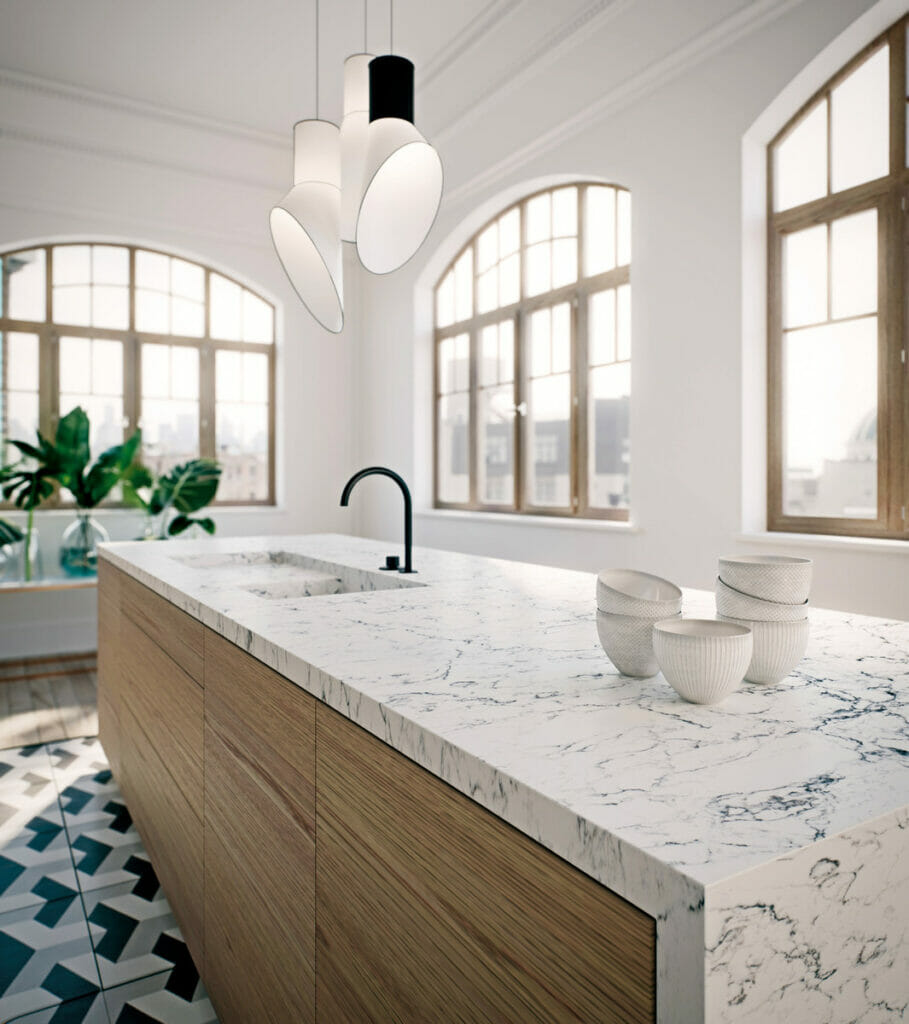
Natural stone has long been admired for its beauty, but advances in manufacturing have introduced engineered surfaces that combine impressive durability with exceptional design consistency. Among these materials, engineered quartz in Kenya has become one of the most popular choices for kitchen worktops, bathroom vanities, commercial counters, wall cladding, furniture, and hospitality interiors. Its combination of strength, low maintenance, and wide design flexibility has made it a preferred surface for homeowners, architects, interior designers, and property developers across East Africa.
Although many quartz slabs appear similar at first glance, significant differences exist beneath the surface. Two slabs with almost identical colours may perform very differently over time because of variations in raw materials, manufacturing techniques, resin quality, pigmentation, pressing pressure, curing processes, and quality control standards. These hidden differences explain why some engineered quartz surfaces maintain their appearance for decades while others experience discolouration, surface defects, or reduced durability.
Recommended Stone Solutions



Understanding how engineered quartz in Kenya is manufactured helps buyers make informed decisions rather than relying solely on appearance or price. Premium quartz production involves sophisticated technology that carefully combines natural quartz crystals with specialised resins and pigments before compressing the mixture under extreme pressure and curing it into dense, non-porous slabs. The precision of each manufacturing stage directly influences the finished product’s strength, colour consistency, stain resistance, and long-term performance.
Engineered quartz also provides remarkable design versatility. Modern manufacturing techniques allow producers to create surfaces that resemble natural marble, granite, limestone, concrete, terrazzo, and other premium materials while maintaining the practical advantages of engineered stone. This balance between aesthetics and performance explains why quartz continues to gain popularity in both residential and commercial developments.
Selecting the right quartz slab requires more than choosing an attractive colour. Buyers should understand quartz content, resin ratios, slab thickness, manufacturing quality, surface finishes, fabrication requirements, and how engineered quartz compares with natural stone alternatives such as marble, granite, and quartzite. These considerations ultimately determine whether a surface will continue performing beautifully throughout years of everyday use.
At Maruti Mining Limited, we help homeowners, architects, contractors, designers, and developers select premium engineered quartz solutions suited to both residential and commercial projects. By understanding the manufacturing process and the characteristics that distinguish premium products from lower-quality alternatives, clients can confidently invest in surfaces that deliver exceptional long-term value.
You can explore the complete collection of engineered quartz, granite, marble, and other premium architectural surfaces available through Maruti Mining Limited at marutimining and compare materials suitable for projects throughout Kenya and East Africa.
What Is Engineered Quartz?
Unlike natural stone extracted directly from quarries, engineered quartz in Kenya is a manufactured surface produced by combining natural quartz crystals with carefully selected resins, pigments, and performance-enhancing additives.
The result is a highly durable surface that offers:
- Excellent consistency
- Low porosity
- Wide colour selection
- Attractive finishes
- Reliable long-term performance
Engineered quartz combines the beauty of natural minerals with the precision of modern manufacturing.
For additional information about architectural stone surfaces, you can visit our Knowledge Base for expert insights at knowledge-base.
The Main Ingredient: Natural Quartz
Although engineered quartz is manufactured, natural quartz remains its primary raw material.
Quartz is one of the hardest naturally occurring minerals and contributes significantly to the finished slab’s:
- Strength
- Scratch resistance
- Structural stability
- Durability
Premium engineered quartz typically contains a very high proportion of natural quartz particles.
Why Resin Is Necessary
Natural quartz crystals alone cannot form a slab.
Specialised resins bind the quartz particles together while providing:
- Structural cohesion
- Flexibility
- Impact resistance
- Manufacturing consistency
The quality of the resin significantly influences the finished product’s long-term performance.
The Importance of Pigments
Pigments determine the appearance of engineered quartz in Kenya.
Modern manufacturing allows quartz to imitate:
- White marble
- Black granite
- Concrete
- Terrazzo
- Limestone
- Contemporary solid colours
High-quality pigments produce consistent colour throughout the slab while resisting fading over time.
Mixing the Raw Materials
Manufacturing begins by carefully measuring and blending:
- Quartz crystals
- Resin
- Pigments
- Performance additives
Accurate mixing ensures every section of the slab receives the same composition before pressing.
Poor mixing may result in:
- Colour inconsistency
- Weak areas
- Visible defects
Vacuum Pressing
Once mixed, the material enters specialised moulds.
Powerful vacuum presses remove trapped air before applying tremendous pressure.
This stage improves:
- Density
- Structural strength
- Surface consistency
- Dimensional stability
High-pressure compaction is one of the defining characteristics of premium engineered quartz manufacturing.
Curing the Slab
After pressing, slabs enter controlled curing ovens.
Carefully regulated temperatures allow the resins to harden completely while bonding the quartz particles into a solid surface.
Proper curing contributes to:
- Long-term durability
- Colour stability
- Impact resistance
- Dimensional accuracy
Insufficient curing can reduce overall product quality.
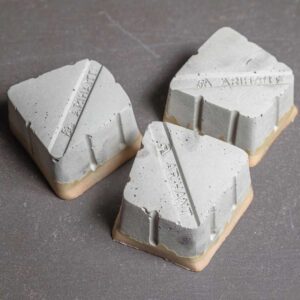
Surface Finishing
Following curing, the slabs undergo precision finishing.
Common finishes include:
- Polished
- Honed
- Matte
- Textured
Each finish creates a different architectural appearance while maintaining the engineered quartz’s overall durability.
Slab Inspection
Premium manufacturers perform extensive quality inspections before releasing slabs for fabrication.
Quality control typically evaluates:
- Colour consistency
- Thickness accuracy
- Surface defects
- Structural integrity
- Dimensional precision
Comprehensive inspection ensures that only high-quality slabs reach the market.
Why Slab Quality Varies
Although many products are marketed as engineered quartz in Kenya, manufacturing quality differs considerably between producers.
Important factors influencing slab quality include:
- Quartz content
- Resin quality
- Pigment quality
- Manufacturing equipment
- Pressing pressure
- Curing technology
- Quality control standards
Understanding these differences helps buyers distinguish premium products from lower-grade alternatives.
For inspiration, you can also explore our gallery of completed projects at our-works.
Quartz Content and Why It Matters
One of the biggest indicators of quality in engineered quartz in Kenya is the percentage of natural quartz contained within the slab. Although manufacturing methods differ between producers, premium quartz surfaces generally contain a very high proportion of natural quartz combined with carefully formulated binding resins and pigments.
Higher quartz content contributes to:
- Greater hardness
- Improved structural stability
- Better scratch resistance
- Enhanced durability
- Long-term performance
The balance between quartz and binding materials plays a significant role in how the finished slab performs over many years of use.
Resin Quality Makes a Significant Difference
Not all resins are manufactured to the same standard.
The resin performs several important functions:
- Binding quartz particles
- Providing flexibility
- Improving impact resistance
- Supporting colour consistency
- Helping create a non-porous surface
Premium resins are engineered to remain stable over time, while lower-quality formulations may be more susceptible to ageing under demanding conditions.
Pigment Technology
Modern manufacturing allows engineered quartz in Kenya to reproduce the appearance of numerous natural materials.
Advanced pigment systems create surfaces resembling:
- Marble
- Granite
- Concrete
- Limestone
- Terrazzo
High-quality pigments help maintain colour consistency throughout the slab while producing realistic veining and depth.
Poor-quality pigments may result in uneven colour distribution or less convincing natural patterns.
Manufacturing Precision
Premium engineered quartz depends upon highly controlled production.
Modern manufacturing facilities carefully regulate:
- Material proportions
- Mixing consistency
- Pressing pressure
- Vacuum conditions
- Oven temperatures
- Cooling cycles
Each stage contributes to the final quality of the slab.
Small variations during production may influence the finished surface.
Slab Thickness Options
Different applications require different slab thicknesses.
Common options include:
- 12 mm
- 20 mm
- 30 mm
The appropriate thickness depends on:
- Kitchen worktops
- Bathroom vanities
- Wall cladding
- Furniture
- Commercial counters
Professional fabricators recommend the most suitable thickness based on the intended application.
Large Format Slabs
Modern production technology enables manufacturers to produce increasingly large quartz slabs.
Large-format surfaces offer several advantages:
- Fewer visible joints
- Greater design flexibility
- Larger kitchen islands
- Seamless feature walls
- Elegant commercial counters
The availability of larger slabs has expanded the architectural possibilities of engineered quartz.
Edge Profiles
Following fabrication, engineered quartz in Kenya can be finished with a variety of edge profiles.
Popular options include:
- Straight edge
- Pencil edge
- Bevelled edge
- Bullnose edge
- Mitred edge
The selected profile influences both the appearance and functionality of the finished installation.
Popular Applications
Engineered quartz has become one of the most versatile architectural surfaces available today.
Common applications include:
- Kitchen worktops
- Bathroom vanity tops
- Splashbacks
- Reception counters
- Restaurant counters
- Office worktops
- Laundry rooms
- Wall features
- Furniture
Its combination of durability and design flexibility makes it suitable for both residential and commercial interiors.
Engineered Quartz Compared with Marble
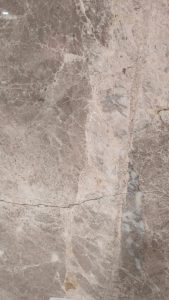
Marble remains one of the world’s most prestigious natural stones.
However, engineered quartz in Kenya offers several practical advantages for high-use environments.
Quartz provides:
- Consistent colours
- Low porosity
- Reduced maintenance
- Excellent stain resistance
Marble offers:
- Natural individuality
- Distinctive veining
- Geological uniqueness
- Timeless luxury
Clients interested in natural stone can also learn more about marble options at marble-manufacturer-kenya.
Engineered Quartz Compared with Granite
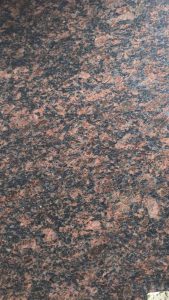
Granite is celebrated for its exceptional hardness and natural mineral patterns.
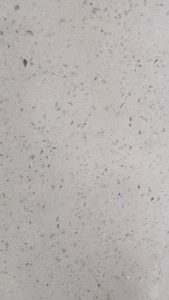
Quartz differs by providing:
- Uniform appearance
- Controlled colours
- Consistent veining
- Minimal variation between slabs
Granite offers:
- Completely natural formation
- Unique mineral crystals
- Individual slab character
Both materials deliver excellent performance when professionally fabricated and installed.
You can also explore our extensive collection of granite at top-granite-manufacturer-kenya-maruti-mining.
Common Misconceptions
Several myths continue to surround engineered quartz in Kenya.
“All Quartz Slabs Are Identical”
Although many products look similar, manufacturing quality varies significantly.
Differences in:
- Quartz content
- Resin quality
- Pigments
- Pressing technology
- Quality control
all influence long-term performance.
“Quartz Is Completely Indestructible”
Engineered quartz is highly durable, but like every architectural surface, it benefits from sensible everyday care and professional installation.
“Only White Quartz Is Available”
Modern manufacturing produces quartz in a wide variety of:
- Whites
- Greys
- Blacks
- Beiges
- Marble-look patterns
- Concrete-inspired finishes
- Contemporary colours
This extensive selection allows designers to match almost any interior style.
Choosing Premium Engineered Quartz
Selecting high-quality engineered quartz in Kenya involves more than comparing colours.
Buyers should also evaluate:
- Manufacturing quality
- Surface consistency
- Slab dimensions
- Finish quality
- Fabrication standards
- Supplier expertise
Working with an experienced supplier helps ensure that the chosen material meets both aesthetic and technical requirements.
Clients can also discover the full range of quartz surfaces at quartz-stone.



Leave a Reply