


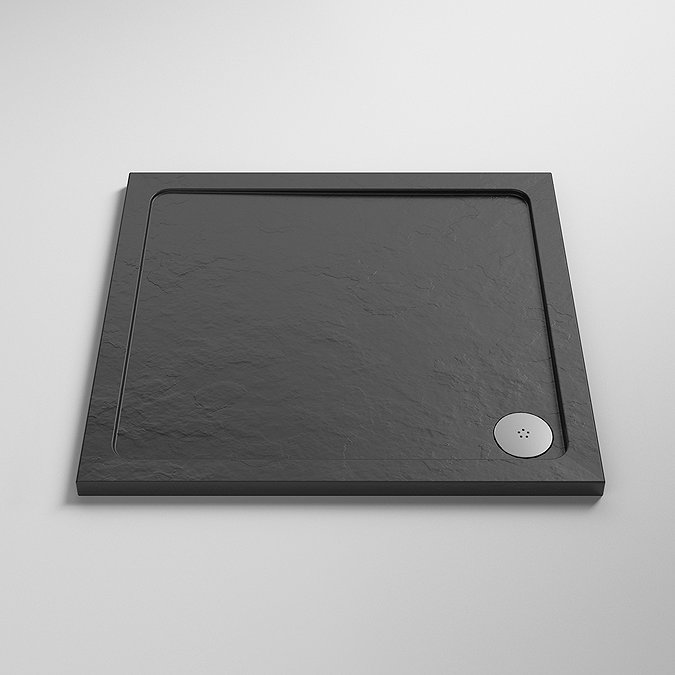
A shower tray is one of the most important surfaces in a bathroom because it must manage water continuously while providing a safe, attractive, and durable foundation for the shower area. A stone shower tray in Kenya can create an exceptionally luxurious bathroom finish, particularly when natural stone is coordinated with wall cladding, vanity tops, flooring, and other architectural details.
However, a beautiful stone shower tray will only perform properly if the installation beneath it has been designed correctly. Water must flow efficiently towards the drain rather than pooling on the surface, waterproofing must protect the underlying structure, and joints and penetrations must be sealed properly. These details are particularly important in wet rooms, where the shower floor may receive water every day.
Recommended Stone Solutions



Natural stone such as marble, granite, quartzite, and other suitable materials can provide a premium shower finish. But different stones have different porosity, maintenance requirements, slip characteristics, and chemical sensitivities. Selecting the material should therefore be based on both appearance and performance.
Kenya’s climate also makes moisture management important. Although the bathroom itself is an enclosed environment, high humidity, frequent cleaning, and poorly ventilated wet areas can contribute to persistent moisture. In coastal locations such as Mombasa, Diani, and Malindi, naturally higher humidity makes proper waterproofing and ventilation even more important.
This guide explains how to plan a stone shower tray in Kenya, including drainage falls, waterproofing, seams, stone selection, installation, and maintenance.
At Maruti Mining Limited, we supply premium natural and engineered stone solutions for luxury bathrooms, residential developments, hotels, and commercial projects across East Africa.
Explore premium stone collections from Maruti Mining Limited at marutimining.
What Is a Stone Shower Tray?
A stone shower tray is a shower-floor surface fabricated or finished with natural or engineered stone and designed to direct water towards a dedicated drain.
Depending on the project, it may be:
- A solid stone slab
- Multiple fabricated stone sections
- A stone finish installed over a prepared waterproofed base
- A custom-fabricated shower pan
The construction method should suit the bathroom’s drainage and waterproofing system.
Why Falls Matter
Correct falls are essential because water must naturally move towards the drain without creating standing pools.
A shower tray that is too flat can leave water sitting on the surface.
A correctly designed fall helps:
- Improve drainage
- Reduce standing water
- Limit soap residue
- Reduce moisture exposure
- Improve bathroom hygiene
The precise gradient should be determined by the drainage design and installation system.
Waterproofing Comes First
The stone itself should never be treated as the bathroom’s only waterproof barrier.
A properly constructed wet room normally relies on a dedicated waterproofing or tanking system beneath the finished surface.
This protects:
- Floor structures
- Adjacent walls
- Ceiling spaces below
- Timber or other vulnerable materials
Seams and Joints
Large shower trays may require joints depending on their dimensions and access limitations.
Every joint should be:
- Properly aligned
- Appropriately sealed
- Compatible with the stone
- Designed to accommodate expected movement
Poorly sealed joints can become pathways for moisture.
Choosing Stone for a Shower Tray
Not every stone is equally suitable for wet areas.
Important characteristics include:
- Water absorption
- Slip resistance
- Surface texture
- Chemical resistance
- Maintenance requirements
The intended stone should be selected according to the bathroom’s usage and maintenance regime.
Marble Shower Trays
Marble creates a luxurious bathroom appearance.
Advantages include:
- Natural veining
- Elegant colours
- Premium appearance
- Custom fabrication possibilities
However, marble requires appropriate sealing and stone-safe cleaning products.
Granite Shower Trays
Granite offers excellent durability.
It provides:
- High strength
- Good scratch resistance
- Wide colour selection
- Long service life
A suitable textured finish can also improve grip in wet conditions.
Quartzite Shower Trays
Quartzite can provide an attractive combination of natural veining and durability.
Depending on the specific stone, it may offer:
- High hardness
- Excellent wear resistance
- Attractive natural patterns
- Strong architectural appeal
The exact characteristics should be confirmed for the selected material.
Common Mistakes to Avoid
Installing Stone Without Proper Waterproofing
Stone is not a substitute for a waterproof membrane or correctly designed tanking system.
Creating an Insufficient Fall
A nearly flat shower floor can leave water standing around the drain or corners.
Using the Wrong Cleaner
Acidic cleaners can damage certain natural stones, particularly marble and other calcium-based materials.
Ignoring Drain Placement
Drain location should be established before stone fabrication.
For more expert natural stone guidance, visit the Maruti Mining Knowledge Base at knowledge-base.
Designing a Stone Shower Tray in Kenya for Reliable Drainage
A successful stone shower tray in Kenya depends on coordinated drainage, waterproofing, stone fabrication, and installation. The stone should be treated as the finished surface within a complete wet-room system, rather than as the waterproofing layer itself.
Planning these elements before fabrication helps reduce leaks, uneven surfaces, difficult-to-clean joints, and costly alterations.
Plan the Drain Before Cutting the Stone
Drain location should be established before the shower tray is fabricated.
The design should account for:
- Drain position
- Drain dimensions
- Waste-pipe route
- Shower enclosure
- Door position
- Stone panel dimensions
- Required falls
A centrally positioned drain may allow the tray to slope evenly from multiple directions, while a linear drain can create a simpler single-direction fall.
The drainage system should be designed so water reaches the outlet without relying on surface pooling.
Create Consistent Falls
The shower surface needs a controlled slope towards the drain.
The fall should be:
- Consistent
- Smooth
- Free from abrupt changes
- Compatible with the drain design
Poorly formed falls can create low spots where water remains after the shower is turned off.
For large-format stone, careful substrate preparation is especially important because the finished slab cannot compensate for an incorrectly constructed base.
Waterproof the Substrate
Waterproofing should extend across the shower floor and appropriately up the surrounding walls.
Depending on the wet-room system, waterproofing may involve:
- A tanking membrane
- Waterproof sheet systems
- Liquid-applied membranes
- Preformed waterproof shower systems
The selected system should be installed according to the manufacturer’s requirements.
Particular attention should be paid to:
- Corners
- Wall-to-floor junctions
- Drain connections
- Pipe penetrations
- Changes in substrate
These areas are common locations for water ingress if detailing is inadequate.
Connect the Drain Correctly
The drain is one of the most critical components of the shower tray.
The connection between the waterproofing system and drain should be properly integrated.
The finished stone should then be cut accurately around the drain.
A poorly fitted drain can create:
- Water leakage
- Movement
- Difficult cleaning
- Unsightly gaps
- Premature sealant failure
Professional coordination between the plumber, waterproofing installer, stone fabricator, and tiler or bathroom contractor is therefore essential.
Choose the Right Stone Thickness
The appropriate thickness depends on the construction method.
Consider:
- Overall tray dimensions
- Support beneath the stone
- Drain design
- Weight
- Access to the bathroom
- Required edge details
A large solid slab may require different structural preparation from smaller fabricated sections.
The stone supplier and installer should agree on the fabrication details before production begins.
Consider Slip Resistance
A shower floor is constantly exposed to water, soap, and bare feet.
The surface should therefore provide adequate grip for its intended application.
Consider:
- Surface texture
- Finish
- Stone type
- Cleaning regime
- Expected water exposure
A highly polished finish may not be appropriate for every shower floor.
The exact slip-performance requirements should be confirmed for the selected product and application.
Seal Natural Stone Where Appropriate
Many natural stones benefit from a suitable penetrating sealer.
Sealing can help:
- Reduce absorption
- Improve stain resistance
- Make cleaning easier
- Protect the appearance of the stone
However, sealing does not replace waterproofing.
A sealer protects the stone’s surface; the waterproofing system protects the building structure underneath.
Pay Attention to Seams
If the shower tray requires multiple pieces, joint positioning should be carefully planned.
Good practice includes:
- Minimising unnecessary joints
- Keeping joints away from vulnerable locations where practical
- Using compatible joint materials
- Ensuring adequate substrate support
- Allowing appropriate movement
The finished joints should be neat, fully sealed, and easy to maintain.
Coordinate Wall and Floor Stone
A stone shower tray can be combined with matching or complementary wall surfaces.
Popular approaches include:
- Matching marble walls and floor
- Contrasting floor and wall stone
- Large-format marble panels
- Granite shower floors with porcelain walls
- Natural stone paired with glass
Coordinating the materials before fabrication allows veining and joint positions to be planned as one complete design.
Maintenance After Installation
A well-installed stone shower tray still requires routine care.
Recommended practices include:
- Remove standing water where practical
- Rinse away soap residue
- Use pH-neutral stone cleaners
- Avoid abrasive cleaning products
- Inspect sealant joints periodically
- Reseal natural stone according to the manufacturer’s recommendations
Good ventilation also helps the shower area dry more quickly.
Questions to Ask Before Ordering a Stone Shower Tray
Before fabrication begins, ask:
- Where will the drain be positioned?
- What fall has been designed into the shower floor?
- What waterproofing system will be used underneath?
- How will the drain connect to the waterproofing?
- Will the tray be one piece or several sections?
- Which stone finish is appropriate for wet conditions?
- Does the selected stone require sealing?
- Where will the seams be positioned?
- How will the stone be supported underneath?
Answering these questions early helps prevent expensive problems during installation.
Why Professional Fabrication Matters
A shower tray has little tolerance for dimensional errors.
Precision fabrication helps ensure:
- Accurate drain openings
- Consistent edges
- Correct dimensions
- Clean joints
- Proper alignment
- Easier installation
The final stone should be fabricated from confirmed site measurements rather than assumptions made during the design stage.
Clients can also explore premium marble collections at marble-manufacturer-kenya, browse granite surfaces at top-granite-manufacturer-kenya-maruti-mining, discover engineered quartz collections at quartz-stone, or view completed stone projects at our-works.


Leave a Reply