Quartz vs Granite in Nairobi Homes
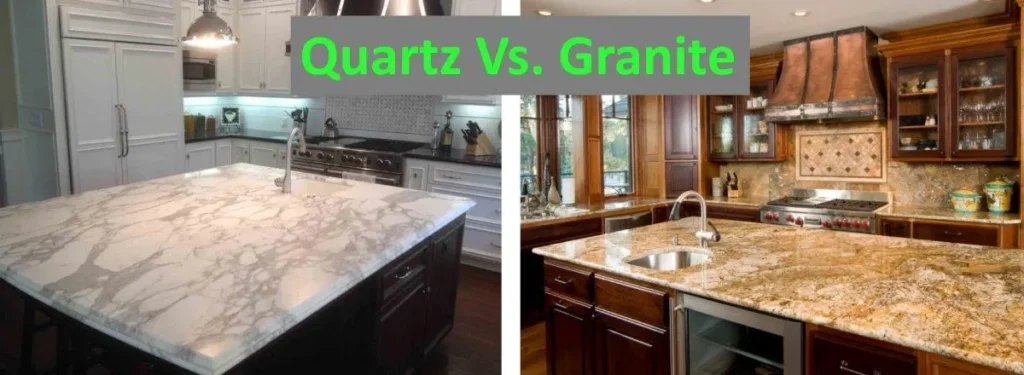
Quartz vs granite in Nairobi homes.
Introduction
When choosing countertops in Nairobi, many homeowners, designers, and developers ask: Quartz vs. Granite – which is more affordable? The answer isn’t simple because price depends on many factors—but understanding those factors helps you make a cost-effective, beautiful choice. In this guide, we compare the costs, benefits, and trade-offs of granite and quartz in Nairobi, so you can decide which fits your budget and your lifestyle.
Basic Definitions & Material Differences
Before cost breakdowns, it’s helpful to know what quartz and granite are—since material properties affect price:
-
Granite is a natural stone, quarried from the earth, cut into slabs, polished, transported, and installed. Its beauty comes from natural variation in pattern, color, and texture.
-
Quartz (often called engineered stone) is made by combining ground quartz (natural mineral) with resins, pigments, and sometimes recyclable materials, then manufactured into slabs. Offers more uniformity in appearance. Maruti Mining+2Stonehenge+2
Differences that impact cost include porosity (granite needs sealing; quartz does not), heat resistance, availability, import vs local production, and consistency in slab appearance. Maruti Mining+2Xinyun Quartz+2
What does the Nairobi / Kenyan Market Say About Prices?
Here are data points for both materials in Nairobi / Kenya:
| Material | Typical Price (material only) / Slab Prices | Installed Price Range* | Notable Examples |
|---|---|---|---|
| Granite (local / imported) | Slabs sized ~2,400×600 mm, 18 mm thick: KSh 10,000–17,000 for many granite countertop slabs. Meru Timber | Installed cost for granite tends to be around KSh 2,500–6,000 per square foot when accounting for fabrication, transport, installation. Maruti Mining+1 | Meru Timber offers granite slabs in that slab-price range. Meru Timber |
| Quartz (engineered stone) | Quartz slab examples: light grey polished slab ~240×63×1.80 cm is priced around KSh 39,500 inc. VAT. TACC Smaller quartz countertop slabs from TACC range ~KSh 40,000–50,000 for large sizes. TACC | Installed costs typically run KSh 3,500–7,000 per square foot depending on quality, brand, and complexity. Maruti Mining+1 | CenturyStone’s “White Quartz” product (smaller piece) at ~KSh 17,500. Century Stone |
* “Installed Price” means full cost: material + delivery + fabrication + installation + finishing.
Direct Cost Comparison: Granite vs Quartz for Nairobi Homes
Based on market data, here’s a side-by-side comparison of costs for a typical countertop project in Nairobi:
| Scenario | Example Size | Granite Option Cost Estimate | Quartz Option Cost Estimate |
|---|---|---|---|
| Mid-grade, simple features | 20 ft² kitchen countertop | Granite: material + install ~ KSh 2,500–4,000/ft² → ~ KSh 50,000–80,000 total | Quartz: ~ KSh 3,500–5,500/ft² → ~ KSh 70,000–110,000 total |
| Higher end features (edge profiles, sink cutouts, exotic colors) | 30 ft² | Granite: perhaps KSh 5,000–6,000/ft² → ~ KSh 150,000–180,000 + extras | Quartz: KSh 6,000–7,000/ft²+ → ~ KSh 180,000–210,000+ |
So in almost all comparable cases, granite is more affordable than quartz in Nairobi when doing material + installation.
What Drives Up the Cost of Quartz
Quartz tends to cost more in Nairobi for several reasons:
-
Import costs & Brand Premiums: Many quartz slabs are imported; shipping, import duties or taxes, handling increase base cost.
-
Manufacturing complexity: Quartz slabs are engineered, involving controlled processes, consistent colors, resin binding etc.
-
Uniformity & designer styles: Many homeowners prefer rare colors, veining, or designer-look quartz, which costs more.
-
Transport & weight: Large quartz slabs are heavy, delicate, and need careful handling. Transport and waste add cost.
-
Fabrication & finishing: Sinks, undermount fittings, precise edges, polished finishes all more costly when using quartz due to its resin content requiring specialized tooling.
Where Granite Saves Money
Granite is often more affordable because:
-
Local sourcing is more common; local granites reduce import, duty, and long transport costs.
-
Natural slabs vary in pattern, allowing use of less perfect slabs (with character) at lower cost.
-
Granite tolerates heat better—so fewer extra protective treatments needed in kitchens where hot pots are common.
-
Less reliance on brand-name marketing; many local vendors sell granite without very high markups.
Also, material costs per slab are often significantly lower for granite than equivalent quartz slabs of similar dimensions.
H2: Maintenance & Long-Term Cost Considerations
Affordability isn’t just up-front cost; long-term maintenance and durability matter.
| Feature | Granite | Quartz |
|---|---|---|
| Sealing required | Yes, periodic (annually or every couple years) to prevent staining and water seepage. | No, quartz is non-porous; no sealing needed. Maruti Mining |
| Resistance to stains/scratches | Good, but porous: spills must be cleaned, sealed; lighter granites more prone to staining. | Very good—non-porous, resins help resist stains. Scratches less visible due to uniformity. |
| Heat resistance | High; natural stone handles hot pans well. | Moderate; extreme direct heat can damage resin or discolor. Use trivets. Maruti Mining |
| Lifespan | Very long if properly sealed and maintained. Natural stone ages well. | Also long; may show wear in high-impact or extreme heat areas; resin component must remain intact. |
| Repairability | Chips or cracks can sometimes be repaired; natural variation helps hide small flaws. | Repair is possible but matching color/pattern may be harder. More dependent on resin integrity. |
From a total cost perspective, granite may have slightly higher maintenance costs (sealing, occasional care), but those are usually modest compared to the larger up-front cost difference in quartz.
Design & Aesthetic Trade-Offs (Which Can Impact Cost)
Sometimes homeowners pay more for design or aesthetic reasons, affecting effective affordability:
-
Pattern complexity: exotic or rare granite with dramatic veining, bold colors will cost more.
-
Color consistency: quartz wins here (you get uniform slabs), but that uniformity often comes at higher price.
-
Edge profile: ornate edges, waterfall drops, waterfall sides, integrated sinks, etc. increase fabrication and installation costs. These features cost similarly for both quartz and granite, but since quartz base cost is higher, these extras push its total even further.
-
Seams: fewer large slabs, fewer seams = less labor and epoxy, but large quartz/slabs may be harder to get available locally.
Example Cost Scenarios for Nairobi Homes
Here are two illustrative sample projects to show real-world affordability comparisons.
Scenario 1: Modest Family Kitchen granite cost Nairobi Suburb
-
Size: ~20 ft² counter top
-
Shape: Straight, simple edge, drop-in sink
-
Granite Option: Use local granite at ~KSh 3,000/ft² installed → ~KSh 60,000-70,000
-
Quartz Option: Good quality quartz at ~KSh 4,500/ft² → ~KSh 90,000-100,000
→ Difference: Quartz costs ~30-70% more in this scenario.
Scenario 2: High-End Kitchen or Showroom
-
Size: ~30 ft², includes waterfall edge or extended overhang, modern sink, premium slab colour
-
Granite Option: Premium granite (imported) ~KSh 5,500-6,000/ft² → ~KSh 165,000-180,000+ including installation & finishes
-
Quartz Option: Top brand quartz ~KSh 7,000-8,000/ft² → ~KSh 210,000-240,000+
Again, quartz ends up significantly more expensive up-front.
When Quartz May Be the Better Investment Despite Higher Cost
Even though quartz tends to cost more up front, there are situations where it can be more cost-effective or offer better value:
-
If you want low maintenance and really dislike the idea of sealing stone or being careful with spills.
-
If you prefer uniform looks and consistency in color/pattern for aesthetics or design theme.
-
In high-traffic commercial or hospitality spaces where stain resistance and cleanability matter.
-
If local granite options are limited, very premium, or involve high import/transport costs that push granite’s cost up toward quartz.
-
In situations where long-term durability in certain dimensions (non-heat exposure, non-very heavy impact), the uniformity of quartz may reduce repair costs.Stone countertops Kenya would be a better option.
Affordability Verdict: What Makes Sense for Nairobi Homes
Putting the pieces together, here’s what makes sense:
-
For households with average budgetary constraints, local or less exotic granite will almost always be the more affordable choice when considering total cost (material + installation + ongoing maintenance).
-
If appearance, ease of care, and uniformity are priorities and budget allows, quartz is a viable option—just expect to pay a premium.
-
The cost gap between quartz and granite can be large or modest, depending on how large the countertop is, how complex the design is, and whether you go for imported or local stone.
Tips to Keep Costs Down While Choosing Quartz or Granite
Here are ways to make either option more affordable:
-
Use local granite where possible; reduces transport and import costs.
-
Opt for standard slab sizes to reduce waste.
-
Avoid overly complex edge profiles and “waterfall” edges unless those are central to your design.
-
For quartz, choose mid-rate brands/colors rather than top premium ones.
-
Shop around: compare quotes from several providers.
-
Ask for a complete quote broken down (material, transport, fabrication, installation) so you can see where savings might be made.
-
Plan well: ensure cabinets are level, walls square, sink positions clear before slabs arrive to avoid extra on-site adjustments.
Summary — Quick Comparison
| Aspect | Granite | Quartz |
|---|---|---|
| Up-front Material + Installation Cost | Generally lower | Higher |
| Maintenance Costs | Moderate (sealing, occasional care) | Low (non-porous, easy cleaning) |
| Durability vs Heat | Excellent heat resistance | Less tolerant of extreme heat |
| Uniformity / Appearance Options | Natural variation, unique slabs | Very consistent, wide range of design options |
| Long-term Value | Strong, especially if using local material and good finish | May justify higher cost if maintenance burdens, design preferences favor quartz |
Call to Action (CTA)
So don’t keep on asking between quartz vs granite which is more affordable in NairobiBring Your Vision to Life in Stone
Imagine a space defined by elegance, durability, and timeless beauty. At Maruti Mining Limited, we transform your vision into reality with the finest selection of granite, marble, and quartz, backed by expert fabrication and installation.
Contact our team for a consultation and let’s create a legacy set in stone.
CUSTOM FABRICATION & INSTALLATION ACROSS EAST AFRICA
✔ Premium Collection of Over 80 Stone Varieties
✔ Expert Cutting, Polishing & Installation
✔ Free Project Consultation & Quote
✔ Serving Kenya (Nairobi, Mombasa, Eldoret), Tanzania, Uganda & beyond.
Request Your Free Consultation:
Maruti Mining Limited
Email: [email protected]
Phone: +254 736 701 174 | +254 728 789 164 | +254 733 519 836
Visit Us: Nairobi, Kenya
Website: https://marutimining.com/

Related posts
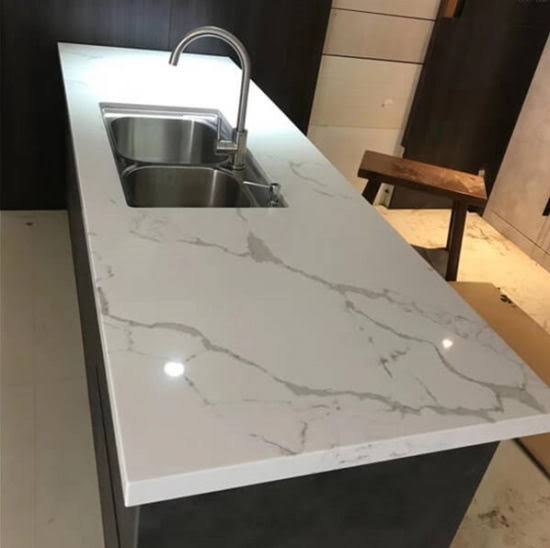
Maruti Mining is the premier Quartz Stone Supplier in Kenya, offering a wide range of high-quality quartz products that cater to various applications. With a commitment to excellence and a dedication to delivering top-notch quartz stone solutions, Maruti Mining has established itself as a trusted name in the industry.