



Coffee table tops are an opportunity to introduce natural stone into an interior without overwhelming the room. The right stone, size, thickness, edge profile and support structure can turn a simple coffee table or side table into a distinctive architectural feature.
Unlike a kitchen worktop or dining table, a coffee table is usually viewed from close range.
Recommended Stone Solutions


Its surface is part of the room’s visual composition.
Guests see it while seated.
They may place drinks, books, phones, decorative objects and serving trays on it.
For this reason, the material needs to combine appearance with practical performance.
Granite, marble, quartz and other stone surfaces can all work exceptionally well for coffee tables, but the correct choice depends on the size of the furniture, the design of the base, the intended use and the character of the surrounding interior.
A dramatic marble slab may become the centrepiece of a luxury living room.
A dark granite top can create a strong contemporary contrast against a lighter sofa.
A carefully selected quartz surface can provide a controlled, modern appearance.
The important point is that the stone should be selected as part of the complete furniture design.
For inspiration, explore Maruti Mining’s collection of granite, marble and quartz before deciding which stone is best suited to your coffee table project.
What Makes Good Coffee Table Tops?
Good coffee table tops balance proportion, durability, weight, appearance and practicality while complementing the furniture base and surrounding interior.
A coffee table is relatively small compared with a dining table, which means the stone itself can become the dominant visual feature.
This makes slab selection particularly important.
Before fabrication, consider:
- Stone type
- Slab colour
- Veining
- Table dimensions
- Thickness
- Edge profile
- Surface finish
- Base design
- Weight
- Room proportions
- Expected use
- Maintenance requirements
These decisions should be coordinated rather than made separately.
1. Granite Coffee Table Tops
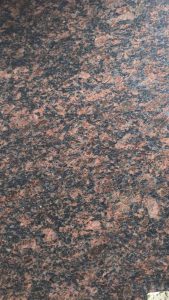
Granite provides a durable natural-stone surface with distinctive mineral patterns, making it an excellent choice for coffee tables that need both visual impact and everyday practicality.
Granite comes in a broad range of colours and patterns.
Some varieties are relatively uniform.
Others contain dramatic movement and contrasting mineral structures.
Because coffee tables are usually smaller than kitchen counters, even a small section of a striking granite slab can create considerable visual impact.
Granite can be used for:
- Living-room coffee tables
- Side tables
- Reception tables
- Hotel furniture
- Office lounge tables
- Outdoor tables where the selected stone is suitable
You can explore our extensive collection of granite to compare different natural-stone appearances.
Why Granite Works Well for Coffee Tables
Granite combines strong everyday performance with natural variation, making it suitable for homes where the coffee table will receive regular use.
It can tolerate ordinary contact with:
- Cups
- Plates
- Books
- Decorative objects
- Serving trays
However, heat protection is still recommended.
Use coasters and trivets where appropriate.
2. Marble Coffee Table Tops
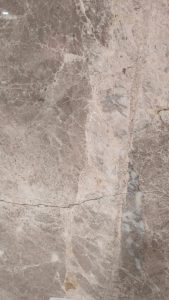
Marble is one of the most visually striking options for coffee tables because its natural veining can transform a relatively small surface into a sophisticated design feature.
A coffee table may be one of the best places to use a dramatic marble slab.
Because the surface area is smaller than a kitchen island or large dining table, a premium slab can sometimes be used selectively to create maximum visual effect.
Marble can complement:
- Contemporary furniture
- Classic interiors
- Luxury apartments
- Hotel lounges
- Executive reception areas
- High-end residential spaces
You can learn more about marble options when considering marble for furniture.
The Maintenance Reality of Marble
Marble is beautiful but should be selected with an understanding of its sensitivity to scratching and acid etching.
Coffee tables frequently encounter drinks.
Some drinks may contain acidic ingredients.
Wine, citrus-based drinks and other acidic substances can affect susceptible marble surfaces if spills are left untreated.
The solution is not to avoid marble.
The solution is to maintain it correctly.
Use appropriate stone-safe cleaning products and wipe spills promptly.
3. Quartz Coffee Table Tops
Engineered quartz provides a contemporary alternative for coffee tables where consistent colour, controlled patterns and straightforward routine maintenance are important.
Quartz is manufactured rather than quarried as a finished slab of natural rock.
This allows manufacturers to create predictable patterns and colours.
It can be particularly useful when the coffee table needs to coordinate closely with:
- Kitchen counters
- Bathroom surfaces
- Wall finishes
- Other furniture
- Commercial interiors
Discover the full range of quartz surfaces when considering engineered quartz.
Quartz and Heat
Engineered quartz should be protected from excessive heat because its manufactured composition includes resin-based components.
Avoid placing extremely hot cookware directly onto the surface.
Use:
- Coasters
- Trivets
- Heat-resistant pads
This is a simple precaution that can protect the table from avoidable damage.
4. Quartzite Coffee Table Tops
Quartzite can provide the visual character of natural stone while offering strong performance characteristics, making it an attractive option for premium coffee tables.
Quartzite should not be confused with engineered quartz.
Quartzite is a natural metamorphic rock.
Its appearance can range from relatively subtle to highly dramatic.
Some varieties can resemble marble while providing different performance characteristics.
Because natural quartzite varies between stones, the actual slab should be assessed before fabrication.
5. Stone Side Tables
Side tables provide an excellent opportunity to use smaller pieces of premium stone because their compact dimensions can highlight a distinctive slab without requiring a large quantity of material.
Side tables can be placed beside:
- Sofas
- Armchairs
- Beds
- Reception seating
- Lounge chairs
A small stone surface can provide a visual connection between different areas of an interior.
For example, a marble side table can echo the veining of a marble fireplace.
A granite side table can complement a granite feature wall.
A quartz side table can coordinate with a modern kitchen.
Why Small Tables Can Use Dramatic Stone
The smaller surface area of a side table allows designers to use visually complex stone without making the entire room feel dominated by the material.
This is particularly useful with strongly veined marble or quartzite.
A small slab can become a deliberate accent.
Instead of covering an entire room in stone, the designer can use stone strategically.
Choosing the Right Coffee Table Size
Coffee table dimensions should be determined by the seating arrangement, room size and required circulation space rather than by the stone slab alone.
A coffee table should generally feel proportional to the sofa and surrounding furniture.
Consider:
- Sofa length
- Seating arrangement
- Walking paths
- Rug dimensions
- Room size
- Table height
- Number of users
A table that is too large can obstruct movement.
A table that is too small may look disconnected from the seating arrangement.
Coffee Table Length and Width
The ideal dimensions depend on the furniture layout, but the table should provide enough usable surface without interfering with circulation around the seating area.
Rectangular tables are often effective with long sofas.
Round tables can work well in conversational seating arrangements.
Square tables can complement sectional sofas.
Irregular stone shapes can create a custom architectural effect.
The shape should be chosen before final slab cutting.
Round Stone Coffee Tables
Round stone coffee tables can soften a room dominated by straight lines while eliminating sharp corners around seating areas.
They work particularly well with:
- Sectional sofas
- Curved furniture
- Circular rugs
- Open-plan living rooms
A round stone top also creates an opportunity for a central pedestal base.
However, the base must be properly engineered for the weight of the stone.
Rectangular Stone Coffee Tables
Rectangular stone coffee tables provide generous surface area and work particularly well with long sofas and larger living rooms.
The rectangular form can showcase natural stone veining effectively.
For strongly patterned marble or quartzite, the direction of the vein should be considered during slab selection.
Oval Stone Coffee Tables
Oval coffee tables combine the visual length of a rectangular table with softer curved ends, creating a practical and refined furniture profile.
They can work well in contemporary interiors.
The curved edges can also make movement around the table easier.
Professional fabrication is important because the curved profile must be accurately cut and polished.
Irregular and Organic Stone Tables
Irregular stone coffee tables can create a highly individual look, especially when the natural shape and movement of the slab become part of the design.
This approach works particularly well for:
- Luxury interiors
- Boutique hotels
- Designer residences
- Contemporary lounges
- Feature furniture
The stone itself becomes part of the furniture’s identity.
Coffee Table Thickness
Thickness is one of the most important technical decisions because it affects the table’s visual weight, structural performance, fabrication requirements and overall cost.
A thick stone edge creates a substantial appearance.
A thinner surface can appear lighter and more contemporary.
However, the correct thickness depends on the stone, table dimensions and support arrangement.
Do not select thickness purely by appearance.
Thin Stone Coffee Table Tops
Thin stone can produce a minimalist appearance but requires careful consideration of the stone’s characteristics, support and edge treatment.
A thin top can work particularly well in modern interiors.
However, larger unsupported spans require careful planning.
The fabricator should determine whether reinforcement or additional support is appropriate.
Thick Stone Coffee Table Tops
A thicker stone top creates visual mass and can make a coffee table feel substantial and luxurious.
This can be particularly effective with:
- Dark granite
- Dramatic marble
- Quartzite
- Architectural interiors
However, greater thickness also increases weight.
The base must therefore be designed accordingly.
Edge Profiles for Coffee Table Tops
The edge profile affects the table’s appearance, safety and tactile quality, particularly because coffee tables are positioned close to people sitting around them.
Common options include:
- Straight edge
- Eased edge
- Bevelled edge
- Bullnose
- Custom profiles
For family homes, softened edges can be particularly practical.
For minimalist interiors, a simple eased edge may be preferable.
For luxury furniture, a custom profile can create additional character.
Why Coffee Table Edges Matter
People interact with coffee tables at close range, so poorly finished edges can be more noticeable than they would be on a distant architectural surface.
The edge should be:
- Smooth
- Consistent
- Properly polished
- Free from sharp defects
- Appropriate to the stone
Corners deserve particular attention.
Polished Coffee Table Tops
A polished finish highlights the colour and pattern of natural stone while creating a reflective surface that can add sophistication to a living room.
Polished granite can appear particularly rich.
Polished marble can emphasise veining.
Polished quartz can create a crisp contemporary appearance.
However, polished surfaces can show fingerprints and smudges more readily, especially darker colours.
Honed Coffee Table Tops
Honed stone offers a softer, less reflective appearance that can create a more relaxed and contemporary aesthetic.
It can work particularly well in:
- Minimalist interiors
- Modern apartments
- Neutral living rooms
- Contemporary offices
The maintenance characteristics should be considered for the specific stone.
Textured Stone Coffee Table Tops
Textured finishes can introduce tactile character and help create a more natural or architectural appearance.
However, the deeper the texture, the more carefully cleaning requirements should be considered.
A coffee table should remain practical to wipe down.
Matching the Stone With the Furniture Base
The stone top and furniture base should be designed as a single visual composition rather than selected independently.
Possible combinations include:
- Marble with brushed metal
- Granite with timber
- Quartz with powder-coated steel
- Quartzite with natural wood
- Dark stone with light timber
- Light stone with dark metal
Contrast can create visual depth.
Matching materials can create continuity.
Stone and Wood Coffee Tables
Combining stone and wood is an effective way to balance the permanence of stone with the warmth of natural timber.
For example, a marble top can be paired with:
- Oak-style timber
- Dark hardwood
- Natural timber legs
Granite can also work beautifully with wood.
The result can feel both architectural and welcoming.
Stone and Metal Coffee Tables
Metal bases create a contemporary contrast with natural stone and can visually reduce the perceived weight of a substantial stone top.
Popular combinations include:
- Black metal and white marble
- Brass-style metal and dark stone
- Stainless steel and quartz
- Bronze-style finishes and natural stone
The base should still be structurally suitable for the stone’s weight.
Stone and Glass Combinations
Glass can visually lighten stone furniture when used strategically in the base or supporting structure.
This can be particularly effective in smaller rooms.
The combination can make a heavy stone top appear to float visually.
Coffee Table Tops and Room Proportion
The strongest coffee table designs respect the scale of the room rather than trying to maximise the size of the stone surface.
A large living room can accommodate a substantial table.
A compact apartment may benefit from:
- Smaller round tables
- Nesting side tables
- Lightweight visual forms
- Smaller stone surfaces
Stone should enhance the room rather than obstruct it.
Stone Coffee Tables for Small Living Rooms
In smaller spaces, a carefully proportioned stone coffee table can provide luxury without making the room feel crowded.
Round or oval shapes can help circulation.
A smaller table can also use a more dramatic stone slab.
Instead of increasing the dimensions, increase the visual quality of the material.
Stone Coffee Tables for Large Living Rooms
Large living rooms can support substantial stone coffee tables, but the table should remain proportional to the sofa, rug and surrounding furniture.
A large slab can showcase natural movement.
For such projects, slab selection becomes particularly important.
A full-size slab should be reviewed before fabrication.
Coffee Table Tops and Natural Stone Variation
Natural stone varies from slab to slab, so clients should expect differences in colour, veining and mineral movement rather than the uniformity associated with manufactured surfaces.
This variation is not a defect.
It is one of the defining characteristics of natural stone.
However, if consistency is critical, engineered quartz may be a better choice.
Selecting a Marble Slab for a Coffee Table
The smaller dimensions of a coffee table can make marble selection particularly strategic because a small section of a premium slab can showcase a dramatic vein beautifully.
Look at:
- Vein direction
- Background colour
- Mineral inclusions
- Pattern density
- Surface finish
The fabricator can then determine how the slab should be cut.
Selecting Granite for a Coffee Table
Granite offers enormous variety, so the selection should be based on the overall interior rather than simply choosing the darkest or most patterned slab.
Consider whether the room needs:
- Contrast
- Continuity
- Warmth
- Texture
- Subtlety
- A visual focal point
A heavily patterned granite may work best in an otherwise restrained interior.
Coffee Table Tops and Maintenance
A coffee table should be easy to maintain because it is frequently exposed to drinks, dust, fingerprints and decorative objects.
Routine care should include:
- Wiping spills promptly
- Using appropriate stone-safe cleaners
- Avoiding abrasive powders
- Using coasters
- Using trivets where necessary
- Avoiding harsh chemicals
The exact routine depends on the stone.
Protecting Stone Coffee Tables
Simple protective habits can significantly reduce avoidable damage to premium stone furniture.
Use coasters beneath:
- Hot drinks
- Cold drinks
- Bottles
- Glassware
Use protective pads beneath decorative objects that could scratch the surface.
Do not drag heavy objects across the stone.
Coffee Table Tops and Heat
Stone can generally tolerate ordinary household temperatures well, but extreme heat and sudden temperature changes should be avoided.
This is particularly relevant when using:
- Serving dishes
- Hot pots
- Heated trays
- Candles
Always check the manufacturer’s recommendations for engineered materials.
Coffee Table Tops and Scratches
Scratch resistance varies by material, but abrasive objects and dragging heavy decorative items across the surface should always be avoided.
Natural stone is durable but not indestructible.
Good furniture design includes protection against unnecessary wear.
Coffee Table Weight and Structural Support
The base of a stone coffee table must be engineered for the total weight of the stone rather than designed as though the top were made from lightweight timber or laminate.
This is especially important with:
- Thick slabs
- Large tables
- Cantilevered designs
- Single-pedestal bases
The support structure should be stable and evenly distribute the load.
Installing a Stone Coffee Table Top
Professional installation helps ensure that the top is properly positioned, supported and secured without creating unnecessary stress on the stone.
Installation may involve:
- Levelling
- Positioning
- Support adjustment
- Securing the top
- Checking edges
- Inspecting the final surface
A finished inspection should confirm that the table is stable and visually aligned.
Transporting Stone Furniture Safely
Stone table tops require careful handling during transport because corners and edges can be vulnerable to impact.
Large pieces should be:
- Properly supported
- Secured
- Protected at edges
- Handled with appropriate equipment
The transport plan should be established before fabrication.
Cost of Coffee Table Tops
The cost of a stone coffee table depends on the material, slab value, dimensions, thickness, fabrication complexity, edge profile, base and installation rather than material area alone.
Cost factors include:
- Stone type
- Stone rarity
- Slab thickness
- Surface finish
- Shape
- Edge profile
- Pattern matching
- Waste
- Base design
- Transport
- Installation
A simple rectangular granite top can be very different in cost from a custom bookmatched marble design.
Why Small Stone Tables Can Still Be Expensive
A small table does not necessarily mean a simple fabrication project because premium stone selection, curved cutting, specialised edges and custom finishing can increase the fabrication cost.
For example, a small designer coffee table may require:
- A rare slab
- A curved profile
- Custom edge polishing
- Reinforcement
- Special support
- Careful pattern positioning
The final price therefore reflects the complete process.
Coffee Table Tops for Luxury Interiors
Luxury interiors often benefit from using stone selectively, allowing a dramatic coffee table to act as a focal point without covering every surface in the same material.
A premium marble or quartzite table can complement:
- Luxury sofas
- Feature walls
- Statement lighting
- Fine timber
- Metallic details
The table becomes part of the interior architecture.
Coffee Table Tops for Hotels and Offices
Commercial lounge areas can use stone coffee tables to create a durable, premium appearance, but the selected material should reflect the intensity of use and maintenance regime.
For commercial applications, consider:
- Frequency of use
- Cleaning schedule
- Impact
- Heat
- Repairability
- Replacement requirements
The design should be attractive without creating unnecessary maintenance challenges.
Coffee Table Tops for Outdoor Areas
Outdoor stone coffee tables require material and finish selection appropriate to sunlight, rain and environmental exposure.
Not every stone is equally suitable for every outdoor application.
Consider:
- Water absorption
- UV exposure
- Temperature variation
- Surface finish
- Drainage
- Maintenance
The exact stone should be evaluated before use.
How to Specify Coffee Table Tops
A clear specification reduces fabrication errors by identifying the material, dimensions, thickness, finish, edge profile and support requirements before production begins.
A useful specification should include:
- Stone type
- Exact dimensions
- Thickness
- Finish
- Edge profile
- Corner treatment
- Slab approval
- Base design
- Support requirements
- Installation details
- Maintenance requirements
This is particularly important for custom furniture.
Seven Mistakes to Avoid
The most expensive coffee table mistakes usually occur when aesthetics are considered without sufficient attention to stone characteristics and furniture engineering.
1. Choosing the slab only from a small sample
Natural stone can vary significantly.
2. Making the top too heavy for the base
Stone weight must be considered from the beginning.
3. Ignoring edge safety
Sharp corners may be inappropriate for some households.
4. Choosing a finish without considering cleaning
Highly textured surfaces can require additional care.
5. Forgetting heat protection
Hot objects should be handled carefully.
6. Dragging objects across the surface
Even durable stone can be scratched or damaged.
7. Treating fabrication as an afterthought
Accurate cutting and polishing are essential to a premium result.
How to Choose Coffee Table Tops Without Regret
The best approach is to select the stone, dimensions and furniture structure together so that the finished coffee table tops is visually balanced and structurally sound.
Begin with the room.
Determine the required table dimensions.
Select the stone based on usage.
Review the actual slab if natural variation matters.
Choose the thickness.
Select the finish.
Determine the edge profile.
Design the support structure.
Then coordinate fabrication and installation.
This process reduces unnecessary compromises.
Final Guide to Coffee Table Tops
Coffee table tops can transform ordinary furniture into a distinctive interior feature when the stone, size, thickness and support structure are carefully coordinated.
Granite is an excellent choice where durability and natural variation are priorities.
Marble provides exceptional visual character and can turn a coffee table into a statement piece, although it requires greater care.
Engineered quartz provides controlled patterns and straightforward routine maintenance while supporting contemporary designs.
Quartzite offers another natural-stone option for clients seeking strong performance characteristics and dramatic geological patterns.
For side tables, smaller pieces of premium stone can be used strategically to create accents throughout an interior.
The dimensions should always be determined by the room and furniture arrangement.
The thickness should be selected according to the stone and support system.
The edge profile should balance appearance, comfort and safety.
The finish should reflect the desired aesthetic and maintenance expectations.
And the actual slab should be inspected whenever natural variation is important to the design.
Most importantly, a stone coffee table should be treated as a complete piece of furniture rather than simply a slab placed on a base.
The stone, base, proportions, edge details and surrounding interior all contribute to the final result.
When properly designed and fabricated, even a relatively small coffee table can become one of the most memorable features in a room.
For architects, interior designers, developers and homeowners considering premium stone coffee table tops or side tables, contact Maruti Mining’s team for a project consultation and discuss the stone, dimensions, finish and fabrication requirements for your project.
You May Also Like


Bring Your Vision to Life in Stone
Imagine a space defined by elegance, durability, and timeless beauty. At Maruti Mining Limited, we transform your vision into reality with the finest selection of granite, marble, and quartz, backed by expert fabrication and installation.
Contact our team for a consultation and let’s create a legacy set in stone.
CUSTOM FABRICATION & INSTALLATION ACROSS EAST AFRICA
✔ Premium Collection of Over 80 Stone Varieties
✔ Expert Cutting, Polishing & Installation
✔ Free Project Consultation & Quote
✔ Serving Kenya (Nairobi, Karen, Mombasa), Uganda, Tanzania & beyond.
Request Your Free Consultation:
Maruti Mining Limited
Email: [email protected]
Phone: +254 736 701 174 | +254 728 789 164 | +254 733 519 836
Visit Us: Nairobi, Kenya
Website: https://marutimining.com/


Leave a Reply