


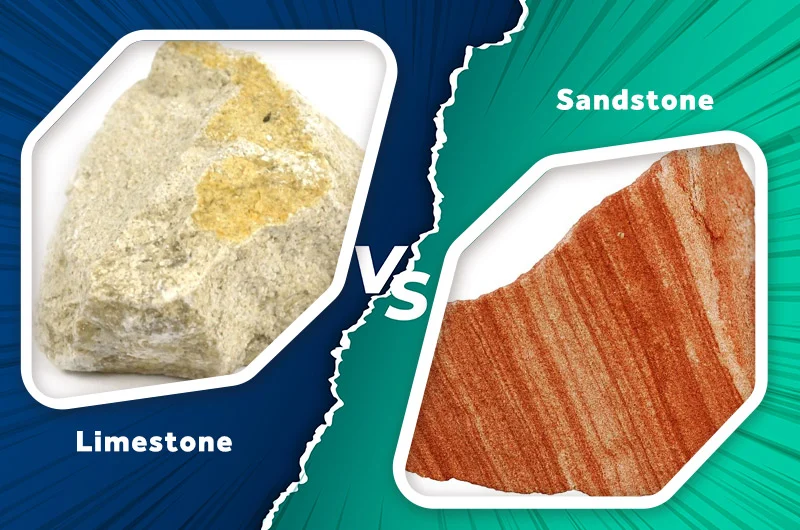
Natural stone has shaped architecture for thousands of years, from ancient monuments to contemporary luxury homes. Among the most versatile options are limestone and sandstone, two sedimentary stones valued for their warm colours, natural textures, and timeless appeal. Although both materials create elegant interiors and exteriors, understanding limestone and sandstone in Kenya is essential because these stones perform very differently from harder materials such as granite, quartzite, or engineered quartz.
Unlike granite, which is prized for exceptional hardness, limestone and sandstone are comparatively softer and more porous. This does not make them inferior materials—it simply means they are better suited to specific applications. When selected for the right environment and properly maintained, they provide beautiful architectural finishes that age gracefully over time. However, when installed in areas exposed to heavy abrasion, acidic substances, or constant moisture without adequate protection, they may wear more quickly than harder alternatives.
Recommended Stone Solutions


The popularity of limestone and sandstone in Kenya continues to grow among homeowners, architects, interior designers, landscape architects, and commercial developers seeking natural materials with understated elegance. Limestone is appreciated for its smooth appearance, subtle fossil markings, and refined colour palette, while sandstone is recognised for its rich textures, earthy tones, and excellent performance in outdoor landscaping and wall cladding.
Choosing between limestone and sandstone requires more than comparing colours. Factors such as porosity, hardness, maintenance, weather exposure, intended application, and installation methods all influence long-term performance. Understanding where these stones excel—and where they should be avoided—helps prevent costly mistakes while ensuring the finished project remains attractive for decades.
Rather than viewing limestone and sandstone as alternatives to granite or marble, experienced designers specify them where their unique characteristics provide genuine architectural advantages. Warm natural tones, textured finishes, and an organic appearance allow these materials to complement both traditional and contemporary designs.
At Maruti Mining Limited, we assist homeowners, contractors, architects, developers, and landscape designers in selecting the most appropriate natural stone for each project. By evaluating performance requirements alongside design objectives, we help clients choose materials that combine lasting beauty with practical durability.
You can explore the complete collection of premium limestone, sandstone, granite, marble, quartz, and other architectural stone surfaces available through Maruti Mining Limited at marutimining and compare options suitable for residential, commercial, and landscaping projects across Kenya and East Africa.
What Is Limestone?
Limestone is a sedimentary rock formed primarily from calcium carbonate deposited over millions of years.
Its natural appearance often includes:
- Soft cream tones
- Beige shades
- Grey variations
- Fossil markings
- Fine grain
Its understated beauty makes limestone popular in both classic and modern architecture.
For additional information about natural stone, you can visit our Knowledge Base for expert insights at knowledge-base.
What Is Sandstone?
Sandstone forms when layers of sand become naturally compressed and cemented over geological time.
Typical characteristics include:
- Warm earthy colours
- Visible grain texture
- Natural layering
- Rustic appearance
Its textured finish makes sandstone particularly suitable for landscaping and exterior applications.
Why They Are Considered Soft Stones
When discussing limestone and sandstone in Kenya, the term “soft” refers to their relative hardness compared with materials such as granite and quartzite.
These stones can be more susceptible to:
- Surface scratching
- Abrasion
- Edge wear
- Chemical etching
Understanding these characteristics helps determine appropriate applications.
Natural Beauty
Despite being softer than some alternatives, limestone and sandstone offer exceptional visual appeal.
Architects value them for:
- Warm colours
- Organic texture
- Timeless appearance
- Natural character
Every slab and block displays unique geological features that cannot be replicated by manufactured materials.
Best Indoor Applications
Limestone performs particularly well in carefully selected interior environments.
Common applications include:
- Feature walls
- Flooring
- Fireplace surrounds
- Stair cladding
- Bathroom walls
With appropriate sealing and maintenance, these installations provide long-lasting elegance.
Best Outdoor Applications
Sandstone has long been used for external landscaping because of its textured surface and natural weather resistance.
Popular applications include:
- Garden pathways
- Patios
- Courtyards
- Pool surrounds
- Retaining walls
- Exterior wall cladding
Its natural grip makes it especially suitable for pedestrian areas.
Wall Cladding
Both limestone and sandstone create striking wall finishes.
Their natural texture adds depth and architectural interest to:
- Residential facades
- Hotel entrances
- Garden walls
- Reception features
- Commercial buildings
Wall cladding remains one of their strongest applications.
Flooring Applications
Limestone and sandstone can both be used for flooring, particularly in spaces with moderate foot traffic.
Suitable locations include:
- Living rooms
- Hallways
- Hotels
- Galleries
- Boutique retail spaces
Appropriate sealing helps improve long-term performance.
Where They Are Less Suitable
Although attractive, limestone and sandstone in Kenya may not always be the ideal choice for demanding environments.
They are generally less suitable for:
- Heavy-duty kitchen worktops
- Industrial work surfaces
- High-abrasion commercial kitchens
- Areas exposed to strong acids
In these situations, harder materials often provide better long-term durability.
Comparing Limestone and Sandstone
Although both belong to the sedimentary stone family, they differ in several important ways.
Limestone generally offers:
- Smoother texture
- Softer appearance
- More refined finishes
Sandstone commonly provides:
- Greater texture
- Better outdoor grip
- Rustic architectural character
The intended application usually determines which material is the better choice.
For inspiration, you can also explore our gallery of completed projects at our-works.
Durability in Kenyan Conditions
The long-term performance of limestone and sandstone in Kenya depends largely on where they are installed and how well they are maintained. Kenya’s diverse climate—from the humid coast to the cooler highlands and drier inland regions—can influence how natural stone weathers over time.
When correctly specified, both stones perform well in residential and commercial environments.
Factors affecting durability include:
- Sun exposure
- Rainfall
- Temperature changes
- Foot traffic
- Moisture levels
- Maintenance practices
Choosing the right finish for the environment is just as important as choosing the right stone.
Porosity and Water Absorption
Both limestone and sandstone are naturally porous, although the degree of porosity varies by quarry and stone variety.
Higher porosity means the stone can absorb:
- Water
- Oils
- Dirt
- Other liquids
Professional sealing helps reduce absorption and simplifies routine maintenance.
Importance of Sealing
Sealing is one of the most effective ways to protect limestone and sandstone in Kenya.
A quality penetrating sealer helps:
- Reduce staining
- Slow moisture absorption
- Simplify cleaning
- Preserve appearance
Depending on usage and exposure, resealing may be recommended periodically to maintain protection.
Scratch and Impact Resistance
Compared with granite and quartzite, limestone and sandstone are generally less resistant to scratching.
Sharp objects, heavy furniture, or abrasive materials may leave marks over time.
To minimise wear:
- Use protective pads beneath furniture.
- Avoid dragging heavy objects.
- Place entrance mats in high-traffic areas.
- Clean grit and sand promptly.
These simple measures help extend the life of the stone.
Resistance to Acids
Limestone contains calcium carbonate, making it sensitive to acidic substances.
Common household acids include:
- Lemon juice
- Vinegar
- Some cleaning products
- Wine
- Certain fruit juices
Prompt cleaning helps reduce the risk of surface etching.
Sandstone is generally less susceptible to acid etching than limestone but still benefits from careful maintenance.
Choosing the Right Finish
Surface finish influences both appearance and performance.
Popular finishes include:
- Honed
- Polished
- Brushed
- Tumbled
- Natural split
For outdoor paving, textured finishes often provide better slip resistance than highly polished surfaces.
Indoor vs Outdoor Performance
Understanding where limestone and sandstone in Kenya perform best helps maximise their lifespan.
Indoor Applications
Suitable uses include:
- Feature walls
- Living room flooring
- Fireplace surrounds
- Decorative staircases
- Hotel interiors
These environments typically expose the stone to less weathering.
Outdoor Applications
Sandstone performs particularly well in:
- Patios
- Garden walkways
- Courtyards
- Landscape features
- Exterior wall cladding
Its naturally textured surface provides improved grip in outdoor settings.
Common Design Styles
Limestone and sandstone complement a wide variety of architectural styles.
They are frequently specified for:
- Contemporary homes
- Mediterranean-inspired villas
- Rustic country residences
- Boutique hotels
- Luxury resorts
- Commercial landscapes
Their natural colours pair beautifully with timber, glass, steel, and concrete.
Common Misconceptions
Several misconceptions influence the way buyers view limestone and sandstone in Kenya.
“Soft Stone Means Poor Quality”
Softness refers to relative hardness, not quality.
Many of the world’s most famous buildings have been constructed using limestone and sandstone because of their beauty and workability.
“Outdoor Stone Requires No Maintenance”
Even durable exterior stone benefits from routine cleaning and periodic sealing to preserve its appearance.
“All Limestone and Sandstone Look the Same”
Every quarry produces material with unique colours, textures, fossil markings, and mineral characteristics.
No two installations are exactly alike.
Choosing the Right Supplier
Selecting a knowledgeable stone supplier helps ensure the right material is chosen for each application.
An experienced supplier can assist with:
- Material selection
- Finish recommendations
- Slab and tile comparison
- Maintenance guidance
- Professional fabrication
- Installation support
Clients interested in comparing other premium materials can also learn more about marble options at marble-manufacturer-kenya, explore our extensive collection of granite at top-granite-manufacturer-kenya-maruti-mining, or discover the full range of quartz surfaces at quartz-stone.
Professional Installation Maximises Performance
Even the highest-quality limestone or sandstone will only perform as expected when it is installed correctly. The long-term success of limestone and sandstone in Kenya depends on proper substrate preparation, accurate cutting, suitable adhesives, and careful finishing.
Professional installers evaluate:
- Surface condition
- Structural support
- Moisture levels
- Expansion requirements
- Joint spacing
- Drainage for exterior applications
Careful installation reduces the risk of movement, uneven wear, and moisture-related problems over time.
Fabrication and Finishing
Modern stone fabrication combines traditional craftsmanship with precision technology.
Professional fabrication typically includes:
- Material inspection
- Digital templating
- CNC precision cutting
- Edge profiling
- Surface finishing
- Quality control
Accurate fabrication ensures that limestone and sandstone fit perfectly while preserving their natural character.
Routine Maintenance
With regular care, limestone and sandstone in Kenya can remain attractive for decades.
Recommended maintenance includes:
Daily Cleaning
Clean surfaces using:
- Soft cloths
- Microfibre mops
- pH-neutral stone cleaners
Avoid harsh chemicals that may affect the stone’s finish.
Prompt Spill Removal
Although sealing provides protection, spills should still be cleaned promptly.
Common substances requiring immediate attention include:
- Coffee
- Wine
- Cooking oils
- Fruit juices
- Mud and soil
Early cleaning helps minimise the possibility of staining.
Periodic Sealing
Depending on the location and level of use, resealing may be recommended periodically.
Professional sealing helps maintain:
- Moisture resistance
- Colour stability
- Easier cleaning
- Long-term durability
Common Buying Mistakes
Understanding the limitations of limestone and sandstone in Kenya helps buyers avoid expensive mistakes.
Using Limestone for Heavy-Duty Kitchen Worktops
Because limestone is relatively soft and sensitive to acids, it may not be the best choice for busy kitchens where frequent food preparation takes place.
Harder materials such as granite or quartzite are often better suited to these environments.
Ignoring Slip Resistance Outdoors
Highly polished finishes may become slippery when wet.
For patios, pathways, and pool surrounds, textured finishes generally provide better traction.
Choosing Stone Based Only on Colour
Appearance is important, but stone selection should also consider:
- Intended application
- Maintenance requirements
- Foot traffic
- Environmental exposure
Balancing aesthetics with performance leads to better long-term results.
Delaying Maintenance
Routine cleaning and periodic sealing help preserve the appearance of limestone and sandstone.
Small maintenance tasks today can prevent larger restoration work in the future.
Why Limestone and Sandstone Remain Popular
Despite their softer nature, limestone and sandstone continue to be specified for prestigious architectural projects around the world.
Their popularity comes from their:
- Warm natural colours
- Timeless appearance
- Organic texture
- Versatile finishes
- Design flexibility
When installed in suitable environments, these stones create elegant spaces that age beautifully.
Why Choose Maruti Mining Limited
At Maruti Mining Limited, we help homeowners, architects, interior designers, contractors, and developers choose the right natural stone for every project. Whether you require limestone for sophisticated interior finishes or sandstone for durable landscape features, our team provides expert guidance from selection through installation.
Our services include:
- Premium natural stone sourcing
- Limestone and sandstone selection
- Professional material consultation
- Precision CNC fabrication
- Custom edge finishing
- Installation support
- Technical project advice
We work closely with clients to ensure every stone is matched to its intended application, delivering the ideal balance of beauty, durability, and long-term value.
Clients can also visit our Knowledge Base for expert insights at knowledge-base, explore our gallery of completed projects at our-works, learn more about marble options at marble-manufacturer-kenya, explore our extensive collection of granite at top-granite-manufacturer-kenya-maruti-mining, discover the full range of quartz surfaces at quartz-stone, or contact our team for project consultation at contact-us.
Conclusion
Choosing limestone and sandstone in Kenya is about selecting the right material for the right environment. While these sedimentary stones are softer and more porous than granite or quartzite, they offer a unique combination of natural warmth, elegant textures, and timeless architectural appeal that few other materials can match.
Limestone excels in refined interior applications such as feature walls, fireplaces, staircases, and low-traffic flooring, while sandstone is particularly well suited to patios, garden paths, courtyards, and exterior cladding thanks to its textured surface and rustic character. Understanding their strengths and limitations allows homeowners, architects, and developers to make informed decisions that balance aesthetics, durability, and maintenance.
With professional material selection, precision fabrication, correct installation, and routine care, limestone and sandstone can provide decades of lasting beauty. By partnering with experienced natural stone specialists, you can create distinctive residential and commercial spaces that celebrate the authenticity and character of genuine natural stone.
Bring Your Vision to Life in Stone
Whether you’re designing a luxurious interior, a welcoming outdoor landscape, or a landmark commercial project, Maruti Mining Limited offers premium natural stone solutions tailored to your vision. From limestone and sandstone to granite, marble, quartz, and quartzite, we combine quality materials with expert craftsmanship to deliver exceptional results.
CUSTOM FABRICATION & INSTALLATION ACROSS EAST AFRICA
✔ Premium Collection of 80+ Natural Stone Varieties
✔ Precision CNC Cutting & Professional Finishing
✔ Interior & Exterior Stone Specialists
✔ Free Project Consultation & Quotation
✔ Serving Kenya (Nairobi, Mombasa, Kisumu, Nakuru), Uganda, Tanzania, Rwanda and the wider East African region.
Request Your Free Consultation
Maruti Mining Limited
Email: [email protected]
Phone: +254 736 701 174 | +254 728 789 164 | +254 733 519 836
You May Also Like
Visit Us: Nairobi, Kenya
Website: https://marutimining.com/


Leave a Reply