


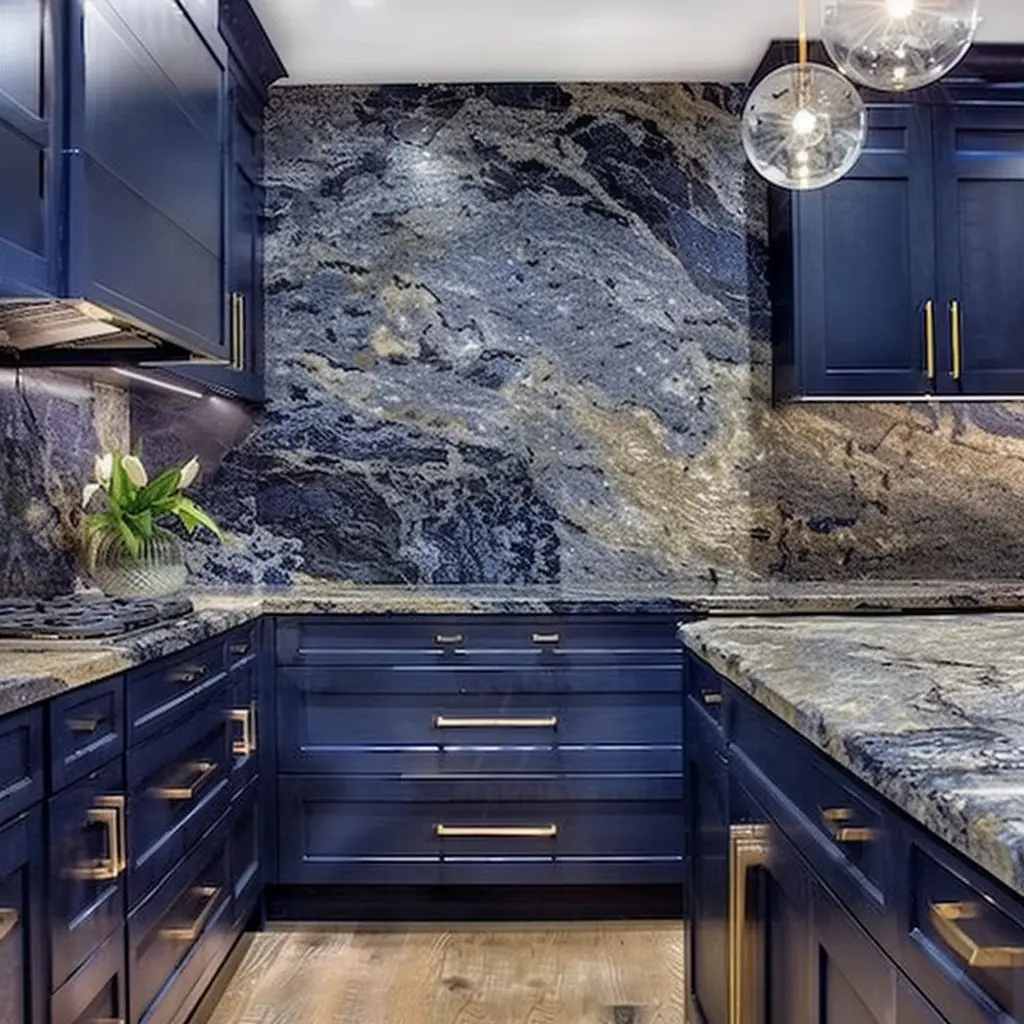
Granite is one of the world’s most durable natural stones, admired for its exceptional strength, distinctive mineral patterns, and ability to perform in demanding residential, commercial, and architectural environments. Whether specified for kitchen worktops, staircases, flooring, wall cladding, reception counters, monuments, or luxury furniture, every finished slab begins a remarkable geological and industrial journey long before it reaches a showroom. Understanding how granite slabs in Kenya are produced provides valuable insight into why premium granite continues to be one of the most trusted construction and design materials available today.
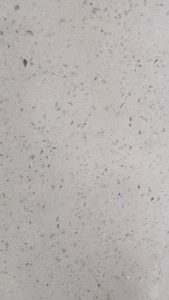
The journey begins deep within granite quarries, where enormous blocks of natural stone are carefully extracted from ancient rock formations created millions of years ago. Unlike manufactured surfaces, granite is entirely natural, formed through the slow cooling of molten magma beneath the Earth’s surface. This geological process creates the distinctive crystals, colours, and mineral patterns that make every granite slab unique.
Recommended Stone Solutions


Once extracted, raw quarry blocks undergo a series of specialised manufacturing stages before becoming polished architectural slabs. These include transportation, inspection, gang-saw cutting, resin treatment, drying, polishing, calibration, quality control, and final packaging. Each stage contributes to the structural integrity, appearance, and long-term performance of the finished stone.
The quality of granite slabs in Kenya depends not only on the natural characteristics of the stone but also on the precision of the manufacturing process. Advanced equipment, experienced technicians, and strict quality control procedures ensure that every slab meets the standards expected for premium architectural applications. Small differences in cutting accuracy, resin treatment, polishing quality, and slab calibration can significantly influence the finished product.
Architects, designers, contractors, and homeowners benefit from understanding this production process because it helps explain why granite varies in appearance, thickness, finish, durability, and overall value. Choosing granite is not simply about selecting a colour—it is about recognising the craftsmanship that transforms a massive quarry block into a refined architectural surface capable of lasting for generations.
At Maruti Mining Limited, we supply carefully selected granite slabs suitable for residential, commercial, hospitality, and institutional projects throughout Kenya and East Africa. By combining premium materials with expert fabrication and installation, we help clients achieve durable, elegant stone solutions tailored to their individual requirements.
You can explore the complete collection of premium granite and other natural stone surfaces available through Maruti Mining Limited at marutimining and compare granite alongside marble, quartz, and other architectural materials suitable for projects across East Africa.
Granite Begins Deep Underground
Every piece of granite slabs in Kenya begins as solid natural rock formed beneath the Earth’s surface over millions of years.
As molten magma slowly cools, mineral crystals develop to create the distinctive appearance associated with granite.
These minerals commonly include:
- Quartz
- Feldspar
- Mica
- Hornblende
Different mineral combinations produce the wide range of colours and crystal patterns available in granite today.
For additional information about premium natural stone, you can visit our Knowledge Base for expert insights at knowledge-base.
Locating Suitable Granite Deposits
Before quarrying begins, geological surveys identify granite formations suitable for commercial extraction.
Specialists evaluate:
- Rock quality
- Mineral composition
- Structural stability
- Colour consistency
- Quarry accessibility
Only suitable deposits proceed to commercial production.
Quarry Block Extraction
Large granite blocks are carefully separated from the surrounding rock using specialised quarrying techniques.
The objective is to produce massive blocks with minimal internal fractures while preserving the natural integrity of the stone.
Individual quarry blocks may weigh several tonnes before transportation.
Transporting Quarry Blocks
Following extraction, granite blocks are transported to processing facilities using heavy-duty equipment designed to safely handle their enormous weight.
Careful transportation helps minimise unnecessary damage before manufacturing begins.
Initial Block Inspection
Upon arrival at the processing plant, each block undergoes detailed inspection.
Technicians assess:
- Natural fractures
- Colour distribution
- Crystal consistency
- Mineral movement
- Overall quality
This inspection determines the most suitable cutting direction for the block.
What Is Gang Sawing?
One of the most important manufacturing stages for granite slabs in Kenya is gang sawing.
A gang saw uses multiple parallel blades to cut a large granite block into numerous slabs simultaneously.
Compared with cutting individual slabs one at a time, gang sawing improves:
- Production efficiency
- Thickness consistency
- Material utilisation
- Cutting precision
This technology has become one of the industry’s most widely used slab production methods.
Slab Thickness
During gang sawing, manufacturers produce slabs according to their intended applications.
Common thicknesses include:
- 20 mm
- 30 mm
Special applications may require alternative dimensions depending on structural requirements.
Resin Treatment
Following cutting, granite slabs often undergo resin treatment.
This process fills microscopic surface imperfections while improving the slab’s appearance and structural stability.
Resin treatment may contribute to:
- Enhanced polish
- Improved surface consistency
- Reduced visibility of natural fissures
The treatment is carefully controlled to preserve the stone’s natural beauty.
Drying and Curing
After resin application, slabs enter specialised curing systems where controlled temperatures allow the resin to harden completely.
Proper curing helps ensure:
- Stable surface performance
- Improved finishing quality
- Long-term durability
Calibration
Before polishing, the slabs are calibrated to ensure consistent thickness across the entire surface.
Accurate calibration supports:
- Easier fabrication
- Better installation
- Improved joint alignment
- Higher product quality
For inspiration, you can also explore our gallery of completed projects at our-works.
Polishing the Surface
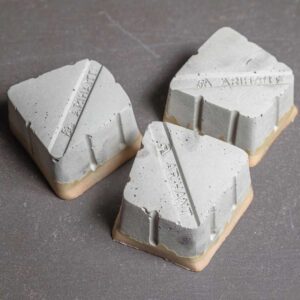
After calibration, granite slabs in Kenya move to one of the most recognisable stages of production—polishing. At this point, the natural beauty of the granite begins to emerge as successive polishing heads refine the surface until the crystals, mineral patterns, and colours become clearly visible.
Modern polishing lines use progressively finer abrasive heads to create a smooth, reflective finish without altering the stone’s natural character.
Professional polishing enhances:
- Colour depth
- Crystal clarity
- Surface smoothness
- Light reflection
- Overall visual appeal
The number of polishing stages influences the quality of the finished surface.
Alternative Surface Finishes
Although polished granite remains the most popular choice, manufacturers produce a variety of finishes to suit different architectural applications.
Common finishes include:
- Honed
- Leathered
- Flamed
- Brushed
- Bush-hammered
- Antique
Each finish offers a distinct appearance and level of texture.
For example, polished granite is often selected for kitchens and reception counters, while flamed or bush-hammered finishes are commonly specified for external paving because of their enhanced slip resistance.
Edge Inspection
Before fabrication, technicians inspect every slab to ensure that edges remain structurally sound.
This inspection identifies:
- Natural fissures
- Edge defects
- Chipping
- Surface imperfections
Any necessary corrections are completed before the slab proceeds to fabrication.
Quality Control
Premium granite slabs in Kenya undergo multiple quality inspections throughout production.
Quality control commonly evaluates:
- Slab thickness
- Surface finish
- Colour consistency
- Structural integrity
- Dimensional accuracy
- Resin quality
- Polish quality
Only slabs meeting strict manufacturing standards proceed to distribution.
Slab Grading
Manufacturers and suppliers often classify granite according to several characteristics.
These may include:
- Colour consistency
- Crystal pattern
- Veining
- Surface quality
- Block yield
- Material rarity
The grading process assists architects, designers, and clients when selecting materials for projects requiring multiple matching slabs.
Packaging and Transport
Following inspection, slabs are carefully packaged for transport.
Specialised storage systems help protect the stone during handling while reducing the risk of:
- Edge damage
- Surface scratching
- Transportation movement
- Accidental impact
Proper packaging ensures the granite reaches suppliers in excellent condition.
Arrival at the Stone Yard
When granite slabs in Kenya arrive at a supplier’s yard or showroom, they are carefully stored in upright display systems that allow customers to inspect the complete slab.
Viewing full slabs provides a far better understanding of:
- Colour variation
- Mineral movement
- Crystal size
- Natural patterns
- Overall character
This is one of the main advantages of selecting natural stone in person rather than relying solely on photographs.
Choosing the Right Granite Slab
Every project has different technical and design requirements.
When selecting granite, professionals typically evaluate:
- Intended application
- Colour
- Crystal pattern
- Slab dimensions
- Thickness
- Surface finish
- Fabrication requirements
Careful selection ensures that the chosen slab complements both the architecture and the functional needs of the project.
Granite Compared with Marble
Although both materials are premium natural stones, they possess different characteristics.
Granite offers:
- Exceptional hardness
- Outstanding scratch resistance
- Excellent durability
- Distinct mineral crystals
Marble provides:
- Softer appearance
- Elegant veining
- Classic architectural character
- Unique geological movement
The choice depends on the project’s design goals and performance requirements.
Clients comparing natural stone options can also learn more about marble options at marble-manufacturer-kenya.
Granite Compared with Quartz
Engineered quartz provides:
- Uniform appearance
- Consistent colours
- Low maintenance
- Wide design flexibility
Granite offers:
- Completely natural formation
- Unique crystal patterns
- Individual slab character
- Exceptional heat resistance
Both materials remain excellent choices when professionally fabricated and installed.
Those considering engineered alternatives can also discover the full range of quartz surfaces at quartz-stone.
Common Misconceptions
Several misconceptions exist regarding granite slabs in Kenya.
“All Granite Looks the Same”
No two granite slabs are identical.
Natural geological processes produce unique combinations of crystals, colours, and mineral movement.
“Granite Requires Constant Maintenance”
Granite benefits from sensible routine care, but it remains one of the most durable and practical natural stones available for architectural applications.
“Polished Granite Is the Only Option”
Modern production techniques offer numerous finishes suitable for different interior and exterior environments.
The finish should always be selected according to the intended application rather than appearance alone.
Why Professional Processing Matters
Every manufacturing stage influences the quality of the finished slab.
Careful quarrying, accurate gang sawing, controlled resin treatment, precision polishing, and thorough quality control all contribute to the durability and beauty that distinguish premium granite.
Working with experienced suppliers ensures that clients receive carefully selected slabs suitable for demanding architectural and interior design projects.
Clients can also explore our extensive collection of granite at top-granite-manufacturer-kenya-maruti-mining.
Professional Fabrication After the Slab Reaches the Yard
The journey of granite slabs in Kenya does not end when they arrive at the stone yard. Before granite becomes a kitchen worktop, staircase, vanity top, reception counter, or feature wall, each slab undergoes precise fabrication to match the client’s specifications.
Professional fabricators carefully inspect the selected slab before any cutting begins. The position of natural crystals, colour variation, and mineral movement is considered to ensure the finished installation achieves the best possible visual balance.
Professional fabrication generally includes:
- Slab selection
- Digital site templating
- CNC precision cutting
- Sink and hob cut-outs
- Edge profiling
- Surface polishing
- Quality inspection
- Professional installation
Accurate fabrication preserves the natural beauty of the granite while ensuring dimensional accuracy and structural performance.
Edge Profile Options
The edge profile influences both the appearance and practicality of finished granite slabs in Kenya.
Popular options include:
- Straight edge
- Pencil edge
- Bevelled edge
- Bullnose edge
- Mitred edge
- Ogee edge
Each profile creates a different architectural style while protecting exposed edges from everyday use.
Typical Applications
Because of its exceptional strength and durability, granite remains one of the most versatile natural stones available.
Common applications include:
- Kitchen worktops
- Bathroom vanity tops
- Staircases
- Wall cladding
- Reception desks
- Dining tables
- Bar counters
- Window sills
- Commercial flooring
- Hotel interiors
Its durability makes it suitable for both residential and commercial environments.
Caring for Granite Surfaces
Proper maintenance helps preserve the appearance of granite slabs in Kenya for decades.
Fortunately, routine care is straightforward.
Daily Cleaning
Use:
- Soft cloths
- Warm water
- pH-neutral stone cleaners
Regular cleaning removes dust and everyday residue without affecting the finish.
Prompt Spill Removal
Although granite is naturally durable, wiping spills promptly helps maintain the polished surface.
Common spills include:
- Coffee
- Tea
- Fruit juice
- Cooking oils
- Wine
Simple cleaning habits contribute to long-term appearance.
Periodic Sealing
Depending on the granite variety and application, professional sealing may be recommended.
Proper sealing helps support:
- Moisture resistance
- Surface protection
- Easier maintenance
The appropriate maintenance schedule depends on the specific stone selected.
Common Buying Mistakes
Selecting premium granite slabs in Kenya involves more than choosing an attractive colour.
Avoid these common mistakes:
Choosing from Small Samples
Granite is a natural material.
Viewing the complete slab provides a much clearer understanding of:
- Crystal distribution
- Mineral movement
- Colour variation
- Overall appearance
Ignoring Slab Thickness
Different applications require different slab thicknesses.
Professional guidance helps determine the most suitable option for structural performance and visual impact.
Overlooking Fabrication Quality
Even exceptional granite requires expert craftsmanship.
Accurate cutting, polished edges, well-positioned joints, and professional installation all influence the finished result.
Focusing Only on Price
The overall value of granite depends on:
- Material quality
- Quarry origin
- Fabrication
- Installation
- Long-term durability
Evaluating the complete project rather than only the initial purchase price often leads to better long-term outcomes.
Why Granite Continues to Add Property Value
Granite has remained one of the most desirable architectural materials for generations because it combines natural beauty with outstanding durability.
Professionally fabricated granite slabs in Kenya contribute to:
- Premium interior finishes
- Long service life
- Increased visual appeal
- Timeless architectural character
Whether installed in homes, offices, hotels, or commercial developments, granite continues to be associated with quality construction and lasting value.
Why Choose Maruti Mining Limited
Choosing the right granite supplier is just as important as selecting the right slab. At Maruti Mining Limited, we combine carefully selected natural stone with advanced fabrication technology and experienced craftsmanship to deliver exceptional results for projects across East Africa.
Our services include:
- Premium granite slab sourcing
- Professional material consultation
- Slab selection assistance
- Precision CNC fabrication
- Custom edge profiling
- Surface finishing
- Professional installation support
We work closely with homeowners, architects, developers, contractors, hospitality professionals, and interior designers to ensure every granite installation reflects the highest standards of quality and workmanship.
Whether your project involves luxury kitchen worktops, commercial counters, executive offices, staircases, hotel interiors, or bespoke stone furniture, our experienced team provides guidance from slab selection through to final installation.
Clients can also visit our Knowledge Base for expert insights at knowledge-base, explore our gallery of completed projects at our-works, explore our extensive collection of granite at top-granite-manufacturer-kenya-maruti-mining, learn more about marble options at marble-manufacturer-kenya, discover the full range of quartz surfaces at quartz-stone, or contact our team for project consultation at contact-us.
Conclusion
The journey of granite slabs in Kenya from solid quarry block to finished architectural surface is a remarkable combination of natural geology, advanced engineering, and skilled craftsmanship. Every stage—quarrying, block selection, gang sawing, resin treatment, curing, calibration, polishing, inspection, and fabrication—plays an essential role in producing the premium granite surfaces used in residential, commercial, and hospitality projects throughout East Africa.
Understanding this manufacturing process helps explain why granite varies in appearance, finish, and overall quality. Beyond the natural characteristics of the stone itself, the precision of processing and fabrication significantly influences the durability, beauty, and long-term performance of the finished installation.
Whether specified for kitchen worktops, staircases, wall cladding, reception counters, or bespoke furniture, premium granite remains one of the most reliable and visually impressive construction materials available. By selecting high-quality slabs and working with experienced stone specialists, homeowners, architects, and developers can invest confidently in natural stone that delivers exceptional performance and timeless elegance for generations.
Bring Your Vision to Life in Stone
Imagine a space defined by elegance, durability, and timeless beauty. At Maruti Mining Limited, we transform your vision into reality with the finest selection of granite, marble, and quartz, backed by expert fabrication and installation.
Contact our team for a consultation and let’s create a legacy set in stone.
CUSTOM FABRICATION & INSTALLATION ACROSS EAST AFRICA
✔ Premium Collection of Over 80 Stone Varieties
✔ Expert Cutting, Polishing & Installation
✔ Free Project Consultation & Quote
✔ Serving Kenya (Nairobi, Eldoret, Mombasa), Uganda, Tanzania, Rwanda & beyond.
Request Your Free Consultation
Maruti Mining Limited
Email: [email protected]
Phone: +254 736 701 174 | +254 728 789 164 | +254 733 519 836
You May Also Like
Visit Us: Nairobi, Kenya
Website: https://marutimining.com/

Leave a Reply