


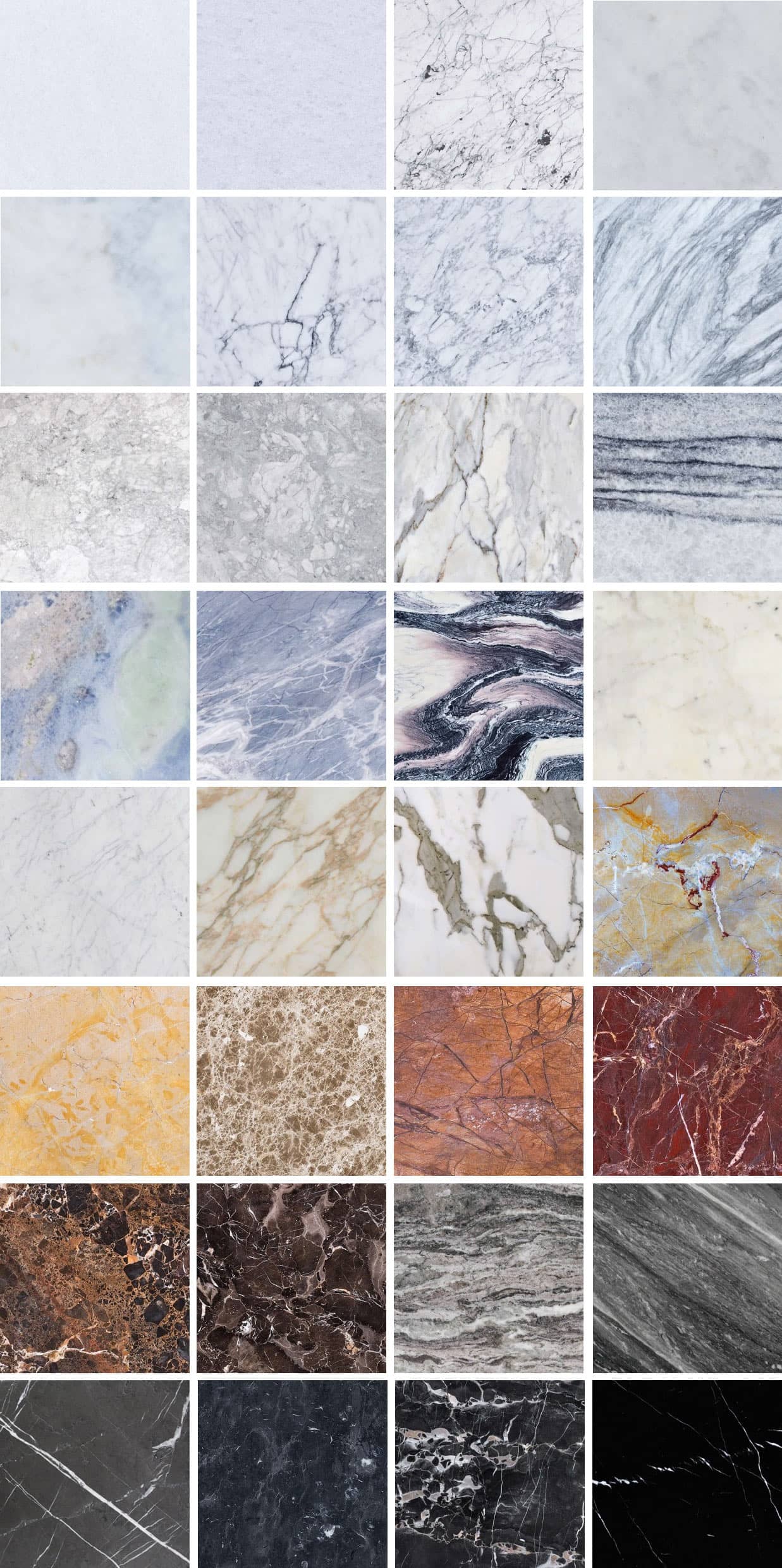
When most people think about marble, they immediately picture brilliant white surfaces with soft grey veining. While white marble remains one of the world’s most iconic natural stones, it represents only a small part of the extraordinary range available today. Modern architecture embraces an impressive palette of marble colours, from dramatic black stones and luxurious emerald greens to warm beige varieties and sophisticated greys. Each colour offers its own personality, geological characteristics, design possibilities, and practical applications, allowing architects and homeowners to create spaces that are both distinctive and timeless.
Natural marble owes its colours to the minerals present during its formation deep within the earth over millions of years. Tiny variations in mineral composition create remarkable differences in tone, veining, movement, and texture, ensuring that no two slabs are ever identical. This individuality is one of the reasons marble continues to be regarded as one of the world’s most prestigious architectural materials.
Recommended Stone Solutions
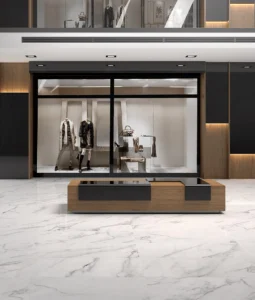


Selecting between different marble colours involves much more than personal preference. Colour influences how large a room appears, how natural light is reflected, the atmosphere created within a space, and how easily everyday dust or marks become visible. Some colours suit minimalist contemporary interiors, while others complement classical, luxury, or biophilic design concepts.
The choice of marble colour also depends on where the stone will be installed. Kitchen worktops, bathroom vanities, flooring, staircases, wall cladding, reception counters, fireplaces, dining tables, and feature walls all place different visual and functional demands on the material. A dramatic black marble may become the centrepiece of an executive boardroom, while soft beige marble creates warmth in hospitality interiors. Green marble can introduce a natural connection to landscape-inspired architecture, whereas grey marble delivers understated sophistication for modern urban developments.
Understanding the characteristics of different marble colours helps property owners, designers, and developers balance aesthetics with maintenance expectations, lighting conditions, surrounding finishes, and long-term value. Each colour family possesses unique strengths that influence its suitability for residential, commercial, and hospitality projects.
At Maruti Mining Limited, we help homeowners, architects, contractors, and interior designers select premium marble slabs that combine exceptional natural beauty with lasting architectural performance. Whether your vision involves a dramatic statement wall, luxurious flooring, or elegant kitchen surfaces, choosing the right marble colour is the first step towards creating an enduring space.
You can explore the complete collection of premium architectural stone available through Maruti Mining Limited at marutimining and compare a wide variety of marble, granite, quartz, and other premium surfaces suitable for projects throughout Kenya and East Africa.
Understanding How Marble Gets Its Colour
Every marble slab begins as limestone that has undergone intense heat and pressure beneath the earth’s surface.
During this transformation, naturally occurring minerals become incorporated into the stone, creating the remarkable variety of marble colours available today.
Some of the minerals responsible include:
- Graphite
- Iron oxides
- Serpentine
- Quartz
- Clay minerals
- Organic compounds
The concentration and distribution of these minerals determine both the background colour and the distinctive veining patterns found in each slab.
Because geological conditions differ from one quarry to another, every marble block possesses its own unique visual identity.
For more guidance on selecting premium natural stone, you can visit our Knowledge Base for expert insights at knowledge-base.
Why Marble Colour Matters
Choosing among different marble colours influences far more than appearance.
Colour affects:
- Perceived room size
- Natural light reflection
- Interior atmosphere
- Maintenance expectations
- Design compatibility
- Long-term visual appeal
A carefully selected marble colour can transform an ordinary room into an elegant architectural statement.
White Marble
White marble remains the international benchmark for luxury interiors.
Its bright appearance reflects natural light beautifully while creating an atmosphere of openness and sophistication.
Common applications include:
- Kitchen worktops
- Bathroom vanities
- Feature walls
- Luxury flooring
- Staircases
- Hotel lobbies
White marble works exceptionally well alongside timber, brass, stainless steel, and matte black fixtures.
Black Marble
Among all marble colours, black marble delivers the strongest visual impact.
Its rich background often features dramatic white or gold veining, creating bold architectural contrast.
Black marble is frequently specified for:
- Executive reception desks
- Fireplace surrounds
- Feature walls
- Luxury bathrooms
- Dining tables
- Commercial interiors
When combined with carefully planned lighting, black marble creates a sophisticated contemporary aesthetic.
Green Marble
Green marble has become increasingly popular in biophilic and luxury hospitality design.
Its natural shades range from soft sage to deep emerald, often incorporating intricate white or lighter green veining.
Green marble complements:
- Timber finishes
- Brass hardware
- Indoor planting
- Earth-toned interiors
- Boutique hotels
- Luxury spas
Its distinctive appearance introduces a strong connection to nature while maintaining an elegant architectural character.
Beige Marble
Beige marble offers warmth and versatility that suits both traditional and contemporary interiors.
Unlike cooler colour palettes, beige marble creates comfortable, welcoming environments.
Typical applications include:
- Living room flooring
- Hotel corridors
- Luxury apartments
- Bathroom walls
- Staircases
- Reception areas
Its neutral appearance also makes it easier to coordinate with changing interior décor over time.
Grey Marble
Grey has become one of the most sought-after marble colours for contemporary architecture.
Grey marble combines understated elegance with excellent design flexibility.
It pairs particularly well with:
- Black metal finishes
- Natural timber
- Concrete
- Glass
- Stainless steel
- Modern cabinetry
Grey marble is commonly specified for minimalist kitchens, executive offices, luxury apartments, and commercial interiors.
Veining Patterns Across Different Marble Colours
Veining contributes as much character as colour itself.
Different marble varieties display:
- Fine linear veining
- Bold flowing movement
- Cloud-like formations
- Feathered mineral patterns
- Dramatic contrasting veins
These natural formations ensure every installation remains completely unique.
For inspiration, you can also explore our gallery of completed projects at our-works.
Choosing Marble Colours for Different Rooms
Selecting the right marble colours involves balancing aesthetics with the functional requirements of each space. Lighting, room size, surrounding materials, and intended use all influence which colour will perform best both visually and practically.
A colour that creates a dramatic statement in a hotel lobby may overwhelm a compact bathroom, while a subtle neutral marble can make smaller interiors feel brighter and more spacious.
Marble Colours for Kitchens
Kitchens remain one of the most popular places to showcase premium marble.
Different marble colours create entirely different design styles.
White Marble Kitchens
White marble delivers:
- Bright interiors
- Timeless elegance
- Excellent light reflection
- Luxurious appearance
It pairs beautifully with:
- Natural timber
- Matte black fittings
- Brass hardware
- Stainless steel appliances
Black Marble Kitchens
Black marble creates a bold contemporary statement.
It is particularly suited to:
- Luxury apartments
- Executive homes
- Open-plan kitchens
- High-end entertainment spaces
When balanced with lighter cabinetry and adequate lighting, black marble becomes a striking focal point.
Grey Marble Kitchens
Grey marble offers a sophisticated middle ground.
It complements:
- Minimalist interiors
- Industrial-inspired designs
- Modern cabinetry
- Neutral colour palettes
Its understated elegance makes it one of the most versatile kitchen materials available.
Marble Colours for Bathrooms
Bathrooms often benefit from lighter stone because it enhances natural and artificial light while creating a relaxing atmosphere.
Popular choices include:
- White marble
- Beige marble
- Soft grey marble
Luxury hotels increasingly combine darker marble feature walls with lighter flooring to introduce contrast without making the space feel enclosed.
Marble Colours for Flooring
Large floor areas require careful colour selection because flooring significantly influences the character of an entire room.
Among the most popular marble colours for flooring are:
Beige Marble
Ideal for:
- Family homes
- Hotels
- Retail spaces
- Hospitality developments
Its warmth creates inviting interiors while concealing minor dust more effectively than darker stones.
Grey Marble
Grey flooring provides:
- Contemporary appearance
- Design flexibility
- Excellent compatibility with modern furniture
It is widely used in luxury apartments and commercial buildings.
White Marble
White marble flooring remains synonymous with prestige.
It creates spacious interiors while reflecting light throughout the room.
Marble Colours for Feature Walls
Feature walls allow designers to showcase the natural beauty of marble without overwhelming an interior.
Among the most dramatic choices are:
- Black marble
- Green marble
- White marble with bold veining
Book-matched slabs are especially popular because mirrored veining creates a spectacular visual centrepiece.
Marble Colours for Dining Tables
Natural stone dining tables have become increasingly popular in luxury residential design.
The choice of colour depends largely on the surrounding décor.
Common selections include:
- White marble
- Grey marble
- Black marble
- Green marble
Each creates a unique focal point while showcasing the individuality of natural stone.
Marble Colours and Lighting
Lighting dramatically affects how marble colours appear throughout the day.
Natural daylight generally reveals the full depth of colour and mineral movement.
Artificial lighting can:
- Enhance warm tones
- Intensify veining
- Create dramatic reflections
- Highlight crystal formations
For this reason, viewing full slabs under different lighting conditions before making a final selection is highly recommended.
Polished vs Honed Finishes
The chosen finish influences how marble colours are perceived.
Polished Marble
Polished surfaces:
- Reflect more light
- Enhance colour intensity
- Highlight veining
- Create luxurious visual depth
This finish is particularly popular for premium residential and hospitality interiors.
Honed Marble
Honed finishes produce:
- Softer appearance
- Reduced surface reflection
- Contemporary character
- Subtle elegance
Many architects prefer honed marble for minimalist interiors where understated sophistication is desired.
Matching Marble with Interior Styles
Different marble colours naturally complement different architectural styles.
Contemporary Interiors
Typically feature:
- Grey marble
- Black marble
- White marble
Combined with:
- Steel
- Glass
- Concrete
- Minimalist cabinetry
Classical Interiors
Often incorporate:
- Beige marble
- Cream marble
- White marble
Alongside:
- Decorative mouldings
- Timber flooring
- Traditional furnishings
Nature-Inspired Interiors
Green marble pairs beautifully with:
- Timber
- Indoor planting
- Natural fabrics
- Earth-toned finishes
This combination creates calm, luxurious environments inspired by nature.
What Influences the Cost of Different Marble Colours?
The investment required for different marble colours varies considerably.
Several factors influence pricing, including:
- Quarry location
- Rarity
- Slab dimensions
- Veining consistency
- Colour uniformity
- Thickness
- Surface finish
- Fabrication requirements
Rare colours with dramatic natural movement generally command higher prices because of their limited availability.
Choosing the Right Marble Slab
Colour alone should never determine the final selection.
Before purchasing marble, it is advisable to evaluate:
- Overall slab pattern
- Veining direction
- Colour consistency
- Natural fissures
- Intended application
- Lighting conditions
Viewing complete slabs rather than small samples provides a far more accurate impression of how the finished installation will appear.
Clients considering premium natural stone can also learn more about marble options at marble-manufacturer-kenya, explore our extensive collection of granite at top-granite-manufacturer-kenya-maruti-mining, or discover the full range of quartz surfaces at quartz-stone.


Leave a Reply