


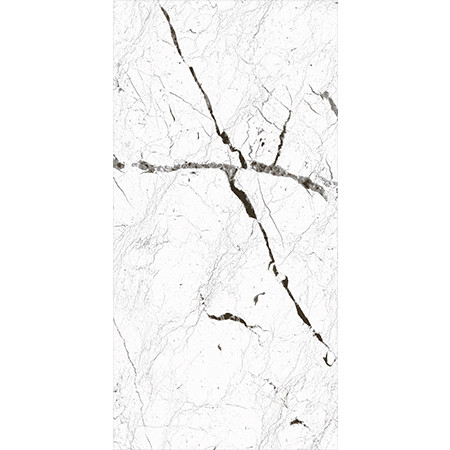
Marble has captivated architects, designers, and homeowners for centuries, not only because of its durability and luxurious appearance but also because of its extraordinary natural patterns. Among all the features that distinguish this remarkable stone, marble veining is undoubtedly the most fascinating. It is the intricate network of lines, swirls, clouds, and mineral deposits that transforms every slab into a one-of-a-kind work of natural art. No two marble slabs are ever identical, even when they are quarried from the same block, making every installation truly unique.
Understanding marble veining is essential before selecting marble for a residential or commercial project. The pattern, direction, colour, and intensity of the veins influence the overall appearance of a space just as much as the marble’s base colour. Whether you are planning a luxurious kitchen worktop, an elegant bathroom vanity, expansive flooring, a statement staircase, or a dramatic feature wall, recognising how veining develops and how it affects the finished installation will help you make a confident and informed decision.
Recommended Stone Solutions



Unlike engineered surfaces that are manufactured to achieve perfect uniformity, marble celebrates natural variation. Every vein tells the story of geological processes that occurred millions of years ago beneath the Earth’s surface. These natural characteristics cannot be copied, ensuring that every completed project possesses an individuality that manufactured materials simply cannot replicate.
At Maruti Mining Limited, we help architects, interior designers, developers, and homeowners select premium marble that balances visual beauty with practical performance. By understanding the science and artistry behind marble veining, clients can choose slabs that complement their design vision while appreciating the remarkable natural processes that created them.
What Is Marble Veining?
When people admire marble, the first feature they usually notice is the veining. These flowing lines, dramatic streaks, and intricate patterns are not surface markings but natural mineral formations that developed throughout the stone during its geological transformation.
Marble begins as limestone. Over millions of years, intense heat and pressure deep within the Earth’s crust cause the limestone to recrystallise into marble. During this metamorphic process, minerals are introduced into the stone through groundwater movement, tectonic activity, and chemical changes. As these minerals crystallise within microscopic fractures and spaces, they create the beautiful vein patterns that distinguish one slab from another.
The exact appearance of marble veining depends on several geological factors, including:
- Mineral composition
- Temperature during formation
- Pressure levels
- Direction of tectonic movement
- Geological age
- Chemical impurities
- Crystal growth
Because these natural conditions are never repeated in exactly the same way, every slab develops its own unique character.
If you would like to learn more about natural stone formation and fabrication, you can visit our Knowledge Base for expert insights.
Why Every Marble Slab Is Different
One of the greatest advantages of natural marble is that every installation is exclusive. Even slabs extracted from neighbouring sections of the same quarry display subtle differences in colour, crystal structure, and veining.
This variation occurs because geological conditions change continuously over millions of years. Mineral concentrations fluctuate, pressure shifts, and crystal growth follows different paths throughout the stone deposit. These changes produce countless combinations of colours and vein formations.
Rather than expecting perfect consistency, buyers should appreciate this individuality as one of marble’s defining qualities. A marble installation becomes a bespoke architectural feature because no other property anywhere in the world will contain precisely the same combination of patterns.
This uniqueness significantly contributes to marble’s prestige and long-term value.
The Minerals Responsible for Marble Veining
The colours found in marble veining originate from naturally occurring minerals trapped within the stone during its formation.
Some of the most common mineral influences include:
Graphite
Produces grey and black veining commonly seen in white marble.
Iron Oxides
Responsible for red, gold, rust, brown, and orange tones.
Serpentine
Creates distinctive green veining found in certain luxury marble varieties.
Quartz
Introduces lighter crystalline veins that add brightness and texture.
Clay Minerals
Can contribute cream, beige, or soft brown movement throughout the slab.
These minerals combine in countless ways, creating the extraordinary diversity of marble available today.
Different Styles of Marble Veining
Not all marble displays the same type of movement. In fact, architects often choose marble specifically because of its veining style rather than its background colour.
Some of the most common patterns include:
Linear Veining
Long, consistent lines running across the slab create an elegant, contemporary appearance.
Feather Veining
Soft branching veins resemble delicate feathers, producing subtle visual movement.
Spider-Web Veining
Fine interconnected veins spread across the stone in intricate networks.
Cloud Veining
Gentle mineral movement creates soft transitions rather than clearly defined lines.
Brecciated Patterns
Large fragmented mineral formations create dramatic, artistic surfaces.
Each pattern contributes differently to the overall atmosphere of an interior and should be considered alongside lighting, room size, and surrounding finishes.
Bookmatching Marble: Creating Mirror-Like Designs
One of the most impressive applications of marble veining is bookmatching. This technique involves placing two or more marble slabs together in a way that mirrors their natural patterns, creating a symmetrical design that resembles an open book.
Bookmatched marble has become highly desirable in luxury architecture because it transforms natural stone into a dramatic artistic feature. Instead of simply covering a surface, the marble itself becomes the centrepiece of the room.
Common applications for bookmatched marble include:
- Feature walls
- Hotel reception areas
- Luxury bathroom walls
- Fireplace surrounds
- Living room statement panels
- Executive office interiors
- High-end kitchen backsplashes
For example, a heavily veined white marble slab may display flowing grey patterns that continue perfectly from one side to another when two slabs are positioned correctly. The result is a large-scale visual composition that highlights the natural movement within the stone.
However, achieving successful bookmatching requires expert slab selection and fabrication. The slabs must be carefully chosen from the same block, cut accurately, and installed with precise alignment. Even small mistakes during fabrication can disrupt the intended visual effect.
At Maruti Mining Limited, experienced stone specialists help clients identify suitable slabs for statement installations and achieve the desired architectural outcome. You can also explore our gallery of completed projects to see examples of natural stone applications.
Vein Matching During Installation
While bookmatching creates a deliberate mirrored effect, vein matching focuses on ensuring that multiple marble pieces flow naturally together across a larger installation.
This process is especially important for:
- Large marble floors
- Kitchen worktops
- Long countertops
- Staircases
- Wall cladding
- Commercial interiors
A skilled installer considers the direction and movement of each slab before fixing the stone permanently. The goal is not always to create perfect symmetry but rather to ensure that the natural patterns appear intentional and visually balanced.
Poor slab arrangement can make even premium marble appear disconnected. Proper planning allows the natural movement of the stone to enhance the architectural design.
Before installation begins, professional fabricators usually create detailed layouts showing how each piece will be positioned. This allows architects, designers, and homeowners to approve the final arrangement before cutting and installation.
How Marble Veining Influences Interior Design
The appearance of marble veining plays a significant role in determining the mood and character of a space. Designers often select specific vein patterns depending on whether they want the interior to feel calm, dramatic, modern, or traditional.
Subtle Veining
Marble with soft, delicate veins creates a refined and understated appearance. It works well in minimalist interiors where the goal is elegance without visual distraction.
Applications include:
- Modern bathrooms
- Light-filled kitchens
- Contemporary apartments
- Corporate spaces
Bold Veining
Large, dramatic veins create stronger visual impact and are often used as architectural highlights.
Applications include:
- Feature walls
- Kitchen islands
- Luxury hotel interiors
- Statement fireplaces
Directional Veining
Marble with strong linear movement can visually influence the perception of space. Horizontal veins may make rooms appear wider, while vertical movement can emphasise height.
Designers often use directional patterns strategically to enhance architectural proportions.
Choosing the Right Marble Veining for Different Spaces
Selecting marble should involve more than choosing a favourite colour. The pattern and intensity of the veining must complement the room where the stone will be installed.
Kitchen Countertops
Kitchen surfaces benefit from carefully selected marble with balanced veining. Since countertops are highly visible, the natural movement of the stone can become a major design feature.
Popular choices include:
- White marble with grey veins
- Cream marble with subtle movement
- Dark marble with contrasting patterns
For busy kitchens, professional sealing and regular maintenance are essential.
Bathroom Designs
Bathrooms provide an excellent opportunity to showcase dramatic marble patterns because the stone experiences less mechanical wear compared to high-traffic flooring.
Popular applications include:
- Shower walls
- Vanity tops
- Bath surrounds
- Feature panels
Large-format slabs with continuous veining can create a luxurious spa-like atmosphere.
Flooring
Flooring requires careful consideration because the pattern must work across multiple slabs. Designers often prefer marble with consistent movement that creates visual flow throughout the space.
Large commercial lobbies, hotels, and luxury residences frequently use marble flooring because the natural patterns create a sense of scale and sophistication.
Feature Walls
Feature walls are among the best applications for dramatic marble veining. Since the surface is primarily decorative, designers can select highly expressive slabs without worrying about heavy daily wear.
A single carefully positioned marble wall can completely transform the character of a room.
Natural Marble Versus Engineered Stone Patterns
Modern engineered surfaces can reproduce marble-inspired designs, but they cannot replicate the geological uniqueness of genuine marble.
Manufactured materials are designed for consistency. Every slab follows a controlled pattern, making installation easier when uniformity is required.
Natural marble offers:
- Unique mineral formations
- Individual vein movement
- Authentic geological character
- Luxury appeal
- Timeless architectural value
Engineered materials offer:
- Predictable patterns
- Consistent colour
- Reduced variation
- Easier matching
The choice depends on project priorities. Some developments require absolute consistency, while others value the authenticity and individuality that only natural stone can provide.
Clients exploring alternatives can also discover the full range of quartz surfaces available through Maruti Mining Limited.
What to Look for When Selecting Marble Slabs
Choosing the right slab is one of the most important stages of any marble project. Since every piece is unique, physically viewing and approving the material before fabrication is highly recommended.
Important factors to consider include:
Vein Direction
Consider how the veins will appear once installed. A slab that looks attractive individually may produce a different effect when combined with others.
Pattern Scale
Large rooms often benefit from bold veining, while smaller spaces may require more subtle patterns.
Colour Balance
Ensure the marble complements surrounding materials such as cabinetry, flooring, furniture, and lighting.
Natural Variation
Accepting variation is part of choosing natural stone. Small differences demonstrate authenticity and uniqueness.
Final Application
The ideal marble for a feature wall may not be the best choice for a heavily used countertop or floor.
Professional advice can help match the stone’s characteristics with the intended purpose.


Leave a Reply