



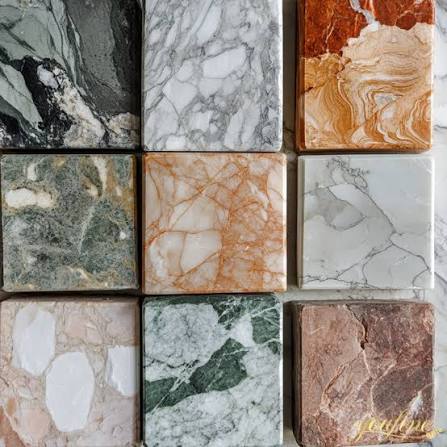
Marble has remained one of the world’s most admired natural stones for centuries, gracing everything from iconic monuments and luxury hotels to elegant family homes and contemporary commercial developments. Its natural veining, distinctive colour variations, and enduring appeal make it a preferred choice for architects, interior designers, property developers, and homeowners who seek both beauty and long-term performance. Understanding the different types of marble is one of the most important steps when selecting the right stone for a project, as every variety possesses unique visual characteristics, technical properties, maintenance requirements, and practical applications.
Unlike engineered materials that are manufactured to achieve a uniform appearance, marble is entirely natural. Every slab is formed over millions of years beneath the Earth’s surface through the metamorphism of limestone under intense heat and pressure. During this geological process, minerals become trapped within the stone, producing the intricate veining, colours, and textures that make each piece unique. This individuality is one of marble’s greatest strengths, ensuring that every installation has its own distinctive identity.
Recommended Stone Solutions
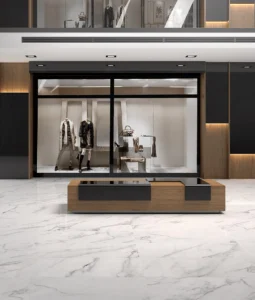


Today, the market offers an impressive range of marble varieties, each suited to different architectural styles and functional requirements. Some homeowners prefer the timeless elegance of white marble for bright, luxurious interiors, while others favour darker stones that create dramatic focal points. Coloured marble has also become increasingly popular for feature walls, statement kitchen islands, and sophisticated commercial spaces where individuality is a design priority.
Choosing between the many types of marble involves much more than selecting a preferred colour. Factors such as mineral composition, hardness, porosity, maintenance requirements, intended application, lighting conditions, and surrounding finishes all influence whether a particular marble will perform well over time. A kitchen worktop experiences different demands from a bathroom vanity, while commercial flooring requires different characteristics from decorative wall cladding. Understanding these differences allows property owners to make informed investment decisions that balance aesthetics with practicality.
At Maruti Mining Limited, we supply and fabricate premium natural stone for residential, commercial, hospitality, and institutional developments throughout East Africa. Whether your project involves flooring, kitchen worktops, bathroom surfaces, staircases, fireplaces, feature walls, or reception areas, selecting the appropriate marble variety ensures lasting elegance and exceptional value. You can begin by exploring the Homepage to discover our complete range of natural stone solutions.
Understanding How Marble Is Formed
To fully appreciate the different types of marble, it is helpful to understand how this remarkable material is created. Marble begins as limestone, a sedimentary rock composed primarily of calcium carbonate. Over millions of years, tectonic activity subjects limestone deposits to extraordinary temperatures and pressure deep beneath the Earth’s surface. This process, known as metamorphism, causes the limestone crystals to recrystallise, transforming the rock into marble.
During this transformation, naturally occurring minerals become embedded within the stone. These minerals are responsible for the extraordinary range of colours and veining patterns found in marble today. Iron oxides introduce warm reds, browns, and golds. Graphite contributes grey and black markings, while serpentine minerals create the beautiful green marbles increasingly favoured in luxury interiors. Other mineral combinations produce cream, pink, blue, and even violet tones that make certain marble varieties exceptionally rare.
These natural variations should never be viewed as defects. Instead, they represent the unique fingerprint of every slab, ensuring that no two marble installations are exactly alike. This individuality is impossible to reproduce using synthetic materials, making natural marble a truly exclusive architectural finish.
For those interested in learning more about natural stone selection, fabrication techniques, and maintenance practices, you can visit our Knowledge Base for expert insights.
Why Understanding the Different Types of Marble Matters
Many people assume that all marble performs in the same way simply because it belongs to the same family of natural stone. In reality, significant differences exist between marble varieties, influencing how they should be used and maintained.
Some marbles are lighter in colour and create bright, spacious interiors, while others offer dramatic contrast suitable for feature installations. Certain varieties are more porous than others, requiring greater attention to sealing and maintenance, whereas denser stones perform particularly well in high-traffic environments.
Understanding these differences before purchasing marble helps prevent costly mistakes and ensures the finished installation meets both aesthetic and practical expectations.
When comparing the various types of marble, several factors should always be considered:
- Colour consistency
- Veining intensity
- Mineral composition
- Surface hardness
- Porosity
- Finish options
- Resistance to wear
- Maintenance requirements
- Availability
- Overall project budget
By balancing these considerations with the intended application, property owners can select a stone that continues to perform beautifully for decades.
White Marble: The Definition of Timeless Luxury
Among all types of marble, white marble remains the most recognised and sought-after. Its crisp appearance, elegant grey veining, and remarkable ability to reflect natural light have made it synonymous with luxury architecture throughout history.
White marble has been used in some of the world’s most celebrated buildings and sculptures because of its purity, versatility, and enduring beauty. Today, it remains equally relevant in contemporary homes, premium apartments, luxury hotels, executive offices, and commercial developments.
One of white marble’s greatest strengths is its ability to complement almost every interior design style. Whether paired with traditional timber cabinetry, minimalist black fixtures, brushed brass fittings, or contemporary glass elements, it provides a sophisticated backdrop that never appears dated.
Common applications include:
- Kitchen worktops
- Bathroom vanities
- Shower walls
- Luxury flooring
- Staircases
- Fireplace surrounds
- Hotel reception areas
- Corporate lobbies
- Decorative wall cladding
Although white marble is admired for its bright appearance, lighter surfaces naturally reveal spills and stains more readily than darker stones. Regular sealing and appropriate cleaning therefore play an important role in preserving its pristine appearance.
If you are considering premium marble for your next project, you can learn more about marble options available through Maruti Mining Limited.
Grey Marble: Contemporary Elegance
Grey marble has become increasingly popular among architects seeking clean, understated sophistication. Offering a subtle alternative to brilliant white marble, grey varieties create interiors that feel modern, refined, and effortlessly elegant.
Available in shades ranging from soft silver to deep charcoal, grey marble often features striking white veining that introduces visual movement without dominating a room. This balance makes it particularly suitable for minimalist architecture where simplicity remains the defining characteristic.
Grey marble works exceptionally well alongside natural timber, brushed stainless steel, matte black fixtures, exposed concrete, and large expanses of glazing. These combinations are frequently seen in contemporary apartments, executive offices, luxury retail environments, and boutique hotels.
Another practical advantage of grey marble is its ability to disguise minor dust and everyday marks more effectively than lighter stones, making it an attractive choice for busy households and commercial interiors.
Black Marble: Creating Dramatic Focal Points
Black marble represents one of the most striking types of marble available today. Characterised by its deep background and contrasting white, gold, or silver veining, it creates an unmistakable sense of sophistication and exclusivity.
Rather than covering every surface within a room, black marble is often used strategically to create dramatic focal points. A single kitchen island, fireplace surround, reception counter, or bathroom feature wall finished in polished black marble can transform an otherwise understated interior into a truly memorable space.
Highly polished black marble reflects both natural and artificial light, enhancing the visibility of its intricate veining while creating a luxurious mirror-like finish. When paired with brass accents, warm timber, or carefully designed lighting schemes, the result is an elegant interior that balances boldness with refinement.
Many luxury hospitality projects use black marble selectively to reinforce an atmosphere of exclusivity without overwhelming the surrounding design. For clients seeking complementary natural stone for heavy-use areas, it is also worth exploring our extensive collection of granite, which offers exceptional durability alongside striking natural beauty.
Beige and Cream Marble: Warm Elegance That Never Goes Out of Style
While white and black marble often attract the most attention, beige and cream varieties remain among the most widely specified types of marble for both residential and commercial projects. Their warm, neutral appearance creates interiors that feel welcoming, sophisticated, and timeless without dominating the overall design.
Unlike brighter white marble, cream and beige tones introduce subtle warmth into a room. They work exceptionally well with natural timber flooring, soft textiles, bronze fittings, and earthy colour palettes, making them suitable for homes that prioritise comfort as much as luxury.
Architects frequently specify beige marble for expansive flooring because its neutral colour allows furniture, artwork, and architectural details to become the visual focus. It also provides excellent continuity between adjoining rooms, creating a seamless transition throughout a property.
Typical applications include:
- Living room flooring
- Hotel lobbies
- Luxury apartment entrances
- Hallways
- Staircases
- Bathroom walls
- Fireplace surrounds
Another advantage of beige marble is its ability to disguise dust and minor marks better than pure white surfaces, making routine cleaning appear less demanding while maintaining an elegant appearance.
Brown Marble: Rich Character and Natural Warmth
Brown marble is appreciated for its deep, earthy colours that create interiors with warmth and personality. Shades can range from soft caramel and coffee tones to rich chocolate hues highlighted by cream, gold, or white veining.
These characteristics make brown marble particularly attractive in executive offices, libraries, luxury hotels, restaurants, and residential living spaces where designers wish to create a welcoming atmosphere.
Brown marble pairs naturally with walnut cabinetry, leather furniture, brushed brass fittings, and warm ambient lighting. Rather than feeling formal, interiors finished with brown marble often convey comfort and understated luxury.
It is also a practical option for areas that experience moderate daily use, as darker tones tend to conceal everyday dust more effectively than lighter stones.
Green Marble: A Distinctive Natural Statement
Green marble has become increasingly popular among architects seeking to introduce dramatic natural colour into interior spaces. Produced by minerals such as serpentine, green marble displays an extraordinary range of shades, from delicate sage and olive tones to rich emerald and deep forest green.
Unlike neutral marble varieties that blend into their surroundings, green marble is usually selected as a statement material. It immediately attracts attention while maintaining the elegance expected from premium natural stone.
Popular applications include:
- Bathroom vanity tops
- Decorative wall panels
- Reception desks
- Luxury spa facilities
- Hotel feature walls
- Dining tables
- Fireplace surrounds
Green marble combines particularly well with brass fixtures, natural timber, matte black accessories, and soft indirect lighting, producing interiors that feel luxurious yet connected to nature.
Designers frequently balance green marble with lighter neutral materials to prevent the overall space from becoming visually overwhelming.
Red Marble: Bold and Traditional
Among the various types of marble, red marble remains one of the rarest and most visually striking. Rich iron oxide deposits create colours ranging from terracotta and burgundy to deep crimson, often intersected by white or grey veining.
Historically, red marble was associated with royal buildings, government institutions, and prestigious architectural projects because of its rarity and dramatic appearance. Today, it continues to be used where designers wish to create memorable interiors with strong visual character.
Rather than covering entire rooms, red marble is commonly installed in carefully selected locations such as:
- Feature walls
- Decorative columns
- Reception counters
- Luxury bathrooms
- Hotel entrances
- Fireplace surrounds
Its distinctive appearance pairs exceptionally well with neutral flooring, cream walls, and understated furnishings that allow the stone itself to remain the focal point.
Blue Marble: One of the Rarest Marble Varieties
Blue marble occupies the premium end of the natural stone market because of both its rarity and remarkable appearance. Created through unique mineral compositions, blue marble displays shades ranging from soft grey-blue to dramatic navy with intricate white, silver, or gold veining.
Because supply is limited, blue marble is generally reserved for prestigious residential developments, luxury hospitality projects, boutique retail environments, and executive commercial spaces.
Architects often use blue marble sparingly, allowing it to become the defining visual element within a room rather than competing with other decorative finishes.
Examples include:
- Kitchen islands
- Bathroom feature walls
- Reception counters
- Boardroom tables
- Luxury bar tops
- Decorative wall cladding
Its exclusivity contributes significantly to the perceived value of a completed project.
Pink Marble: Soft Sophistication
Pink marble provides a unique balance between elegance and warmth. Although less common than white or beige varieties, it has become increasingly popular in boutique hospitality, luxury retail, and contemporary residential interiors.
Natural pink marble ranges from pale blush to deeper rose tones, usually accented by delicate white, grey, or gold veining.
Rather than creating dramatic contrast, pink marble introduces subtle colour while maintaining the refined appearance associated with natural stone.
It is particularly effective for:
- Powder rooms
- Bathroom vanities
- Decorative wall panels
- Boutique hotel interiors
- Retail displays
- Coffee tables
Combined with brushed brass, light timber, and soft neutral colours, pink marble creates interiors that feel sophisticated without appearing overly decorative.
Comparing Marble by Appearance
When comparing the different types of marble, colour is often the first consideration. However, appearance extends beyond colour alone. Veining intensity, crystal structure, polish, and natural movement all influence how the finished installation will look.
White marble generally creates the brightest interiors and reflects the greatest amount of natural light.
Grey marble offers subtle sophistication that complements contemporary architecture.
Black marble delivers maximum visual contrast and dramatic elegance.
Beige and cream marble introduce warmth while remaining versatile enough for virtually any design style.
Green marble creates bold organic focal points inspired by nature.
Brown marble provides richness and comfort.
Red marble introduces classical grandeur.
Blue marble delivers exclusivity.
Pink marble offers understated refinement.
Each variety contributes differently to the atmosphere of a room, making careful material selection essential during the design process.
Understanding Marble Veining
One characteristic shared by all types of marble is natural veining. These patterns form during geological transformation as minerals crystallise within the stone over millions of years.
Veining varies considerably between marble varieties.
Some stones display soft, flowing lines that create calm, understated surfaces, while others feature dramatic bold veins that become architectural artwork in their own right.
The principal veining styles include:
- Linear veining
- Feathered veining
- Cloud-like movement
- Brecciated patterns
- Bold directional veins
- Fine spider-web veining
The choice largely depends upon the desired visual effect.
Large open spaces often benefit from dramatic veining, whereas smaller rooms may feel more balanced with softer patterns.
Before making a final decision, many clients prefer to preview their chosen material within realistic room settings. Maruti Mining Limited offers a convenient Marble Visualizer, enabling homeowners, designers, and architects to compare different marble styles before fabrication and installation.
Marble Finishes and Their Effect on Appearance
The same marble variety can produce very different visual results depending on its finish.
A polished finish enhances colour depth while reflecting surrounding light, creating the luxurious appearance most people associate with marble.
A honed finish provides a smooth matte surface that produces a softer, contemporary aesthetic with reduced glare.
Brushed finishes introduce gentle texture while preserving much of the stone’s natural beauty.
Leathered finishes offer additional tactile character and are increasingly specified for feature installations and bespoke furniture.
Selecting the appropriate finish depends on the intended application, desired appearance, maintenance expectations, and overall architectural style.
For inspiration on how different finishes are used in completed projects, you can explore our gallery of completed projects.
Marble Compared with Granite
One of the most common questions asked by homeowners, architects, and developers is whether marble or granite is the better choice. While both are premium natural stones, they differ significantly in appearance, physical characteristics, and long-term performance. Understanding these differences helps ensure the selected material aligns with both the project’s aesthetic goals and functional requirements.
Marble is renowned for its elegant veining and refined appearance. Its softer visual character makes it particularly suitable for luxurious interiors where natural movement and timeless beauty are priorities. Granite, by contrast, typically features a more granular pattern and offers exceptional resistance to scratching, heat, and heavy daily use.
Marble is commonly selected for:
- Bathroom vanities
- Feature walls
- Fireplace surrounds
- Staircases
- Luxury flooring
- Decorative wall cladding
- Reception areas
Granite is often preferred for:
- Busy kitchen worktops
- Commercial countertops
- Outdoor applications
- High-traffic flooring
- Food preparation areas
Neither material is universally better than the other. Instead, each excels in different environments depending on the project’s practical requirements and design objectives.
For projects requiring exceptional durability alongside natural beauty, you can explore our extensive collection of granite.
Marble Compared with Quartz
Another important comparison involves marble and engineered quartz. While marble is a completely natural stone formed over millions of years, quartz surfaces are manufactured using crushed natural quartz combined with resins and pigments.
Quartz offers impressive consistency because every slab is engineered to achieve uniform colours and patterns. It is also non-porous, making it highly resistant to staining and requiring minimal maintenance.
Marble offers different advantages:
- Entirely natural formation
- Unique veining in every slab
- Distinctive luxury appearance
- Increased architectural prestige
- Timeless aesthetic value
Quartz provides:
- Consistent colour
- Lower maintenance
- Excellent stain resistance
- High durability
- Wide design flexibility
Many contemporary projects successfully combine both materials. Marble may be used for statement walls or bathroom vanities, while quartz provides practical kitchen worktops that experience intensive daily use.
To compare engineered stone options, you can discover the full range of quartz surfaces available through Maruti Mining Limited.
Choosing the Right Marble for Different Spaces
Selecting between the various types of marble depends not only on appearance but also on how each space will be used. Every room places different demands on the material, making careful planning essential before fabrication begins.
Kitchens
Kitchen worktops require a balance between elegance and practicality. Marble creates stunning kitchen surfaces, particularly in luxury homes where natural beauty is prioritised. However, because kitchens are exposed to food preparation, liquids, oils, and acidic ingredients, selecting an appropriate marble variety and applying professional sealing is essential.
Lighter marble varieties remain popular for open-plan kitchens because they reflect natural light and contribute to an airy atmosphere, while darker stones create striking central islands that become architectural focal points.
Bathrooms
Bathrooms are among the most suitable environments for marble. Vanity tops, shower walls, flooring, and bath surrounds all benefit from marble’s luxurious appearance.
White marble continues to dominate spa-inspired bathrooms, whereas green and black marble create bold contemporary interiors. Beige and cream varieties remain excellent choices where warmth and softness are desired.
Proper ventilation and periodic sealing help preserve the stone’s appearance for many years.
Flooring
Marble flooring has symbolised luxury for centuries. Large-format marble tiles create seamless interiors with exceptional visual impact.
When selecting marble flooring, considerations include:
- Foot traffic
- Room size
- Natural lighting
- Surface finish
- Maintenance expectations
Highly polished finishes create dramatic reflections, while honed finishes reduce glare and provide a softer contemporary appearance.
Staircases
Few architectural elements make a stronger impression than a beautifully crafted marble staircase.
Because staircases receive concentrated foot traffic, selecting a durable variety and ensuring professional edge finishing are essential. Precision fabrication guarantees clean joints, consistent nosing profiles, and long-lasting structural integrity.
Feature Walls
Many of today’s most impressive interiors use marble as decorative wall cladding rather than flooring alone.
Large book-matched slabs transform living rooms, hotel receptions, restaurants, and executive offices into striking architectural spaces. Dramatic varieties such as black, green, blue, and richly veined white marble are particularly effective in these applications because they experience minimal physical wear while showcasing the stone’s natural artistry.
Marble Finishes and Their Practical Benefits
Although colour receives considerable attention, surface finish also influences both appearance and performance.
Polished Finish
A polished finish enhances colour intensity and creates the reflective surface traditionally associated with premium marble. This finish is especially popular for reception areas, feature walls, and luxury residential interiors where maximum visual impact is desired.
Honed Finish
Honed marble provides a smooth matte appearance with reduced light reflection. Many contemporary designers favour honed finishes because they create understated elegance while minimising the visibility of minor surface marks.
Brushed Finish
Brushed marble introduces subtle texture that enhances the stone’s natural character. It is frequently used in decorative applications where a softer, tactile appearance is preferred.
Leathered Finish
Leathered marble combines gentle texture with a sophisticated finish that highlights the stone’s natural movement while reducing glare. It is becoming increasingly popular for bespoke furniture, feature walls, and premium commercial interiors.
Selecting the correct finish should always take into account the intended use, desired appearance, maintenance expectations, and surrounding architectural materials.
Fabrication: Turning Stone into Precision Architecture
Even the finest marble cannot achieve outstanding results without expert fabrication. Modern stone processing combines advanced machinery with skilled craftsmanship to transform raw slabs into precisely engineered architectural components.
Professional fabrication typically includes:
- Digital templating
- Precision CNC cutting
- Edge profiling
- Sink cut-outs
- Hob cut-outs
- Polishing
- Surface finishing
- Quality inspection
Accurate fabrication ensures that joints remain discreet, dimensions are exact, and every piece fits perfectly during installation.
At Maruti Mining Limited, fabrication is carried out using advanced equipment and experienced craftsmen, allowing every project to achieve exceptional precision regardless of scale.
Professional Installation Makes the Difference
Selecting premium marble is only the beginning. Correct installation plays an equally important role in determining the finished appearance and long-term durability of the project.
Professional installation begins with careful site assessment and substrate preparation. Any irregularities beneath the marble must be corrected before installation to prevent uneven surfaces or unnecessary stress on the stone.
Experienced installers also ensure:
- Accurate alignment
- Consistent joint spacing
- Correct adhesive selection
- Secure fixing
- Professional sealing
- Detailed finishing
Large-format marble installations demand particular expertise because even minor inaccuracies become highly visible across expansive surfaces.
Whether installing flooring, staircases, kitchen worktops, bathroom vanities, or wall cladding, skilled installation protects the investment while ensuring the finished project reflects the quality of the material itself.


Leave a Reply