Quartz vs. Granite vs. Marble: Which Natural Stone is Best for Your Kitchen in Kenya?

Quartz vs. Granite vs. Marble: Kenyan kitchen countertops
Selecting the perfect countertop material for your Kenyan kitchen is more than just a design decision—it’s an investment in your home’s functionality, aesthetics, and value. Among the myriad options available, three natural stones stand out as premier choices: quartz, granite, and marble. Each offers distinct advantages in terms of durability, maintenance requirements, and visual appeal, making them uniquely suited to different kitchen environments and lifestyles. In Kenya’s diverse climate, from the coastal humidity to the highland dryness, and considering the unique culinary traditions that involve preparing everything from ugali to frying fish, choosing the right surface material becomes particularly important. This comprehensive guide examines these three popular stones in depth, providing Kenyan homeowners with the essential information needed to make an informed decision that balances practicality with beauty, ensuring your kitchen not only looks spectacular but stands up to the demands of daily life in Kenya.
Natural Stone Comparison
Understanding Quartz: The Engineered Marvel
Maruti Mining is the premier Quartz Stone Supplier in Kenya, offering a wide range of high-quality quartz products that cater to various applications. With a commitment to excellence and a dedication to delivering top-notch quartz stone solutions, Maruti Mining has established itself as a trusted name in
the industry.
Composition and Characteristics
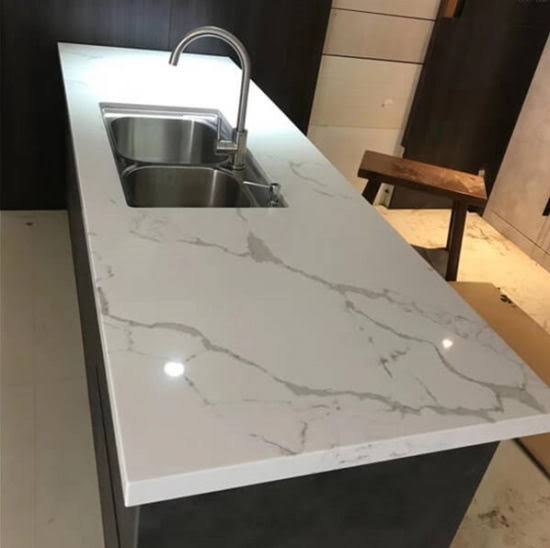
Quartz countertops are often misunderstood as purely natural stone, but they are actually engineered surfaces composed of approximately 90-95% ground natural quartz crystals mixed with 5-10% polymer resins, pigments, and other binding materials. This manufacturing process creates a non-porous surface that is incredibly durable and resistant to staining, scratching, and bacterial growth. Unlike granite and marble which are quarried in slabs, quartz is factory-produced, allowing for greater consistency in color and pattern across different batches. The result is a material that combines the beauty of natural stone with enhanced performance characteristics that make it particularly suitable for the busy Kenyan kitchen where durability and hygiene are paramount considerations.
Advantages for Kenyan Homes | kitchen surfaces Kenya
Quartz offers several distinct benefits that make it an excellent choice for Kenyan homeowners. Its non-porous nature means it never requires sealing—a significant advantage in Kenya’s humid coastal areas like Mombasa or Malindi where moisture resistance is crucial. This quality also makes quartz highly resistant to stains from common Kenyan cooking ingredients like turmeric, tomato-based sauces, and cooking oils. Quartz is exceptionally hygienic and easy to clean, requiring only a damp cloth and mild detergent for daily maintenance—a practical feature for busy households. Additionally, quartz offers design consistency with a wide range of colors and patterns available, including options that convincingly mimic the look of natural marble or granite without the associated maintenance requirements. For contemporary Kenyan kitchens seeking a uniform, modern aesthetic with minimal maintenance, quartz presents an compelling option that balances beauty with practicality.
Limitations and Considerations
Despite its many advantages, quartz does have some limitations that Kenyan homeowners should consider. While highly resistant to scratches and stains, quartz can be damaged by excessive heat, as the resin binders can melt or discolor when exposed to temperatures above 300°F (149°C). This means hot pots and pans should never be placed directly on quartz surfaces—a consideration for Kenyan cooking traditions that often involve high-heat preparation. Additionally, quartz, while durable, can be more expensive than granite in the Kenyan market, with prices typically ranging from Ksh 3,500 to Ksh 7,000 per square foot installed, depending on the quality and brand. Although quartz is UV-resistant, prolonged direct sunlight can cause some colors to fade over time, which might be a consideration for open-plan kitchens with large windows in areas like Nairobi’s suburbs where natural light is abundant.
Granite: The Natural Workhorse

For premium granite kitchen tops, contact Maruti Mining Limited today and explore the finest selection of natural stones in Kenya.
Formation and Properties
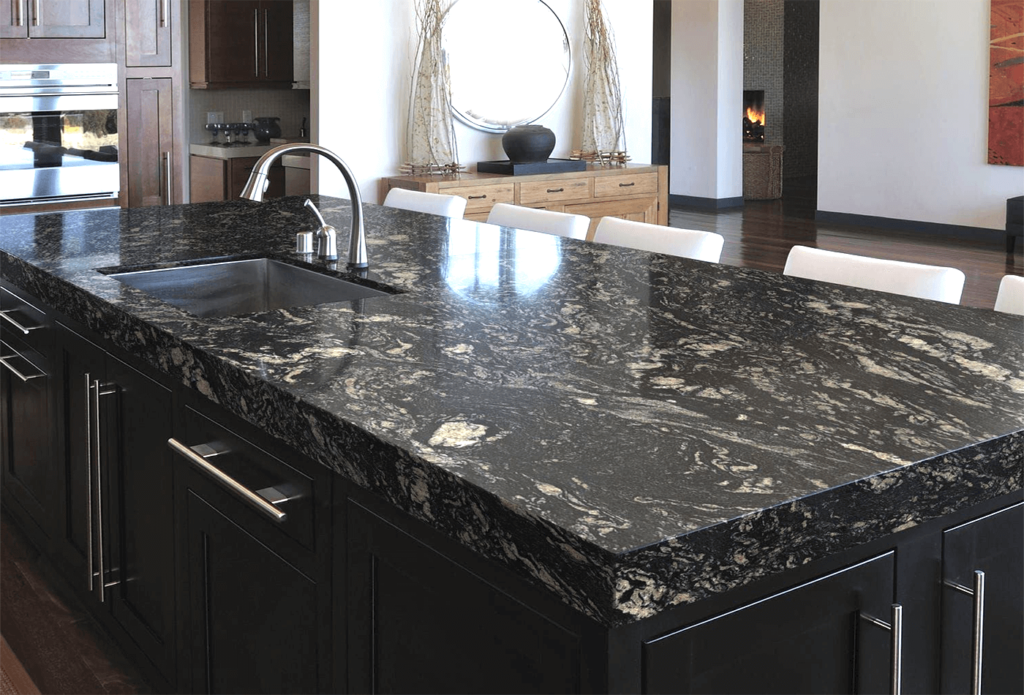
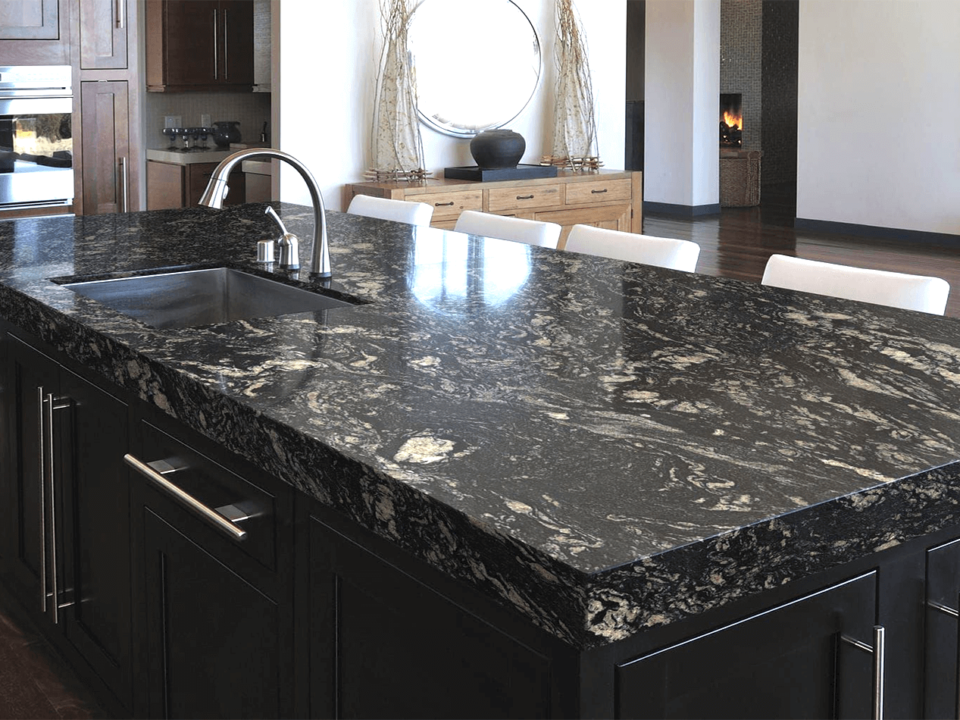
Granite is an igneous rock formed from cooled molten magma deep beneath the earth’s surface, composed primarily of quartz, feldspar, and mica minerals. This natural composition gives granite its characteristic speckled appearance and remarkable durability, making it one of the hardest natural stones available for countertops. Each granite slab is entirely unique, with variations in mineral composition creating distinctive patterns and color variations that range from subtle to dramatic. In Kenya, granite is sourced both locally and imported from countries like Brazil, India, and China, offering homeowners a wide selection of colors and patterns to suit different design preferences. The natural variations in granite mean that no two kitchens will look exactly alike, offering a distinctive aesthetic that many Kenyan homeowners find appealing for creating a unique kitchen space.
Benefits in the Kenyan Context
Granite’s popularity in Kenyan kitchens is well-deserved, thanks to its exceptional heat resistance—a valuable property for cooks who frequently work with hot pots and pans straight from the stove or oven. Unlike quartz, granite can withstand high temperatures without damage, making it ideal for Kenyan cooking styles that often involve high-heat preparation methods. Granite is also highly scratch-resistant, standing up well to knife work and heavy daily use, though it’s still recommended to use cutting boards to protect both your knives and the stone surface. When properly sealed (typically once every 1-2 years), granite becomes highly resistant to stains from common Kenyan kitchen ingredients like coffee, tea, oil, and spices. For homeowners seeking a natural stone that combines beauty with practicality, granite offers an excellent balance that has made it a perennial favorite in Kenyan kitchens from luxurious Nairobi apartments to rustic farmhouses in the Rift Valley.
Maintenance and Care – durable countertops Kenya
While granite is incredibly durable, it does require regular maintenance to keep it looking its best. Unlike quartz, granite is porous and must be sealed upon installation and re-sealed periodically—typically every 1-2 years depending on usage and the specific type of granite. The need for sealing is especially important in Kenya’s humid climates where moisture can penetrate more easily into porous surfaces. Testing whether your granite needs resealing is simple: place a few drops of water on the surface—if it darkens the stone or absorbs within 10-15 minutes, it’s time to reseal. Daily cleaning is straightforward with just mild soap and water, but acidic cleaners should be avoided as they can break down the sealant over time. With proper care, a granite countertop can last a lifetime, making it a long-term investment that adds significant value to Kenyan homes,
both in terms of functionality and resale potential.
Marble: The Timeless Luxury
Characteristics and Appeal
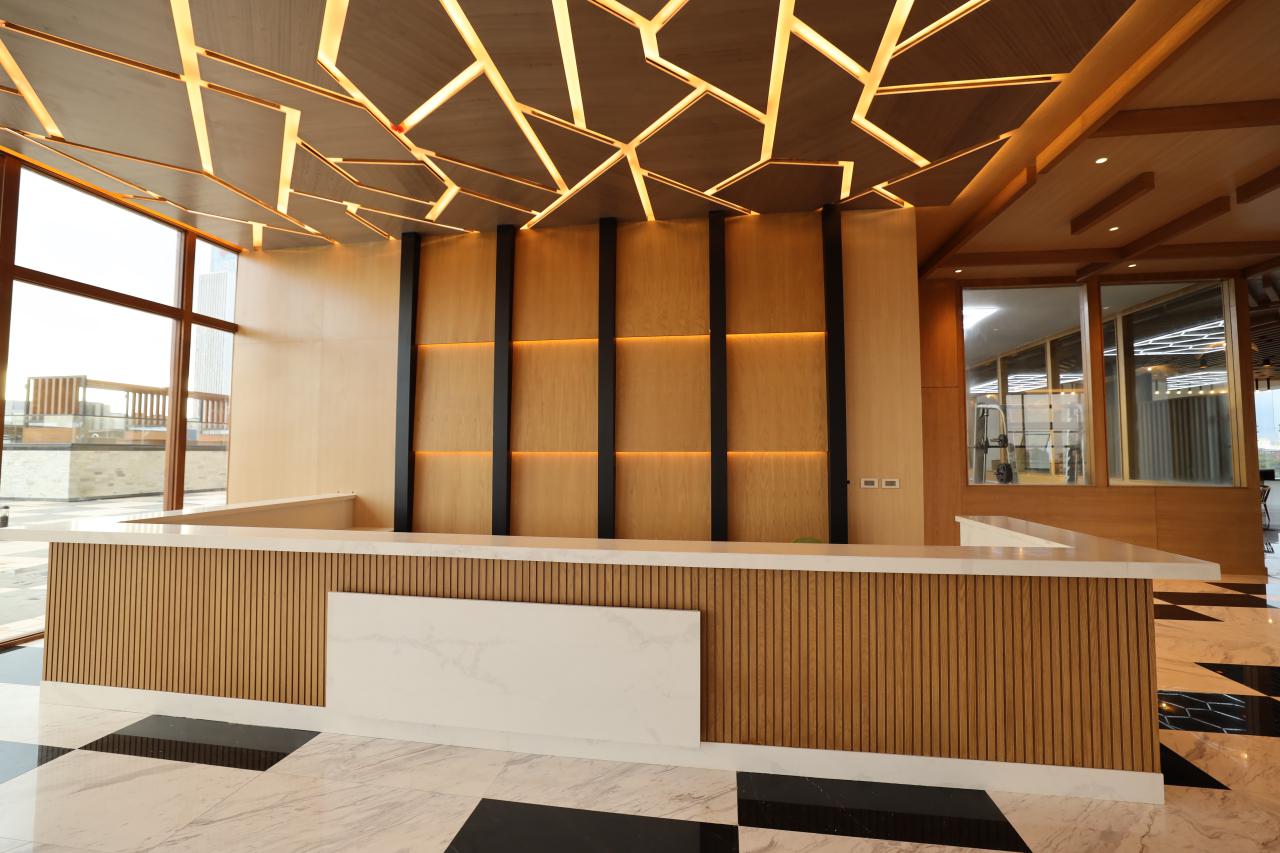
Marble is a metamorphic rock formed from recrystallized carbonate minerals, most commonly limestone, that has been subjected to immense heat and pressure over geological time. This process creates marble’s distinctive veining patterns and luminous quality that has made it synonymous with luxury and elegance for centuries. Unlike the speckled appearance of granite or uniform patterns of quartz, marble features flowing, organic veins that range from subtle to dramatic, with each slab being completely unique. The classic beauty of marble has made it a favorite for high-end Kenyan homes and luxury hotels, particularly for creating sophisticated, timeless kitchens that make a design statement. From the creamy whites of Carrara marble to the dramatic grays of Nero Marquina, marble offers a aesthetic appeal that many homeowners find irresistible, despite its practical challenges in a kitchen environment.
Practical Considerations in Kenya
While marble is undoubtedly beautiful, it requires careful consideration regarding its practicality in Kenyan kitchens. Marble is softer and more porous than either granite or quartz, making it more susceptible to scratching, staining, and etching from acidic substances. This vulnerability is particularly relevant in Kenyan kitchens where citrus fruits, tomatoes, wine, and other acidic ingredients are frequently used in cooking. Without diligent care, marble surfaces can develop a patina—a change in appearance that some homeowners appreciate as adding character, while others view as undesirable wear. Marble also requires regular sealing—typically every 6-12 months—to maintain its resistance to staining, especially in humid Kenyan climates where moisture absorption can be accelerated. For homeowners who prize aesthetic appeal above practicality or who are willing to commit to regular maintenance, marble can create a stunning kitchen centerpiece, but it may not be the best choice for busy family kitchens where durability is a primary concern.
Temperature Properties and Uses
One of marble’s unique properties that can be particularly advantageous in Kenya’s warm climate is its natural coolness to the touch. This thermal quality makes marble an excellent surface for working with pastry and baked goods, as it helps keep doughs from becoming too soft during preparation. While not as heat-resistant as granite, marble can withstand moderate temperatures, though it’s still advisable to use trivets or hot pads to protect the surface from potential thermal shock. In Kenyan kitchens, marble is often used for specific applications rather than entire countertops—such as island tops, baking stations, or accent sections—where its aesthetic appeal can be showcased while minimizing exposure to potential damage. This approach allows homeowners to incorporate the beauty of marble without committing to the maintenance requirements of a full marble countertop, creating a balance between luxury and practicality that suits the Kenyan context.
Comparative Analysis: Making the Right Choice for Your Kenyan Kitchen – quartz vs granite vs marble
Durability and Resistance
When evaluating quartz, granite, and marble for Kenyan kitchens, durability is often a primary consideration. Granite ranks highest in terms of overall durability, with exceptional resistance to scratches, heat, and chips—making it ideal for busy kitchens that see heavy daily use. Its hardness second only to diamonds means it can withstand the demands of Kenyan cooking traditions, from preparing ugali to frying fish, without showing significant wear. Quartz follows closely in durability, with excellent resistance to scratches, stains, and impacts, though it falls short in heat resistance compared to granite. The non-porous nature of quartz makes it particularly hygienic, resisting bacterial growth—an important consideration for Kenyan families concerned about kitchen cleanliness. Marble is the softest and most vulnerable of the three, requiring careful use and regular maintenance to prevent etching, staining, and scratching. Homeowners with active kitchens or young children might prefer granite or quartz for their durability, while those who prioritize aesthetics and are willing to accept some patina development might find marble appealing despite its maintenance requirements.
Maintenance Requirements
Maintenance needs vary significantly among the three materials, an important factor for Kenyan homeowners with busy lifestyles. Quartz requires the least maintenance, needing no sealing and only routine cleaning with mild soap and water—a significant advantage for those who prefer minimal upkeep. Its non-porous surface resists staining permanently, not just when freshly sealed. Granite requires moderate maintenance, needing sealing upon installation and re-sealing every 1-2 years depending on usage. Daily cleaning is simple, but acidic spills should be wiped up promptly to prevent potential damage to the sealant. Marble demands the most maintenance, requiring careful cleaning with pH-neutral products, prompt attention to spills (especially acidic substances like citrus juice or wine), and more frequent sealing—typically every 6-12 months. The maintenance commitment for marble is substantial, making it best suited for homeowners who value its aesthetic appeal enough to dedicate time to its care, or for use in lower-impact areas of the kitchen.
Aesthetic Appeal and Design Options
Each material offers distinct aesthetic qualities that cater to different design preferences in Kenyan homes. Marble provides timeless elegance with its unique veining and luminous quality, creating a sophisticated, luxury appeal that many homeowners desire. Each marble slab is completely unique, offering a one-of-a-kind appearance that cannot be replicated. However, the available color range is somewhat limited primarily to whites, grays, and subtle earth tones. Granite offers natural variation with its speckled mineral patterns and a wider color range than marble, including blacks, whites, browns, blues, greens, and even reds. The natural patterns provide visual interest while typically being more subtle than marble’s dramatic veining. Quartz provides design consistency with a virtually unlimited range of colors and patterns, including convincing reproductions of natural stone appearances. This consistency allows for uniform appearance across large countertops, which can be advantageous for seamless kitchen designs. Quartz also offers options that aren’t found in nature, including solid colors and unconventional patterns, providing design flexibility for contemporary Kenyan kitchens.
Cost Considerations in the Kenyan Market
Cost is an important factor for most Kenyan homeowners when selecting countertop materials. In the Kenyan market, granite typically offers the most affordable option among natural stones, with prices ranging from Ksh 2,500 to Ksh 6,000 per square foot installed, depending on the quality, thickness, and origin of the stone. Local Kenyan granite tends to be more affordable, while imported varieties from India or Brazil command higher prices. Quartz is generally priced in the mid-to-high range, typically costing between Ksh 3,500 and Ksh 7,000 per square foot installed. The price varies based on brand, quality, and thickness, with premium brands like Caesarstone or Silestone at the higher end of the spectrum. Marble is often the most expensive option, with prices ranging from Ksh 4,000 to Ksh 10,000+ per square foot installed, depending on the rarity and origin of the stone. Common varieties like Carrara marble are more affordable, while rare or imported marbles can be significantly more expensive. When budgeting, Kenyan homeowners should also consider long-term costs, including maintenance expenses and potential impact on property value.
Practical Guidance for Kenyan Homeowners | Kenyan kitchen countertops – quartz vs granite vs marble
Climate Considerations
Kenya’s diverse climates should influence your choice of countertop material. In humid coastal areas like Mombasa, Kilifi, or Lamu, non-porous quartz has distinct advantages as it won’t absorb atmospheric moisture that can promote bacterial growth or require more frequent sealing. For highland regions with cooler temperatures like Nairobi, Nakuru, or Eldoret, all three materials perform well, though temperature fluctuations might make materials with better heat resistance (like granite) preferable. In hot, dry areas like Garissa or parts of the Rift Valley, light-colored stones like white marble or light quartz can help keep kitchen surfaces cooler, while dark granite might absorb more heat. Regardless of your region, proper installation by experienced professionals is crucial to ensuring your countertops perform well in local conditions, as improper installation can lead to issues regardless of material quality.
Lifestyle Compatibility
Your household’s cooking habits and lifestyle should significantly influence your material choice. For busy family kitchens where multiple meals are prepared daily, durability and low maintenance make granite or quartz ideal choices. Their resistance to stains, scratches, and heat means they can withstand the demands of active family life with minimal special care. For entertaining-focused kitchens where aesthetics are prioritized and cooking might be less intensive, marble can create a stunning visual impact that impresses guests, even if it requires more careful maintenance. For bakers and pastry enthusiasts, marble’s naturally cool surface provides ideal working conditions for working with dough, making it worth considering even if just for a section of the countertop. Kenyan homeowners should honestly assess how they use their kitchen—whether for quick everyday meals, elaborate cooking sessions, or primarily as a gathering space—and choose materials that align with these patterns of use.
Sourcing and Installation in Kenya
When selecting natural stone in Kenya, working with reputable suppliers and installers is crucial for ensuring quality results. Local granite quarries in areas like Machakos, Kisii, and Voi offer Kenyan-sourced options that can be more affordable than imported stones while supporting local industry. For quartz, several international brands have distribution in Kenya, including Caesarstone, Silestone, and Technistone, alongside local manufacturers offering more budget-friendly options. Marble is primarily imported from countries like Italy, Spain, India, and Turkey, though some local varieties are available. When evaluating suppliers, ask about their experience, view previous installation examples, and request information about maintenance requirements and warranties. Professional installation is essential—improper installation can lead to cracking, uneven surfaces, or other issues that compromise both appearance and functionality. Many Kenyan suppliers offer measurement, fabrication, and installation services, providing a turnkey solution for homeowners.
Conclusion: Finding Your Perfect Stone Match
Choosing between quartz, granite, and marble for your Kenyan kitchen involves balancing aesthetics, practicality, budget, and personal preference. Each material offers distinct advantages: quartz provides exceptional durability and minimal maintenance with consistent aesthetics; granite offers natural beauty with superior heat resistance and good durability; marble delivers unmatched elegance and timeless appeal despite requiring more careful maintenance. For most Kenyan homeowners, granite represents an excellent balance of beauty, durability, and value—particularly suited to the demands of local cooking traditions and climates. Quartz appeals to those prioritizing hygiene, consistency, and low maintenance, while marble remains the choice for those who value luxury aesthetics above practical considerations.
Ultimately, the best choice depends on your specific kitchen usage, design preferences, and maintenance willingness. View samples in your actual kitchen lighting, consider how each material will complement your cabinetry and flooring, and consult with experienced Kenyan fabricators who understand local conditions and installation challenges. However, by carefully weighing the characteristics of each material against your household’s needs and preferences, you can select a countertop that not only enhances your kitchen’s beauty but serves your family reliably for years to come—creating a space where Kenyan culinary traditions and daily life can flourish in a setting that reflects your personal style and practical requirements.
🚚 COUNTRYWIDE SERVICE DELIVERIES
Maruti Mining delivers across Kenya—not just in Nairobi.
Headquarters: Nairobi, Kenya
+254 736 701174 | +254 728 789164 | +254 733 519836
[email protected]
📍 We Deliver to (but not limited to):
Nakuru · Kisumu · Mombasa · Malindi · Eldoret · Kisii · Migori · Moyale · Lodwar · Marsabit · Maralal · Kapenguria · Kitale · Isiolo · Rumuruti · Webuye · Bungoma · Malaba · Busia · Mumias · Kakamega · Siaya · Luanda · Bondo · Mbita · Homa Bay · Rongo · Sotik · Bomet · Narok · Kericho · Kapsabet · Gilgil · Nyahururu · Nanyuki · Meru · Thika · Maua · Chuka · Limuru · Naivasha · Kitui · Mutomo · Kajiado · Emali · Kitengela · Oloitoktok · Garissa · Mwingi · Kibwezi · Mtito Andei · Voi · Diani · Lamu · Garsen · Kilifi · Mtwapa · Mariakani · Kikuyu · Ngong · Karen · Athi River — and many more!

Related posts
Maruti Mining is the premier Quartz Stone Supplier in Kenya, offering a wide range of high-quality quartz products that cater to various applications. With a commitment to excellence and a dedication to delivering top-notch quartz stone solutions, Maruti Mining has established itself as a trusted name in the industry.